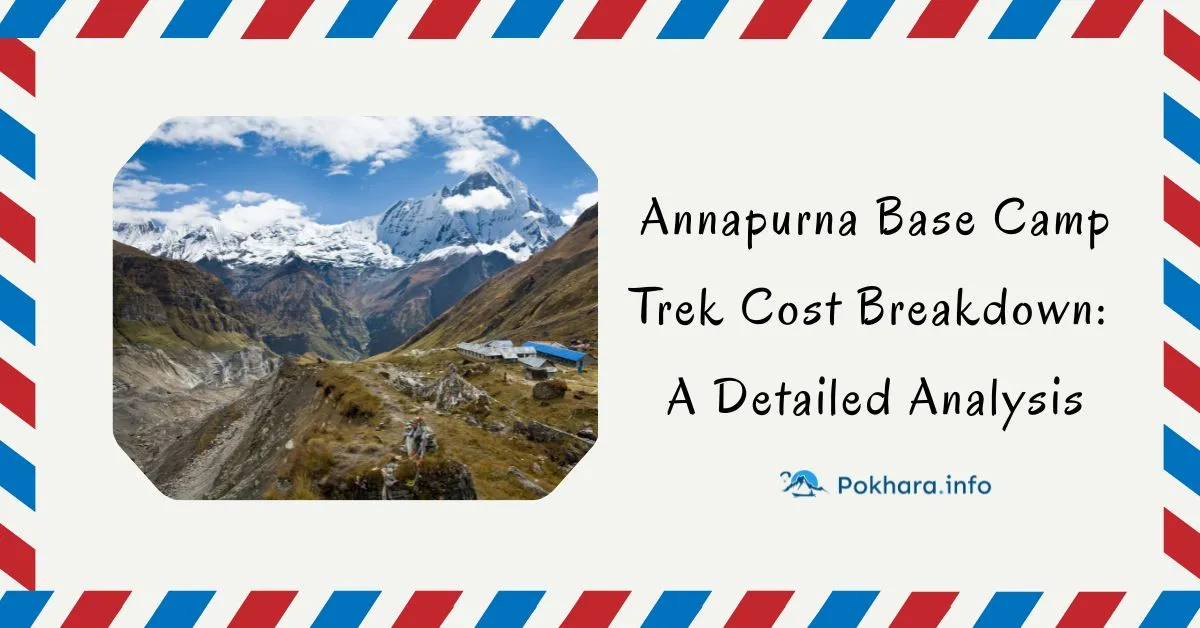
The Annapurna Base Camp (ABC) Trek is one of Nepal's most popular trekking routes, offering mountain scenery, cultural experiences, and moderate trekking difficulty. Understanding the complete cost breakdown, including permits, accommodation, food, transportation, guides, and insurance, helps trekkers plan effectively and avoid unexpected expenses.
Annapurna Base Camp Trek Cost: Trekking Permits and Fees
Trekking in the Annapurna region requires getting specific permits and paying fees for those permits. These permits are essential for both environmental conservation efforts and trekker safety.
Annapurna Conservation Area Permit (ACAP)
All adventure seekers trekking in the Annapurna region must have an Annapurna Conservation Area Permit (ACAP). The ACAP aims to conserve the natural biodiversity, culture, and heritage of the region. The cost of the ACAP varies for Nepali nationals, SAARC nationals, and foreign nationals.
For Nepali nationals: NPR 100 per person
For SAARC nationals: NPR 1,000 per person
For foreign nationals: NPR 3000 (USD 25-30) per person
Trekker's Information Management System (TIMS) Card
The Trekker's Information Management System (TIMS) card is another essential document for trekkers in Nepal. It helps in maintaining a database of trekkers for safety and security purposes. The TIMS card is available in two categories: Group TIMS and Individual TIMS.
Group TIMS (for group trekkers): NPR 300 per person
Individual TIMS (for individual trekkers): NPR 2,000 per person
Note: Before beginning the journey, it is recommended to confirm the most recent permit costs with the appropriate authorities or your trekking company.
Annapurna Base Camp Trek Cost: Accommodation
Accommodation during the Annapurna Base Camp trek plays a crucial role in ensuring trekkers' comfort and rest after long days of hiking. The trek offers two main types of accommodation: teahouses (lodges) and camping.
Teahouses (Lodges)
Teahouses offer trekkers basic amenities such as a bed, blanket, and shared bathroom facilities. On average, trekkers can expect to pay around USD 20 to USD 40 per night for a basic twin-sharing room in peak season or very remote locations.
Camping
Setting up camp in authorized camping areas requires bringing your camping supplies, such as tents and sleeping bags. Depending on the camping equipment leased or carried along, the typical cost of camping can range from USD 30 to USD 50 per night.
Regardless of the accommodation choice, trekkers are advised to carry a suitable sleeping bag for added warmth and comfort. It's also recommended to make reservations during peak trekking seasons to ensure availability, particularly in popular teahouse locations.
Annapurna Base Camp Trek Cost: Food and Water
Cost of Meals and Snacks at Teahouses
Meals at teahouses and restaurants along the Annapurna Base Camp trek are reasonably priced considering the remote location. Depending on the location and the cuisine, meal prices might vary slightly. Here's an approximate cost breakdown:
Breakfast: USD 5 to USD 10
Lunch: USD 7 to USD 12
Dinner: USD 8 to USD 15
Water Purification Options
Access to safe and clean drinking water is vital during the trek. Bring a reusable water bottle and a purification method to save money and reduce plastic waste
Water Purification Tablets: These tablets effectively purify water by killing harmful microorganisms.
Water Filters: Another effective technique for cleaning water from natural sources like streams and rivers is to use portable water filters.
Steripen or UV Purifiers: UV purifiers, like Steripen, use ultraviolet light to kill waterborne bacteria and viruses, ensuring safe drinking water in just a few seconds.
Trekkers can refill their water bottles from available water sources, such as streams and taps, without worrying about the quality. This technique not only saves money but also reduces environmental consequences by minimizing plastic waste.
Note: It's essential to stay well-hydrated during the trek to avoid altitude sickness and ensure optimal performance while hiking. At higher elevations, when dehydration is more likely, trekkers should strive to consume at least 3 to 4 liters of water a day.
Annapurna Base Camp Trek Cost: Trekking Gear and Equipment
The Annapurna Base Camp trek requires appropriate packing trekking gear and equipment to ensure comfort, safety, and a successful journey through the rugged Himalayan terrain. Here's a comprehensive list of essential trekking gear required for the trek, along with estimated prices for renting or purchasing the items:
Trekking Clothing
Moisture-wicking Base Layers: These include quick-drying t-shirts and long-sleeved shirts. (Estimated cost: USD 20 to USD 40 each)
Insulating Layer: A warm fleece or down jacket to provide insulation against cold temperatures. (Estimated cost: USD 60 to USD 100)
Waterproof and Windproof Jacket: A durable waterproof and windproof jacket to protect against rain and strong winds. (Estimated cost: USD 80 to USD 150)
Trekking Pants: Lightweight, quick-drying, and comfortable trekking pants. (Estimated cost: USD 30 to USD 60)
Trekking Shorts/Skirts: For warmer days and lower altitudes. (Estimated cost: USD 20 to USD 40)
Warm Hat and Gloves: To keep your head and hands warm during cold weather. (Estimated cost: USD 20 to USD 40 each)
Scarf: To protect against dust and cold winds. (Estimated cost: USD 10 to USD 20)
Trekking Socks: Moisture-wicking and cushioned socks to prevent blisters. (Estimated cost: USD 10 to USD 20 per pair)
Trekking Boots: Sturdy and comfortable waterproof boots with good ankle support. (Estimated cost: USD 80 to USD 150)
Backpack and Daypack
Trekking Backpack: A durable and waterproof backpack with a capacity of 50-70 liters to carry all essential gear and clothing. (Estimated cost: USD 80 to USD 150)
Daypack: A small daypack (20-30 liters) for carrying water, snacks, a camera, and other essentials during day hikes. (Estimated cost: USD 30 to USD 60)
Sleeping Gear
Sleeping Bag: A warm and lightweight sleeping bag suitable for cold temperatures. (Estimated cost: USD 80 to USD 150 for renting, USD 150 to USD 300 for purchasing)
Trekking Poles
Trekking Poles: Adjustable and lightweight trekking poles to reduce strain on knees and provide stability during descents. (Estimated cost: USD 30 to USD 60 each)
Other Essentials
Headlamp or Flashlight: For visibility during early morning or late-night treks. (Estimated cost: USD 20 to USD 40)
Sunglasses: To protect against harsh sunlight and snow glare. (Estimated cost: USD 20 to USD 40)
Water Bottles or Hydration System: To carry sufficient water during the trek. (Estimated cost: USD 10 to USD 30)
First Aid Kit: Including basic medications, bandages, and blister treatment. (Estimated cost: USD 20 to USD 40)
Toiletries: Including biodegradable soap, wet wipes, and hand sanitizer. (Estimated cost: USD 20 to USD 40)
Sunscreen and Lip Balm: To protect against sunburn and chapped lips. (Estimated cost: USD 10 to USD 20)
Note: Gear costs vary by brand and rental, but investing in quality equipment ensures safety and comfort
Annapurna Base Camp Trek Cost: Transportation
Reaching the starting point of the Annapurna Base Camp trek requires travelers to reach the city of Pokhara first. Pokhara serves as the main gateway to many trekking adventures in the Annapurna region, offering various transportation options.
Domestic Flights
Kathmandu to Pokhara Flight: Taking a domestic flight from Kathmandu to Pokhara is the fastest and most convenient option. The flight duration is approximately 25-30 minutes. Depending on the airline, the season, and the availability, a one-way flight ticket may cost from USD 100 to USD 200.
Private Vehicles
Private Car/Van: For a more comfortable and flexible journey, travelers can hire private cars or vans. The travel time is similar to that of tourist buses, but private vehicles offer the advantage of customized stops along the way. The cost of hiring a private car or van for a one-way trip can range from USD 100 to USD 200, depending on the vehicle and negotiation.
Micro Buses
Kathmandu to Pokhara Micro Bus: Micro buses are smaller than tourist buses and can be slightly faster due to fewer stops. They offer a more local experience of travel. The cost of a one-way microbus ticket ranges from USD 15 to USD 35.
Tourist Buses from Other Cities
Kathmandu to Pokhara Tourist Bus: Tourist buses are a popular and economical choice for travelers. It can take 6 to 8 hours to go to Pokhara from Kathmandu because the Prithvi Highway continues to be constructed. The cost of a one-way tourist bus ticket varies between USD 10 and USD 30.
Lumbini to Pokhara Tourist Bus: Travelers coming from Lumbini (the birthplace of Buddha) can take a tourist bus to Pokhara. One-way trip from Lumbini to Pokhara might cost you from USD 15 to USD 30, and depending on traffic, it can take 6 to 8 hours to reach Pokhara Valley.
Chitwan to Pokhara Tourist Bus: Those visiting Chitwan National Park can take a tourist bus to Pokhara, which takes about 4-6 hours. While talking about travel costs from Chitwan to Pokhara, it might cost you between USD 10 and USD 25.
Local Buses
Local Buses: Local buses are the most budget-friendly option, but they may take longer due to frequent stops and crowded conditions. They offer an authentic experience of traveling like the locals. The cost of a local bus trip one way can range from $5 to $15.
Note: Transportation costs vary by season and vehicle type. Booking ahead is recommended
Annapurna Base Camp Trek Cost: Guide and Porter Fees
Average Costs and Tipping Etiquette for Guides and Porters
The cost of hiring a guide for the Annapurna Base Camp trek can vary based on experience, language proficiency, services provided, and trek duration. On average, a licensed guide may charge approximately USD 25 to USD 35 per day.
Porter fees depend on the weight they carry and the trek duration. On average, a porter may charge approximately USD 15 to USD 25 per day.
Tipping Etiquette for Guides: Tipping is a customary practice in Nepal to show appreciation for good service. While it is not mandatory, it is a thoughtful gesture to tip your guide at the end of the trek. A recommended tip is around USD 5 to USD 10 per day per guide, depending on their level of service.
Tipping Etiquette for Porters: Tipping porters is also a considerate gesture. An appropriate tip for a porter is around USD 3 to USD 5 per day, per porter, as an acknowledgment of their hard work and dedication.
Note: It's important to ensure that guides and porters receive fair wages and proper treatment. Hiring from a reputable trekking agency or cooperative that follows ethical practices is recommended.
Additional Expenses
Trekkers should be prepared for various miscellaneous expenses during the Annapurna Base Camp trek. These additional expenses may arise from various sources, including extra activities and unexpected needs.
Here are some common miscellaneous expenses to consider:
Hot Showers: While some teahouses offer hot showers, they usually come at an additional cost. The cost of a hot shower ranges between USD 2 and USD 5 per usage. Also, keep in mind that a higher elevation might impact the cost variation.
Battery Charging and Electronics: Charging electronic devices, such as cameras, phones, and power banks, may incur a small fee at teahouses or lodges. The cost for battery charging typically ranges from USD 2 to USD 5 per device.
Wi-Fi and Internet Access: Wi-Fi and Internet facilities are available at some teahouses, but there may be a fee for usage. The cost for Wi-Fi access can range from USD 2 to USD 5 per hour or as a daily package.
Snacks and Drinks: On the ABC Trek journey, Hikers can purchase food, energy bars, chocolates, or drinks such as bottled water, soda, or alcoholic beverages. The cost of these things may vary, so budget $5 to $10 each day for snacks and drinks.
Personal Medications: If trekkers require specific medications or first aid supplies, they should allocate funds for purchasing these items before starting the trek. Prices can vary based on individual needs.
Trekking Gear and Equipment Rental: For trekkers who prefer to rent trekking gear and equipment instead of purchasing them, rental costs should be considered. The rental price will depend on the type and duration of the gear rented.
Unexpected Expenses: It's always prudent to have some emergency funds set aside for unexpected expenses, such as medical needs, unplanned rest days due to weather conditions, or unforeseen circumstances.
Annapurna Base Camp Trek Cost: Travel Insurance and Medical Expenses
Coverage Details for Trek-Related Injuries or Illnesses
A robust travel insurance policy for trekking in Nepal should include the following coverage details:
Medical Expenses: Coverage for medical expenses, including doctor consultations, hospitalization, medications, and treatment for trek-related injuries or illnesses.
Emergency Evacuation and Repatriation: Coverage for emergency helicopter evacuation or rescue from remote areas in case of severe injuries or life-threatening conditions.
High-Altitude Sickness: Coverage for medical treatment and evacuation in case of altitude sickness-related illnesses, such as Acute Mountain Sickness (AMS), High-Altitude Pulmonary Edema (HAPE), or High-Altitude Cerebral Edema (HACE).
Trip Cancellation or Interruption: Coverage for trip cancellation or interruption due to unforeseen circumstances, such as flight cancellations, natural disasters, or personal emergencies.
Lost or Delayed Baggage: Coverage for the loss, theft, or delayed arrival of baggage, including trekking gear and essential items.
Emergency Dental Care: Coverage for emergency dental treatment in case of dental issues during the trek.
Personal Liability: Coverage for legal expenses and compensation in case of accidental damage or injury caused to others during the trek.
Budgeting for Medical Expenses and Emergency Evacuation
When budgeting for the Annapurna Base Camp trek, allocating funds for travel insurance and potential medical expenses is crucial. Depending on the coverage limitations, length of the journey, age of the traveler, and the insurance company, travel insurance prices might shift.
On average, trekking travel insurance can cost between USD 50 and USD 150 for a two-week trek in Nepal.
It's also crucial to take emergency evacuation costs into account, which in isolated mountain areas might be high. The price of a helicopter rescue or evacuation may range from USD 5,000 to USD 10,000, depending on the circumstances and location.
Cost-Saving Tips and Strategies
Trekking in the Annapurna region can be an enriching experience without breaking the bank. With some smart planning and budget-conscious choices, trekkers can minimize expenses while ensuring their safety and enjoyment.
Here are some cost-saving tips and strategies to consider:
Trek in the Off-Season: Choosing to trek during the off-season (monsoon and winter months) can lead to cost savings on accommodation and permits. However, be prepared for possible weather challenges and limited services during these periods.
Join Group Treks: Joining a group trek can help share the cost of guides, permits, and transportation. Many trekking agencies offer group packages, making them more budget-friendly for solo or small-group travelers.
Be Self-Sufficient with Water and Snacks: Rather than purchasing bottled water and snacks at teahouses, bring a reusable water bottle and water purification tablets or filters to refill at water sources along the trail. Packing your snacks can also save money.
Share Accommodation and Meals: Sharing accommodation with fellow trekkers in teahouses can reduce room costs. Additionally, many teahouses offer large portions of meals that can be shared, further lowering expenses.
Bargain and Negotiate Prices: When renting trekking gear, hiring guides, or booking transportation, don't hesitate to negotiate prices. However, always confirm that quality and safety are not compromised in the process.
Carry Essential Items: Pack essential items like trekking poles, a reusable water bottle, and a basic first aid kit from home to avoid buying or renting them on the trail.
Choose Teahouses Wisely: Teahouse prices can vary along the trek. Opt for teahouses that offer clean and comfortable rooms at reasonable rates. Be mindful of any hidden charges and clarify prices upfront.
Consider Self-Guided Treks: Experienced trekkers with good navigation skills may opt for self-guided treks, eliminating the cost of hiring a guide. However, ensure that you are well-prepared and have reliable trekking maps and information.
Explore Alternative Routes and Shorter Treks: Consider alternative routes or shorter treks in the Annapurna region, such as the Ghorepani Poon Hill trek or Ghandruk trek. These treks offer stunning views and cultural experiences at a fraction of the cost and duration.
Support the Local Economy: Purchase meals and souvenirs from locally-owned teahouses and shops. Supporting the local economy helps sustain the communities and ensures a more authentic experience.
Plan a Hybrid Trek: Opt for a combination of teahouse stays and camping. Camping allows for cost savings on accommodation, and teahouse stays provide comfort and social interaction.
FAQs
1. What is the total cost estimate for the Annapurna Base Camp Trek?
The total cost varies depending on factors such as trek duration, accommodation choices, permits, guide/porter fees, and additional expenses. On average, budget around USD 800 to USD 1200 for a 10-15 day trek.
2. Is it possible to do the ABC trek without a guide or porter?
Yes, experienced trekkers can do the trek independently. However, hiring a guide or porter is recommended for safety, local expertise, and comfort.
3. Are there any hidden costs that trekkers should be aware of?
Some teahouses may charge extra for hot showers, Wi-Fi, or electronic charging. Clarify prices beforehand to avoid surprises.
4. What are the visa requirements for trekking in Nepal?
Most nationalities can obtain a visa on arrival at Kathmandu airport. A 15-day tourist visa costs USD 30.
5. Are there ATMs or money exchange facilities along the ABC trail?
ATMs are available in Pokhara and some larger villages. Carry enough cash before starting the trek.
6. Is altitude sickness common, and how can I avoid it?
Altitude sickness is possible. Acclimatize gradually, hydrate, and ascend slowly. Listen to your body and seek medical attention if needed.