
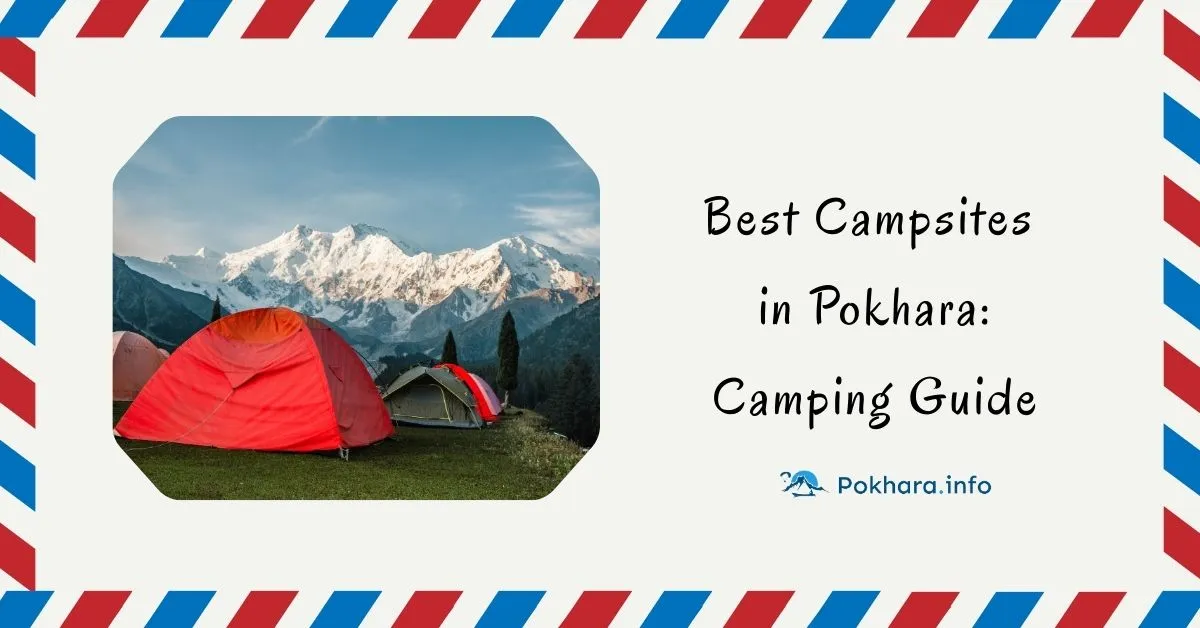
Pokhara is one of Nepal's top destinations for camping, offering a rare combination of serene lakes, Himalayan mountain views, and accessible trekking routes. Located in the foothills of the Annapurna range, Pokhara provides diverse camping experiences, from peaceful lakeside camps near Phewa and Begnas Lake to high-altitude mountain camps and secluded forest retreats.
This guide covers the best campsites in Pokhara, ideal camping seasons, what to pack, and practical tips to help you plan a safe and memorable camping experience in 2025.
Best Campsites in Pokhara
Dhampus Village
Situated atop a hill at 1,650 meters, Dhampus Villageoffers a serene environment just 25 kilometers from Pokhara. The majority Gurung population provides insights into their culture and way of life. Dhampus is an ideal destination for a relaxed camping trip during the hot summer months.
Australian Camp
Perched at 2,060 meters, Australian Base Campprovides a breathtaking sunrise over the Annapurna range. Camping accommodation is available in hotels, or you can bring your gear. Campfires are popular here and can enhance the experience on this mountaintop.
Begnas Lake
Found in the southeast corner of the Pokhara Valley, Begnas Lake is approximately 16 kilometers from the city's hustle and bustle. Resorts, lodges, and homestays line the lake, with Majhikuna being a favored spot for night camping. Birdwatching, fishing, and boating activities enrich the lakeside camping experience.
Rupakot Village
Approximately 20 kilometers from Pokhara, Rupakot Village offers hiking, sunrise and sunset views, and mountain hiking. Embracing ecotourism, agrotourism, and sustainable tourism, the village provides local organic cuisine. An ideal spot for meditation and yoga amidst nature.
Nirmal Pokhari Village
Located 10 kilometers south of Pokhara, Nirmal Pokhari village is renowned for its orange production. Perfect for camping with picturesque views and opportunities for hiking. A great option for those wanting a taste of Nepal's everyday farming and community life.
Kaskikot
Nestled in the hills surrounding Pokhara, Kaskikot offers a tranquil escape with panoramic views of the Annapurna range and Phewa Lake. Kaskikot is also known for cultural richness, traditional Newari architecture, and warm hospitality. This destination is ideal for camping with a touch of cultural and historic immersion.
Sikles Village
A Gurung village near Pokhara, Sikles, offers rural tourism and a typical cultural experience. The second-largest Gurung settlement in Nepal, the village is reachable by bus, private vehicle, or trek. Sikles is favored for overnight stays in the Annapurna Region, offering magnificent views and the option for homestays and fire camps.
Nau Danda
Approximately 20 kilometers from Pokhara, Nau Danda provides a 360-degree vista of the Pokhara valley. Accessible by bus or trek via Sarangkot, it is a spot for witnessing sunrise, sunset, landscapes, cityscapes, and mountains all in one location. Local lodges offer a night's stay with fire camps and local dishes.
Types of Camping in Pokhara
In Pokhara's enchanting landscape, a variety of camping experiences await. From peaceful lakeside retreats and adrenaline-fueled mountain camps to the secluded charm of forest camping, each option caters to different desires and expectations.
Pokhara offers several types of camping experiences depending on location, comfort level, and adventure preference.
Tent Camping: Tent camping provides a traditional, back-to-basics experience, where nature's sounds become your lullaby as you set up a temporary home under the open sky.
Glamping: Glamping in Pokhara combines adventure with comfort, featuring cozy beds, ambient lighting, and gourmet meals while keeping you close to nature.
Lakeside Camping: Lakeside camping at Phewa or Begnas Lake offers tranquility, allowing you to wake up to gentle water sounds and beautiful sunrise views.
Mountain Camping: Mountain camping attracts daredevils and nature lovers, offering breathtaking views and rugged terrain in the Annapurna foothills, perfect for explorers.
Forest Camping: Forest camping connects you deeply with nature, surrounded by lush greenery and vibrant wildlife sounds, providing a secluded experience.
Highlights of Camping in Pokhara
Camping in Pokhara celebrates natural wonders, cultural richness, and adventure. As you pitch your tent in this Himalayan haven, prepare to be captivated by its unique highlights.
Discover Flora and Fauna: Camping grounds unveil a rich biodiversity, showcasing vibrant birds and wildlife. In spring, the landscape transforms with rhododendrons and other flowers, creating a colorful spectacle.
Mountain Views: Pokhara, nestled near the Annapurna Mountain Range, offers breathtaking views of iconic peaks like Machhapuchhre, Annapurna, and Dhaulagiri. These mountains shine especially during sunrises and sunsets, creating unforgettable memories.
Adventure Opportunities: The area serves as a gateway for thrilling trekking routes, merging camping with exploration. This fusion allows adventurers to immerse themselves in nature.
Peaceful Break: Amid tranquil surroundings and fresh mountain air, camping becomes a sanctuary, offering a peaceful escape from daily stresses and rejuvenating the mind and spirit.
Community Interaction: Engaging with local communities enriches the camping experience, providing insights into their lifestyles, traditions, and stories, fostering a deeper connection with Pokhara's beauty.
Let the allure of Pokhara unfold as you discover its breathtaking camping gems.
Best Time to Camp in Pokhara
The best months for camping in Pokhara are March to May and September to November, when the weather is stable, skies are clear, and temperatures are comfortable for outdoor activities.
Ideal Camping Months: Camping near Pokhara is possible year-round, but timing is crucial. It's best to avoid monsoon months, June, July, and August, when heavy rainfall can hinder the experience.
Weather Considerations: December to February can also be too chilly for overnight camping, as temperatures drop significantly. The ideal months for camping are from March to May and September to November, when warm sunny days and refreshing nights create a perfect outdoor setting.
Planning Tips: To optimize your camping trip, plan meticulously. Research your chosen camping site to ensure it meets your preferences. Checking the weather forecast ahead of time will also help prepare for your adventure, maximizing your enjoyment in Pokhara.
Tips for Camping in Pokhara Valley
Camping in Pokhara Valley is not just about setting up a tent; it is about immersing yourself in nature responsibly. To ensure a successful and harmonious camping trip, consider these practical tips:
Respect for Nature
Stay on Designated Trails: Stick to established paths to minimize impact on the ecosystem.
Avoid Disturbing Wildlife: Observe from a distance, keep noise levels low, and do not disturb local fauna.
Leave No Trace: Follow Leave No Trace principles by packing out waste, minimizing campfire impact, and leaving natural and cultural features undisturbed.
Safety Measures
Inform Others: Let friends or family know your camping plans, including destination and expected return time.
Emergency Supplies: Carry a first aid kit, sufficient water, and emergency supplies for unforeseen circumstances.
Weather Awareness: Stay informed about weather conditions, especially in mountainous areas where changes occur rapidly.
Wildlife Interactions
Observe from Afar: Enjoy wildlife without approaching or feeding them, as this disrupts their natural behaviors.
Secure Food Storage: Keep food stored securely to avoid attracting wildlife to your campsite.
Designated Areas: Camp in designated sites to minimize impact on wildlife habitats.
What Camping Equipment and Gear Do You Need?
When embarking on a camping expedition in Pokhara, selecting the right gear is vital for an enjoyable experience. Below is a comprehensive list tailored for the diverse environments you may encounter.
Category | Essential Gear |
Shelter | Tent, ground tarp, sleeping bag (appropriate for the season), sleeping pad, tent stakes |
Cooking Equipment | Portable stove, fuel, cooking pot, utensils, cooler, plates, cups, and biodegradable soap |
Clothing | Weather-appropriate clothing (layers for warmth), moisture-wicking socks, sturdy hiking boots, rain gear |
Safety and First Aid | First-aid kit, multi-tool, whistle, flashlight/headlamp, extra batteries, insect repellent |
Navigation | Map of the area, compass, GPS device, or app |
Hygiene Supplies | Biodegradable toiletries, travel towel, toilet paper, trash bags |
Food and Hydration | Non-perishable food, water bottles or hydration system, water purification tablets |
Miscellaneous Gear | Camping chair, backpack, rope or cord, fire starter, pocket knife |
What to Wear During Camping in Pokhara Valley?
Choosing the right clothing is essential for a comfortable and enjoyable camping experience in the diverse weather conditions of Pokhara Valley. Here's a guide on what to wear for various environments:
Condition | Recommended Clothing |
Warm Days | Lightweight, moisture-wicking shirts, shorts, or breathable pants, a wide-brimmed hat for sun protection |
Chilly Nights | Insulating layers like fleece or down jackets, long sleeves, thermal base layers, and warm socks |
Rainy Weather | Waterproof jacket, quick-drying pants, and a rain cover for your backpack |
Mountain Hiking | Sturdy hiking boots, ankle support footwear, breathable socks, and long pants to protect against brush |
Layering System | Base layers (thermal tops and bottoms), mid-layers (fleece or insulation), outer layers (waterproof/windproof jackets) |
Camping in Pokhara offers one of the most diverse outdoor experiences in Nepal, blending lakes, mountains, culture, and adventure. With the right planning and timing, Pokhara's campsites provide unforgettable moments in every season.
FAQs
1. Is camping in Pokhara legal?
Yes, camping is allowed in designated areas and villages around Pokhara. Permission may be required in community-managed or protected areas.
2. Is camping in Pokhara suitable for all seasons?
While camping is possible year-round, it is advisable to avoid monsoon months (June to August) due to heavy rainfall. And, December to February can be chilly. The rest of the months offer ideal weather conditions for camping.
3. Are there facilities for renting camping gear in Pokhara?
Yes, the Lakeside area has several rental shops where you can find camping equipment, including tents, sleeping bags, and other essential gear.
4. Can I camp near Pokhara's trekking trails?
Yes, Pokhara serves as a gateway to various trekking trails, and camping can be added to your trekking adventure.
5. What clothing should I pack for camping in Pokhara?
Pack layers for varying temperatures, including a waterproof jacket. Sturdy hiking boots, comfortable clothing, and a hat are advisable. Finally, don't forget to check the weather forecast for your chosen camping dates.
6. Are there family-friendly campsites in Pokhara?
Yes, Pokhara offers family-friendly campsites with facilities suitable for children. Lakeside areas and the Australian Base Camp provide a tranquil environment for families to enjoy nature together.
7. Can I engage in water activities near Pokhara's campsites?
Certainly! Campsites near lakes, such as Phewa and Begnas, often offer opportunities for boating, fishing, and other water activities. Be sure to check with the specific campsite for available amenities.