
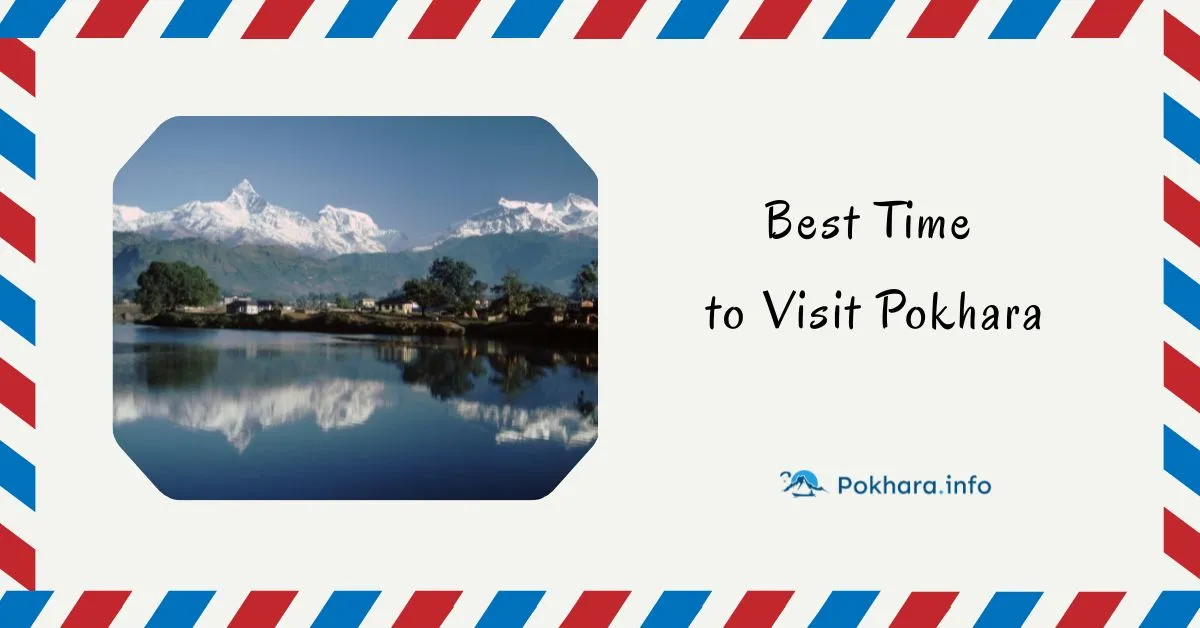
Nestled in the Kaski District of Gandaki province, against the backdrop of the majestic Himalayas, Pokhara emerges as a gem in the heart of Nepal. Pokhara, often referred to as the "Gateway to the Annapurna Circuit", holds immense cultural and natural significance.
This enchanting city holds profound significance, not just for its breathtaking landscapes but also for the range of experiences it offers to its visitors with varying best time to visit.
It serves as a starting point for treks and adventure, offering a gateway to the ethereal beauty of the Annapurna mountain range. The city is rich in serene lakes, the most famous being Phewa Lake, where the clear waters mirror the snow-capped peaks, creating a picture-perfect setting.
Pokhara is not just a feast for the eyes, it is also a playground for the adventurous soul. So, Brace yourself for an array of heart-pounding activities such as paragliding, bungee jumps, a boat ride, and more sports in this beautiful valley.
Best Time to Visit Pokhara
Selecting the optimal time for your visit to Pokhara is important for crafting an enriching and enjoyable experience. The timing of your trip not only influences the weather but also matches the range of activities available, making it a key consideration for any traveler.
The best months to explore Pokhara are March to May and September to November, which coincide with the peak tourist season. During these months, the weather is at its best, offering a delightful mix of pleasant temperatures and clear skies.
Importantly, these seasons do not witness rainfall, providing an ideal setting for outdoor adventure activities such as trekking and hiking in the nearby Manang, Mustang, and Annapurna regions.
Best Month to Visit Pokhara for Trekking
The autumn season, from September to November, stands out as the prime time for trekking around Pokhara. This period offers optimal conditions characterized by better visibility of stunning mountains, excellent weather, and vibrant green hills.
Daytime temperatures hover around 20 degrees Celsius, creating mild and warm days, while nights cool down to approximately 5 degrees Celsius.
Spring, from March to May, is another exceptional trekking season. As nature awakens, trekkers are treated to blooming flora and fauna, showcasing the vibrant colors of the landscape.
The temperature during the day ranges from pleasantly warm to cool in the evenings, creating an inviting environment for outdoor enthusiasts.
Selecting the season for trekking plays a crucial role in shaping a memorable hiking experience. The combination of excellent weather, mildly warm days, and a clear view of the mountains and sky make both autumn and spring the ideal times for trekking around Pokhara.
Best Month to Visit Pokhara, Nepal for Rafting
The prime seasons for white-water rafting near Pokhara are from September to November and March to June. The rivers offer optimal conditions for an exciting and safe rafting experience during these periods.
Rafting is practiced in Seti River which is also ideal for beginners. However, it is crucial to note that attempting rafting during the monsoon season is discouraged due to excessively high river levels.
From December to February, the rivers become too cold for an enjoyable experience.
Therefore, to experience the rush of white-water rafting near Pokhara, plan your visit from September to November and March to June. This ensures the thrill of navigating the rapids and a safe and enjoyable rafting escapade amidst the region's stunning natural beauty.
Best Time to Visit Pokhara for Paragliding
Paragliding in Pokhara is a soaring adventure that unveils stunning views of Phewa Lake and surrounding landscapes. Choosing the right time is vital for an optimal paragliding experience.
The best paragliding seasons in Pokhara are March, April, May, September, October, and November. These months offer clear views of Phewa Lake.
Sarangkot is a sought-after spot. Paragliding is practiced during all seasons except the rainy season, with November and December being particularly famous.
Best Month to Visit Pokhara, Nepal for Bungee
The prime months for bungee jumping in Pokhara span from March to May and September to November. During these windows, the weather in Nepal remains reliably dry and pleasant, providing the perfect conditions for an unforgettable bungee jumping adventure.
Opting for these months ensures not only the thrill of the jump but also a safer and more enjoyable escapade against the stunning backdrop of Pokhara's landscapes.
Best Time to Visit Pokhara for Boating in Fewa Lake
The prime time for boating in Pokhara Lakeside is during the winter months, from October to February. This period offers an unparalleled experience as the skies remain clear, and the mountains cast their majestic shadows upon the crystal-clear waters of the lakes.
While winter is considered the optimal season, boating is a cherished activity throughout the year in Pokhara. However, it is important to note that monsoon months pose a little danger for boating due to unpredictable weather conditions.
During other times of the year, the Lakeside beckons with its calm waters and breathtaking surroundings, providing an ideal setting for a leisurely boat ride.
Best Time to Visit Pokhara for Ultralight Flight
Ultralight flight in Nepal is only possible in Pokhara and presents a one-of-a-kind opportunity for aerial sightseeing. These flights utilize lightweight aircraft with no windows, providing an intimate setting for two individuals; a pilot and a passenger.
The optimal time to experience ultralight flights in Pokhara spans from September to May. During these months, the weather conditions are favorable, offering clear skies and stunning visibility.
This period ensures that passengers can fully appreciate the aerial views of beautiful Pokhara and the Himalayan backdrop, including the magnificent Annapurna massif.
Best Time to Visit Pokhara for Canyoning
Lwang Ghalel is popular for canyoning in Pokhara. Here, participants can immerse themselves in the thrill of navigating two waterfalls with heights of 45 and 75 meters, respectively.
The perfect time for Canyoning is from March to September. During these months the water flow in the springs rises, creating an ideal environment for this adventurous pursuit.
The rising water flow during these months transforms canyoning into an adrenaline-pumping adventure. The rapid waterfalls offer a dynamic and thrilling backdrop for participants, creating an exhilarating journey through the canyons of Pokhara.
Average Weather of Pokhara City
January Weather in Pokhara
Day Temperature: 17 degree Celsius
Night Temperature: 6 degree Celsius, chilly evenings.
January is tourist season providing opportunities for unique experiences. January in Pokhara signifies a shift in weather, welcoming visitors to cool temperatures and the promise of adventure amidst a serene setting.
February Weather in Pokhara
Day Temperature: 19 degree Celsius
Night Temperature: On the ascent, promising milder nights.
February maintains a dry spell in Pokhara, inviting tourists to explore its wonders as temperatures gradually begin to warm.
March Weather in Pokhara
Day Temperature: 25 degree Celsius
Night Temperature: 11 degree Celsius
Rainfall: 48 mm (1.88 in), and an increase in rainy days.
Tourist season continues, with the emergence of more sun hours. As March unfolds, Pokhara experiences a surge in temperature, calling tourists to enjoy the vibrant ambiance and cultural richness.
April Weather in Pokhara
Day Temperature: 28 degree Celsius
Night Temperature: 15 degree Celsius
Rainfall: 71 mm (2.81 in), maintaining the tourist season.
April in Pokhara reaches its peak in terms of temperature and sunlight, creating an inviting atmosphere for travelers.
May Weather in Pokhara
Maximum Day Temperature: 30 degree Celsius
Night Temperature: 18 degree Celsius (65 degree Fahrenheit)
Rainfall: 223 mm (8.79 in), with 7 rainy days.
May in Pokhara offers the warmth of summer but also marks the beginning of increased rainfall, adding a touch of green to the landscape.
June Weather in Pokhara
Day Temperature: 29 degree Celsius
Maximum Night Temperature: 20 degree Celsius
Rainfall: 354 mm (13.94 in), with 13 rainy days.
Sun hours reduce to 6 hours, signaling the onset of the wet season.June marks the wet season in Pokhara, with decreasing sun hours and an increase in rainfall.
July Weather in Pokhara
Day Temperature: 27 degree Celsius
Maximum Rainfall in July: The wet season is in full swing.
Minimum Sun Hours: 4 hours, marking the peak of the rainy season.
July in Pokhara is also the wet season, characterized by descending temperatures and increased rainfall.
August Weather in Pokhara
Rainfall Amount: 505 mm (19.90 in).
Humidity: 82%, reaching its maximum.
August witnesses a gradual decrease in rainfall and the beginning of the decline in humidity, signaling the end of the wet season.
September Weather in Pokhara
Day Temperature: 26 degree Celsius
Night Temperature: 18 degree Celsius
Rainfall: 354 mm (13.94 in), with 13 rainy days.
Sun Hours: 5 hours, signaling the start of a weather transition.
September in Pokhara marks the conclusion of the wet season, with temperatures and rainfall gradually decreasing.
October Weather in Pokhara
Day Temperature: 25 degree Celsius
Night Temperature: 15 degree Celsius
Rainfall: 71 mm (2.81 in)
October weather in Pokhara brings cooler temperatures and a sense of crispness to the air. The decreasing rainfall and cooler evenings make it an ideal time for tourists seeking a balance between adventure and tranquility.
November Weather in Pokhara
Day Temperature: 22 degree Celsius
Night Temperature: 10 degree Celsius
Tourist season peaks, offering an enchanting experience amid comfortable temperatures.
November unfolds with a serene ambiance, making Pokhara a perfect destination for those who enjoy cooler weather and a touch of cultural richness. The minimal to no rainfall adds to the charm, creating an atmosphere conducive to exploration.
December Weather in Pokhara
Day Temperature: 18 degree Celsius
Night Temperature: 7 degree Celsius
In summary, each month in Pokhara brings distinct weather patterns, offering a diverse experience for travelers. Whether you prefer the warmth of summer, the refreshing monsoons, or the coolness of winter, Pokhara has something to offer throughout the year.