
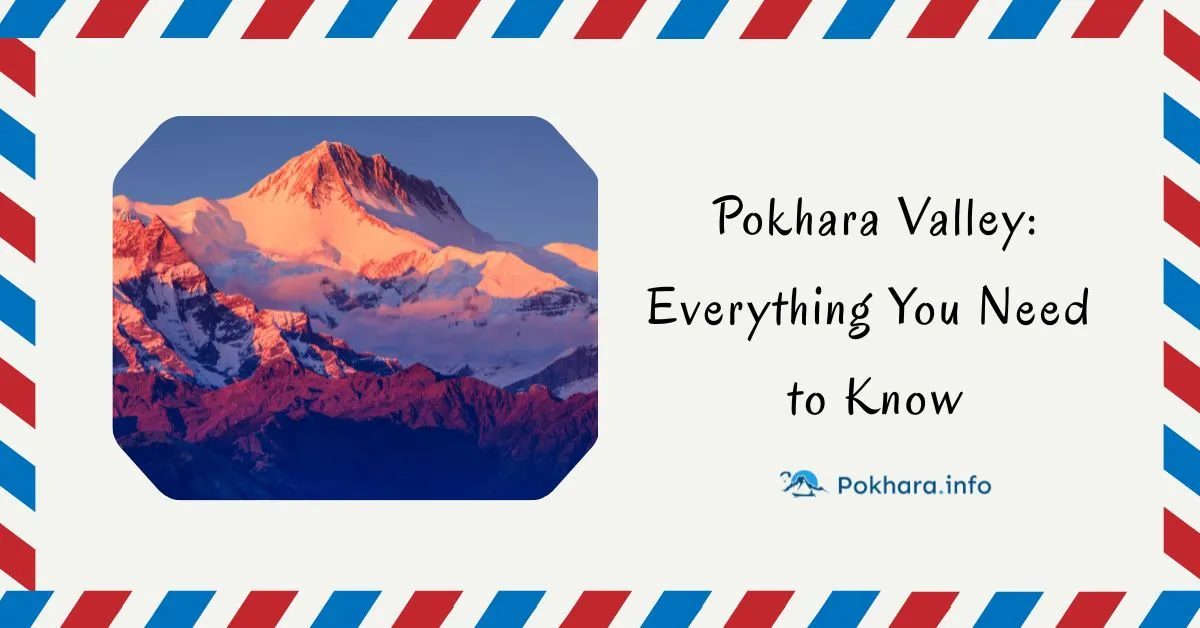
Situated in the Gandaki Pradesh of Nepal, Pokhara is a heaven for adventurers and nature and culture enthusiasts. This city is the definition of beauty due to the tranquil shores of Phewa Lake and the awe-inspiring views of the Annapurna and Dhaulagiri mountain ranges.
This enchanting city is also known as the "Gateway to the Annapurna Circuit", with its unparalleled natural beauty and rich cultural tapestry.
Facts about Pokhara
District: Kaski
Area: 464.2 km2
Elevation: 1,400 m
Population: Approximately 475,000+
Province: Gandaki Pradesh
This guide covers Pokhara Valley's geography, history, culture, weather patterns, major tourist attractions, festivals, trekking routes, and travel logistics to help visitors understand why Pokhara is one of Nepal's most important destinations.
History of Pokhara
Geological and Ancient Foundations
Catastrophic Origin: Geologists believe the valley was formed approximately 10,000 years ago by a massive debris flow from the Annapurna and Machhapuchhre ranges.
Medieval Events: Radiocarbon dating indicates that at least three large earthquakes (1000, 1255, and 1344 AD) and megafloods shaped the current topography.
Etymology: The name is derived from the Nepali word "Pokhari", meaning "pond", due to the numerous lakes in the valley.
Early Settlements & Trade (Pre-18th Century)
Strategic Location: Pokhara Valley was a crucial stop on trade routes, facilitating the exchange of goods like salt and wool.
First Settlements: Early inhabitants included Khas, Gurungs, Magars, and Thakuris. The first king of Kaski, Kulamandan Shah, established a winter capital at Batulechaur in the 14th century.
Kingdom of Kaski & Unification (18th Century)
Chaubisi Rajya: Pokhara was part of the Chaubisi Rajya (24 small kingdoms).
Integration into Nepal: Pokhara became part of Prithvi Narayan Shah's unified Nepal in 1786.
Newar Migration: In the mid-18th century, the King of Kaski invited Newar families from Bhaktapur to develop the town's commercial market, which today survives as the "Old Bazaar".
The Gurkha and Tibetan Influence
Gurkha Recruitment: Following the Anglo-Nepalese War (1814-1816), the British established a recruitment camp in Pokhara. It remains a major hub for elite Gurkha soldiers to this day.
Tibetan Influx: Between 1959 and 1962, thousands of Tibetan refugees arrived after China's annexation of Tibet. Four permanent settlements (Jampaling, Paljorling, Tashi Ling, and Tashi Palkhel) were established, making Tibetans a visible cultural minority.
Modern Development and Tourism
Opening to the World: Until the late 1960s, Pokhara was accessible only by foot or air. The completion of the Siddhartha Highway in 1968 connected it to the rest of Nepal and catalyzed rapid growth.
Tourism Capital: By the 1990s, urbanization shifted the economy from agriculture to services. In 2024, the government officially declared Pokhara the Tourism Capital of Nepal.
Adventure Gateway: Today, the city is globally recognized as the gateway to the Annapurna Circuit and a hub for paragliding and mountaineering.
Pokhara's Culture
With a population of approximately 476,000 people, this beautiful city is the epitome of Nepal's cultural diversity.
One of the defining features of Pokhara Valley is its ethnicity. The city is home to many ethnic groups, such as Gurungs, Magars, Newars, Brahmins, Chhetris, and more. These diverse backgrounds fuse to create a harmonious blend of customs, traditions, and languages.
Among various ethnic groups, the Gurungs have a significant presence in the city. They are known for their rich cultural heritage, including unique dance forms, songs, and festivals. Visitors often have the opportunity to witness these cultural manifestations, adding depth to their travel experiences.
Administrative Divisions of Pokhara Valley
Pokhara-Lekhnath Metropolitan City is divided into 33 wards, each of which has a significant role in a local administrative unit. These wards are responsible for providing various essential services to residents and ensuring local development.
They play a vital role in urban planning, infrastructure development, and public service delivery. These administrative divisions play a major role in the preservation and promotion of the cultural heritage and traditions of the city.
How to Get to Pokhara?
Navigating your way is an essential part of the adventure. Here is a comprehensive guide on how to get to Pokhara from two key starting points: Kathmandu and Sonauli.
From Kathmandu
The journey to Pokhara begins at the Tribhuvan International Airport in Kathmandu, a bustling hub that connects you to the Pokhara International Airport.
The flight from Kathmandu to Pokhara is a short yet sensational experience, lasting approximately 25 to 30 minutes. During the flight, you can observe the views of diverse landscapes, lush hills, and the iconic Himalayan peaks of Nepal.
If you prefer the roadway, the trip starts from Kathmandu, following the Prithvi Highway. The journey by road takes approximately 6 to 7 hours, depending on traffic and weather conditions.
The total road distance from Kathmandu to Pokhara is 200 kilometers. Talking about the mode of transportation, public buses, tourist buses, private cars, and jeeps are easily available for the journey to Pokhara.
From Sunauli
If you want to fly from Sunauli, the journey involves transit through key airport connections to Pokhara. You can fly from your city in India to Kathmandu and take another flight to Pokhara.
You can drive about 10km from Sunauli to Gautam Buddha Airport, Bhairahawa, to take another flight to Pokhara. The flight duration from Bhairahawa to Pokhara is 30-35 minutes.
A road trip from Sunauli to Pokhara promises scenic views and a taste of the Nepalese countryside. The highway journey allows travelers to witness the changing landscapes and soak in the beauty of the region.
There are two major roadways to get to Pokhara, the Siddhartha Highway and the Mahendra Highway.
The Siddhartha Highway road trip takes approximately 7 hours, offering a leisurely pace to enjoy the journey. The distance of the road trip from Sonauli to Pokhara via Siddhartha Highway is about 188 kilometers.
Another route that connects Sunauli to Pokhara is the Mahendra Highway, which passes through Narayangarh and Mugling. If you choose this route to travel, it takes about 8-9 hours. You can choose either route to travel at your convenience.
Just like the Kathmandu route, travelers from Sunauli can choose various modes of transportation, such as bus, private vehicle, or taxi.
Weather in Pokhara Valley
Understanding the weather patterns can help you plan your trip accordingly, ensuring an enjoyable and comfortable experience. This picturesque city in Nepal experiences a diverse range of climates throughout the year, making it a year-round destination for travelers with varying tastes.
Seasonal Variation
The climate of Pokhara Valley is characterized by four distinct seasons, each offering a unique experience for visitors.
Spring (March to May): Spring is a wonderful time to visit the valley, characterized by moderate weather and vibrant blooms that create stunning landscapes.
Summer (June to August): Summer brings warm, humid days and the monsoon season, leading to heavy rainfall that enhances the city's greenery but may limit visibility for trekking.
Autumn (September to November): Autumn is one of the best times to explore Pokhara Valley, with clear, pleasant weather ideal for trekking and breathtaking mountain views.
Winter (December to February): Winters are cold, with brisk days and chilly nights. While trekking remains possible, high elevations can be very cold, though clear skies reveal majestic, snow-capped peaks.
Best Time to Visit Pokhara Valley
Pokhara is an ideal year-round destination; every season offers unique advantages depending on your interests and preferences.
Autumn (September to November): Autumn is the best time for trekking in Pokhara Valley, with clear, mild weather ideal for enjoying spectacular views of the Annapurna and Dhaulagiri ranges. The vibrant landscapes come alive with blooming flowers, and you may experience local festivals and cultural events during this period.
Spring (March to May): Spring offers mild weather with warm days and cool nights, making it a great time for outdoor activities. The blooming rhododendrons and other flowers fill the city and surroundings with vibrant colors.
Winter (December to February): Winter features cool days and cold nights with clear skies, perfect for photography and a quieter visit. While high-altitude treks can be challenging due to the cold, many lower-altitude treks and cultural activities remain enjoyable, making it a peaceful retreat.
Summer (June to August): Summer's monsoon season brings warmth and humidity. Although clouds and rain affect trekking and mountain visibility, the region's lush greenery, serene lakes, and stunning waterfalls make it an appealing time for nature lovers and boat rides.
Sacred Sights in Pokhara
Pokhara is home to important Hindu, Buddhist, and Christian religious sites that reflect the city's cultural and spiritual diversity. These sites serve as spiritual anchors and pilgrimage destinations.
Bindhyabasini Temple: This sacred Hindu shrine is dedicated to Goddess Bindhyabasini (a form of Durga) and is one of Pokhara Valley's key spiritual sites, offering a serene space for prayer and reflection.
Tal Barahi Temple: Located on Phewa Lake, this temple is dedicated to Goddess Barahi and can only be reached by boat, making for a unique and tranquil pilgrimage experience.
World Peace Pagoda: This iconic stupa symbolizes peace and offers breathtaking views of the Annapurna and Dhaulagiri mountain ranges.
Gupteshwor Cave: Known for its religious significance, this cave features a temple of Lord Shiva and offers an adventurous yet spiritual exploration experience.
Jangchub Choeling Monastery: This Tibetan Buddhist monastery on the city outskirts provides a peaceful retreat and an opportunity to observe Buddhist rituals.
Gaighat Church: As Nepal's first church, it serves the Christian community in Pokhara, acting as a place of worship and reflecting the city's religious diversity.
Festivals in Pokhara Valley
Pokhara, a city nestled in the lap of the Himalayas, resonates with the vibrant beats of numerous festivals throughout the year.
Throughout the year, Pokhara is full of festivals where cultural traditions come to life in vibrant celebrations. These festivals, along with the spiritual sites, are an integral part of the history and culture, adding depth and dimension to the city's identity.
Bhairab Nach: This distinctive cultural celebration occurs every five years in Pokhara, featuring vibrant traditional dances and rituals from the Newar Community. Locals, dressed in colorful costumes, perform to rhythmic drum beats, creating a captivating experience.
Teej: Celebrated in honor of Goddess Parvati, Teej sees women in vibrant red attire perform traditional dances and rituals, symbolizing devotion and marital bliss, while also expressing cultural solidarity.
Dashain: This major Hindu festival embodies the victory of good over evil, with families gathering to exchange blessings, gifts, and enjoy feasts, deeply rooted in cultural and religious significance.
Tihar: Known as the festival of lights, Tihar illuminates Pokhara with joy, honoring different animals each day. Colorful rangoli and lights create a mesmerizing spectacle during this five-day celebration.
Chat Puja: This festival involves devotees gathering by rivers to offer prayers to the setting sun, expressing gratitude and seeking blessings, adding a spiritual dimension to Pokhara's cultural calendar.
Maha Shivaratri: Celebrated with devotion, this festival sees devotees flocking to temples to worship Lord Shiva, with the city aglow from campfires, merging spirituality with cultural festivities.
Buddha Jayanti: Marking the birthday of Lord Buddha, this significant occasion for Buddhists in Pokhara includes prayer rites, parades, and cultural events that resonate with the spiritual essence of Buddhism.
Janai Purnima: Cultural importance is highlighted on Janai Purnima as communities observe rituals. Boys and men tie sacred threads (janai), and siblings celebrate their bond with Rakhi, blending tradition with familial ties.
Holi: The festival of colors brings vibrant shades to Pokhara, celebrating unity and joy as locals and tourists apply colored powders on each other, embodying the festive spirit.
Pokhara Street Festival: Celebrating the dynamic social life of Pokhara, this festival transforms Lakeside into a lively area filled with food stalls, cultural performances, and local crafts, fostering community engagement and cultural immersion.
Festivals of Pokhara are a testament to the cultural richness and diversity of the valley. From the spiritual sincerity of Dashain and Maha Shivaratri to the spirited celebrations of Holi and the Pokhara Street Festival, each event contributes to the richness of the city.
These festivals not only honor tradition but also bring communities together, creating an unforgettable tapestry of cultural experiences in Pokhara.
Top Tourist Attractions in Pokhara Valley
Pokhara has a surplus of natural beauty and cultural treasures at every turn. Here, we explore some of the city's top tourist attractions, each offering a unique and memorable experience.
Phewa Lake: Also known as Phewa Tal, this stunning freshwater lake is the highlight of Pokhara, framed by the Annapurna and Machapuchare mountains. Visitors can rent rowboats to enjoy the tranquil atmosphere, and the surrounding Lakeside area boasts various cafes and restaurants, perfect for relaxation.
Davis Falls: Known as "Patale Chango" or "underground waterfall", Davis Falls is unique for its powerful cascade into an underground tunnel, offering a captivating sight and sound.
Gupteshwor Cave: Adjacent to Davis Falls, Gupteshwor Cave features a sacred temple dedicated to Lord Shiva and provides an intriguing exploration opportunity.
Pumdikot: Renowned for its Shiva temple, Pumdikot offers both cultural and natural beauty, serving as a scenic viewpoint for Pokhara.
Annapurna and Dhaulagiri Mountain Ranges: These towering peaks are a trekker's paradise, with Pokhara as the gateway to numerous trekking routes, including the Annapurna Circuit, Ghorepani Poonhill, Annapurna Base Camp, and Pokhara to Australian Base Camp.
Sarangkot: A popular viewpoint near the valley, Sarangkot offers stunning sunrise and sunset views of the Annapurna and Dhaulagiri ranges, making it a must-visit for panoramic mountain scenery.
Matepani Gumba: This serene Buddhist monastery near Mahendrapul offers peaceful ambiance and breathtaking views, along with intricate architecture and colorful prayer flags, enriching the cultural experience.
Hidden Gems of Pokhara Valley
Kahundada: Kahundada is a landmark that offers a scenic view of the mountains from Pokhara. Kahundada is the perfect sight if you want to experience sunset and sunrise.
Gharmi Danda: This picturesque hilltop in Lamachaur offers panoramic views of Pokhara Valley and the Himalayan peaks, making it a peaceful escape for nature lovers and trekkers.
Birendra Cave: An underground marvel, Birendra Cave features naturally sculpted stalactites and stalagmites, creating a mysterious and captivating environment to explore.
Methlang: A tranquil village near Pokhara, Methlang is surrounded by terraced fields and lush landscapes, perfect for leisurely walks and experiencing the warmth of local culture.
Rupakot: Perched on a hilltop, Rupakot offers breathtaking views of the Annapurna range and is home to the luxurious Rupakot Resort, ideal for relaxation and adventure.
Sundari Danda: Known as "Beautiful Hill", Sundari Danda provides stunning sunrise and sunset views, along with vistas of Begnas Lake, making it a favorite for photographers.
Pachabhiya Zoological Park & Wildlife Rescue Center: Located in Lekhnath, this center focuses on wildlife conservation and rehabilitation, allowing visitors to learn about the region's fauna just a 30-minute ride from Pokhara.
Majhikuna: This off-the-beaten-path village offers an authentic experience of rural life, scenic landscapes, and a view of Begnas Lake, ideal for travelers seeking tranquility.
Dhiki Danda: A quaint village showcasing authentic rural life, Dhiki Danda allows visitors to engage with locals, savor traditional cuisine, and view beautiful sunsets.
Bhalam: This charming village is recognized for its traditional architecture and warm hospitality, providing a serene escape to immerse oneself in Pokhara's cultural richness.
Mahendra Cave: A natural wonder with impressive limestone formations, Mahendra Cave offers an adventurous exploration combining nature and historical significance.
Tiger Top: A popular vantage point with stunning views of surrounding valleys and mountains, Tiger Top is accessible by ride or trek and features a solitary, beautiful tree on the hill.
Hudikot: This village retains its cultural heritage and natural beauty, providing an authentic experience with traditional architecture and stunning views of the Seti River and nearby mountains like Machhapuchchhre and Annapurna.
Museums in Pokhara Valley
International Mountain Museum: This museum honors the majestic mountains of the world, showcasing the culture and history of the Himalayas in Nepal. Visitors can explore diverse landscapes and learn about the Sherpa lifestyle.
Gurkha Memorial Museum: Dedicated to the legendary Gurkha soldiers, this museum highlights their bravery and achievements in battle. It features a rich collection of artifacts, including weapons, uniforms, and personal items that connect visitors to the Gurkha spirit.
Pokhara Province Museum: This museum narrates the cultural heritage of Pokhara Valley, displaying artifacts that trace the city's evolution. Exhibits highlight traditional tools and daily life, providing a captivating journey through Pokhara's history and identity.
Annapurna Butterfly Museum: Unique in its focus, this museum exhibits the beautiful butterfly species of the Annapurna region. Visitors can witness the metamorphosis from caterpillar to butterfly, appreciating the delicate balance of nature thriving beneath the towering mountains.
Adventurous Activities Possible in Pokhara
Pokhara Valley offers a diverse range of adventurous activities, perfect for those seeking tranquility or thrills amidst stunning landscapes.
Enjoy a serene boat ride on the beautiful Fewa and Begnas Lakes, where you can row yourself or take a guided tour, ideal for romantic water adventures.
For adrenaline seekers, the ZipFlyer offers an exhilarating experience as you soar through the air, providing breathtaking panoramic views of the valley.
Bungee jumping from one of Hemja's spectacular platforms delivers a heart-pounding plunge over a serene artificial pond.
With paragliding, you can glide effortlessly above the valley, enjoying unique views of the city, lakes, and lush hills while feeling the thrill of flight.
Kayaking on Fewa Lake allows you to navigate its waters and immerse yourself in the natural beauty all around.
Experience the magic of flight with an ultralight aircraft, soaring over Pokhara for stunning vistas of the landscapes, lakes, and mountains.
For an adventurous challenge, try canyoning in Lwang Ghalel, where you descend through cascading waterfalls, combining rappelling and swimming for an adrenaline-packed journey.
Trekking Options Near Pokhara Valley
Annapurna Base Camp (ABC) Trek
Duration: 7-12 days
Trek Length: 110 km
The ABC Trek offers stunning mountain views of Annapurna and Machapuchare, diverse landscapes, and interactions with warm Gurung communities.
Ghorepani Poon Hill Trek
Duration: 4-7 days
Trek Length: 54 km
This shorter trek allows hikers to experience beautiful sunrises and rich local culture along the way.
Mardi Himal Trek
Duration: 5-7 days
Trek Length: 41 km
The Mardi Himal Trek provides breathtaking mountain views while immersing trekkers in pristine wilderness.
Dhampus Trek
Duration: 2-3 days
Trek Length: 1,650 m
Ideal for those with limited time, this trek leads to the charming Dhampus village with panoramic vistas.
Sikles Trek
Duration: 5-7 days
The Sikles Trek explores off-the-beaten-path villages, offering an immersive experience with the Gurung community.
Khopra Danda Trek
Duration: 7-9 days
A quieter alternative to the ABC Trek, leading to breathtaking views at Khopra Danda.
Final Thoughts
Pokhara Valley is a captivating destination that harmoniously blends natural beauty, rich culture, and adventure.
As the "Gateway to the Annapurna Circuit", Pokhara is steeped in history and culture, offering a wealth of natural wonders.
So pack your bags and embark on an unforgettable journey through its rich heritage, vibrant festivities, and the mesmerizing beauty that makes "The City of Lakes" a must-visit destination in your lifetime.
FAQs
Is Pokhara Worth Visiting?
Yes, Pokhara is worth visiting. It is renowned for its spectacular natural beauty, serene lakes, and proximity to the Annapurna and Dhaulagiri mountain ranges. The city offers a wide range of experiences, from trekking adventures to cultural exploration and relaxation by Phewa Lake.
Is Pokhara Bigger than Kathmandu?
No, Pokhara is not bigger than Kathmandu. Kathmandu is the capital and the largest city in Nepal, while Pokhara, the capital of Gandaki Pradesh, is the second-largest city in the country.
What is Pokhara Famous For?
Pokhara Valley is famous for stunning mountain views, particularly of the Annapurna and Machapuchare range. The city is also known for its serene Phewa Lake, adventure activities, and as a gateway to some of the world's best trekking routes.
Where is Pokhara Located on the Map of Nepal?
Pokhara is located in the central part of Nepal, approximately 200 kilometers west of the capital city, Kathmandu. Pokhara Valley lies in the Kaski District of Gandaki Pradesh and is beautifully situated near the Annapurna and Dhaulagiri mountain ranges.
Is Pokhara Safe for Tourists?
Yes, Pokhara Valley is generally considered a safe destination for tourists. The city is known for its warm hospitality, and the local authorities take measures to ensure the safety of visitors. However, like any travel destination, it is advisable to take standard precautions and follow local guidelines to have a safe and enjoyable experience.