
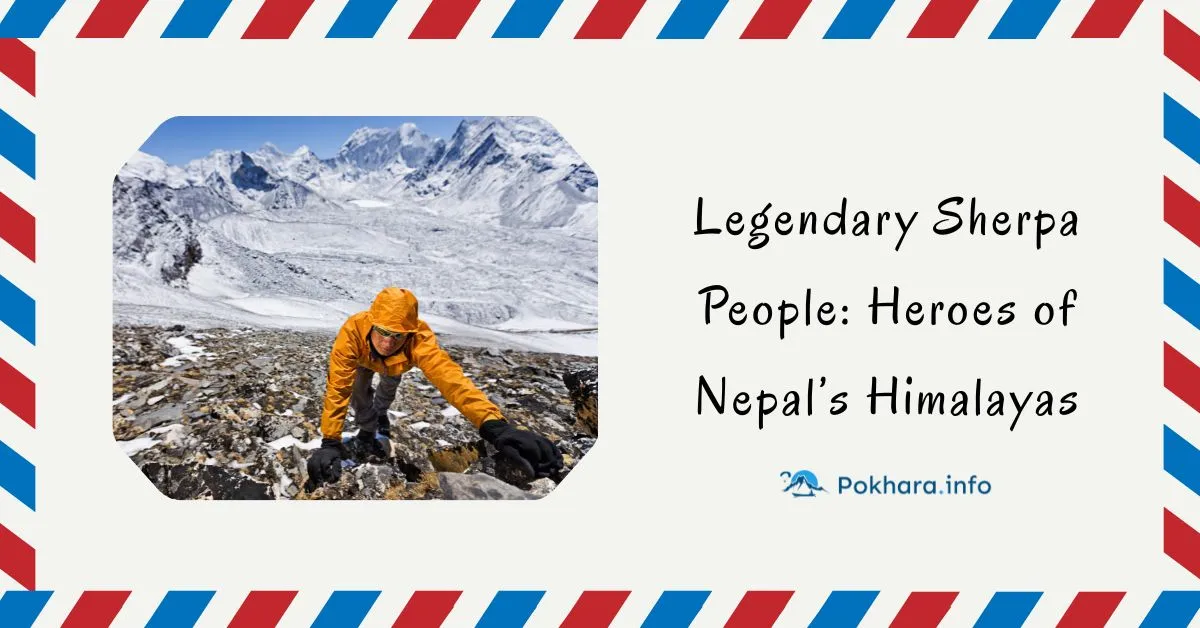
Sherpa people, the indigenous individuals of the Everest region, play a vital role in the success and safety of the Everest Base Camp Trek. Renowned for their mountaineering skills and determined resilience, Sherpa people serve as guides, porters, and mentors for trekkers from around the world.
Their comprehensive knowledge of the terrain, weather patterns, and altitude acclimatization is priceless, ensuring a safe and enjoyable trekking experience. Sherpa people are an integral part of the trekking industry, providing crucial support by carrying heavy loads, setting up camps, and offering guidance throughout the journey.
Beyond their physical contributions, Sherpa people also offer a glimpse into their rich cultural heritage. Trekkers have the opportunity to learn about Sherpa traditions, visit monasteries, and witness their warm hospitality firsthand.
Interacting with Sherpa people adds a unique dimension to the Everest Base Camp Trek, making it an unforgettable cultural experience.
Sherpa People: Masters of the Himalayas
The Sherpa people are renowned for their unmatched expertise in navigating the rugged terrain of the Himalayas and thriving in extreme high-altitude conditions. Their deep-rooted traditions, resilience, and mountaineering skills have made them indispensable to expeditions across peaks like Mount Everest.
Exploring the Sherpa Community's Origins and Cultural Heritage
The Sherpa community traces its origins back to Tibet, where they migrated from the eastern Tibetan province of Kham several centuries ago. They finally made their way to Nepal's Khumbu area, where they finally settled and blended in with the Himalayan scenery.
Despite living in a remote and challenging environment, Sherpa people have thrived and established a unique cultural identity. Their language, Sherpa, belongs to the Tibetan-Burman family and is still spoken by the community today.
Sherpa architecture, with its distinctive stone houses and intricately decorated monasteries, reflects their cultural aesthetics.
Traditions and Customs Passed Down Through Generations
An intricate tapestry of traditions and rituals have been passed down through the years among the Sherpa people.
Religion plays a significant role in their lives, with Tibetan Buddhism serving as the predominant faith. Monasteries, adorned with colorful prayer flags and intricate murals, serve as spiritual sanctuaries for the Sherpa community.
Festivals hold immense importance in Sherpa culture, celebrating religious events and agricultural harvests. The Dumje festival, Mani Rimdu, and Lhosar (Tibetan New Year) are among the vibrant celebrations that showcase Sherpa music, dance, and traditional attire.
Hospitality is deeply ingrained in Sherpa culture, with visitors receiving a warm welcome and generous hospitality. Sharing meals and stories is an integral part of their way of life, allowing visitors to immerse themselves in the Sherpa community and forge lasting connections.
Sherpa People Intimate Knowledge of the Everest Region
Sherpa people possess an unparalleled familiarity with the Everest region, acquired through generations of living and thriving in this challenging terrain. Their intimate knowledge of the mountains, weather patterns, and trekking routes is indispensable for those embarking on the Everest Base Camp Trek or attempting to summit Mount Everest.
As experienced guides and porters, Sherpa people provide valuable insights, ensuring safe passage through treacherous trails and helping trekkers acclimatize to high altitudes. They are able to make important judgments for the benefit of their client's safety since they have a thorough awareness of the dangers and difficulties presented by the mountains.
In addition, Sherpa people have played a noteworthy part in the history of climbing, with several of them achieving outstanding exploits on the tallest mountains in the world. They have gained respect and notoriety on a global scale thanks to their courage, determination, and climbing expertise.
The Legendary Sherpa Climbers
The Sherpa climbers are celebrated worldwide for their strength, courage, and unmatched high-altitude expertise. Their contributions have been vital to countless successful expeditions on peaks like Mount Everest, often working behind the scenes to make summits possible.
Tenzing Norgay - The First Sherpa to Reach the Everest Summit
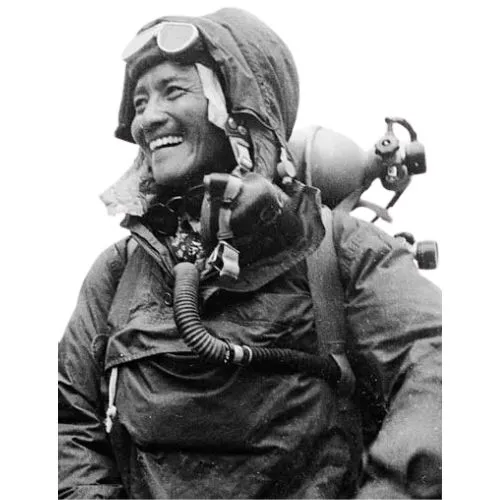
On May 29, 1953, as a member of the British expedition headed by Sir Edmund Hillary, Tenzing Norgay, who was born in the Khumbu region of Nepal in 1914, permanently inked his name in history. Tenzing Norgay and Hillary were the first climbers to successfully scale Mount Everest when they worked together.
Tenzing Norgay's ascension served as evidence of his incredible mountaineering expertise and unrelenting commitment to climbing the tallest mountain in the world. His achievements opened doors for future generations of Sherpa climbers and solidified the Sherpa community's reputation as exceptional high-altitude mountaineers.
Apa Sherpa - Setting a World Record with the Most Everest Ascents
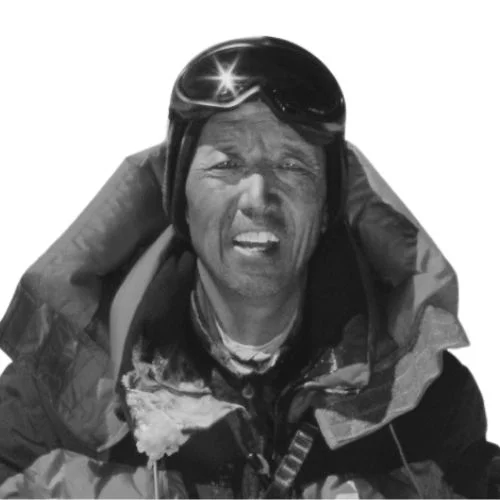
In the realm of climbing, Apa Sherpa, sometimes referred to as "Super Sherpa," is a renowned character. Born in Thame, Nepal, in 1960, Apa Sherpa held an incredible record of reaching the summit of Mount Everest 21 times between 1990 and 2011.
In addition to being a personal triumph, his summit of Everest served as a symbol of the determination and resilience of the Sherpa people. Apa Sherpa's remarkable achievements have made him an inspiration for aspiring climbers worldwide and a symbol of the Sherpa community's indomitable spirit.
Ang Rita Sherpa - The "Snow Leopard" of the Himalayas
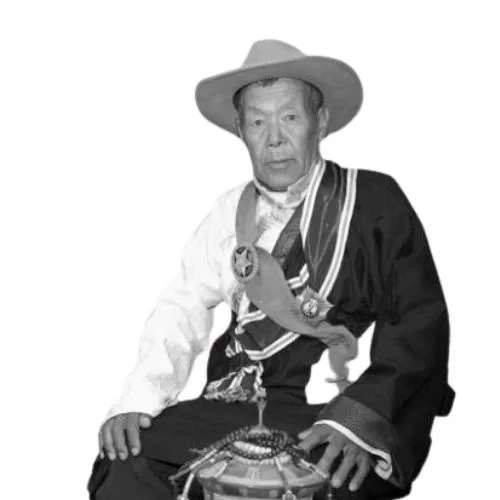
Ang Rita Sherpa hailed as the "Snow Leopard," was a legendary Sherpa climber known for his extraordinary accomplishments. Born in 1948 in the Everest region, Ang Rita Sherpa holds a remarkable record of being the first person to climb Mount Everest ten times without supplemental oxygen.
His unparalleled endurance and mountaineering skills earned him international recognition and respect. Ang Rita Sherpa's achievements are a testament to the Sherpa community's deep connection with the mountains and their ability to overcome extreme challenges in pursuit of their passion for climbing.
Ang Tharkay - A Pioneer of Early Himalayan Expeditions
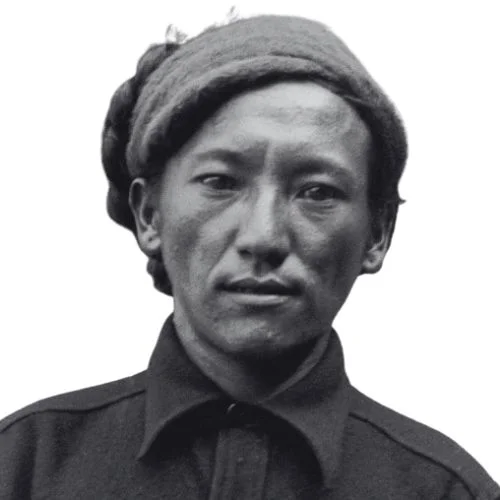
Ang Tharkay was among the earliest Sherpa mountaineers to gain international recognition, playing a vital role during the formative years of Himalayan exploration. Born in Nepal's Solukhumbu region in the early twentieth century, he became known for his leadership, endurance, and technical expertise at a time when organized expeditions were still evolving.
He participated in several major expeditions to Mount Everest and other peaks during the 1930s and beyond, earning respect for his calm judgment and route-finding ability. More than a porter, he was a trusted mountaineer whose contributions helped establish the Sherpa reputation as indispensable, skilled, and resilient high-altitude climbers.
Nawang Gombu - The First Person to Climb Everest Twice

Nawang Gombu, born in 1936 in the Khumbu region, made history as the first person to summit Mount Everest twice. Growing up in a renowned climbing family, he was deeply connected to the Himalayan mountaineering tradition from an early age.
He first reached the summit in 1963 with an American expedition and returned again in 1965 with an Indian team, setting a global milestone. His achievement marked a turning point, proving Sherpa climbers were not only essential expedition members but also record-setting mountaineers who inspired future generations.
Kami Rita Sherpa - The Modern Everest Record Holder

Kami Rita Sherpa, born in 1970 in Thame, Nepal, is globally recognized for holding the record for the highest number of summits of Mount Everest. Coming from a mountaineering family, he built his career as a highly skilled and reliable high-altitude guide.
Since the 1990s, he has consistently returned to Everest, guiding climbers while repeatedly breaking his own records. His achievements reflect not only numerical success but also years of expertise, endurance, and deep knowledge of one of the world's harshest environments.
Pasang Lhamu Sherpa - Breaking Barriers in Nepali Mountaineering

Pasang Lhamu Sherpa, born in 1961, became the first Nepali woman to summit Mount Everest, challenging social norms in a male-dominated field. Her determination and courage made her a pioneering figure in Nepal's mountaineering history.
After multiple attempts, she successfully reached the summit in 1993 but tragically died during the descent. Her achievement marked a historic milestone, inspiring future generations of women and establishing her legacy as a national icon of courage and progress.
Babu Chiri Sherpa - A Symbol of Endurance and Determination
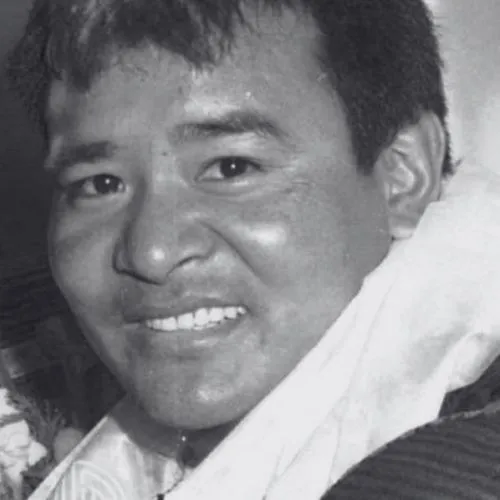
Babu Chiri Sherpa, born in 1965 in Solukhumbu, rose from humble beginnings to become one of Nepal's most respected high-altitude climbers. He was widely recognized for his extraordinary physical endurance and deep familiarity with extreme Himalayan conditions.
He set remarkable records on Mount Everest, including spending over 21 hours on the summit in 1999 and achieving a speed ascent from base camp. Though he tragically died in 2001, his legacy remains a powerful symbol of resilience and human limits in the death zone.
Sherpa People as Guides and Porters
Sherpa people play a crucial role as guides and porters, supporting climbers and trekkers across Nepal's rugged mountain regions. Their deep knowledge of terrain, weather patterns, and high-altitude survival makes them indispensable to Himalayan expeditions.
Role of Sherpa People as Trekking Guides
Sherpa people are well known for their skill as trekking instructors, providing a wealth of information and experience that improves the hiking adventure for tourists. With their intimate familiarity with the terrain, weather patterns, and local customs, Sherpa guides ensure the safety and enjoyment of trekkers.
Sherpa guides possess exceptional mountaineering skills and have an innate ability to navigate the intricate network of trails in the Himalayas. Their astute judgment, honed through years of experience, enables them to make informed decisions about route selection, pace, and altitude acclimatization, ensuring a successful and safe journey.
Sherpa guides not only have extensive technical knowledge but also act as cultural ambassadors by sharing information about the traditions, folklore, and spirituality of the Himalayan territory. Trekkers have the privilege of immersing themselves in the rich Sherpa culture, thanks to the guidance of these knowledgeable Sherpa guides.
Sherpa People Expertise in Navigating the Treacherous Mountain Trails
Sherpa people possess an unparalleled familiarity with the treacherous mountain trails of the Himalayas. The challenging terrain, steep ascents, and unpredictable weather require astute navigation skills, and Sherpa people are masters in this regard.
Their knowledge of the region's topography allows them to plan routes that optimize safety and enjoyment. They are adept at identifying the best paths, avoiding potential hazards, and adjusting the itinerary based on changing conditions.
Sherpa peoples' expertise in assessing snow conditions, crevasse dangers, and the stability of the terrain ensures trekkers can traverse the mountains with confidence. Their comprehensive understanding of altitude-related challenges is particularly valuable.
They guide trekkers in acclimatization techniques, monitor symptoms of altitude sickness, and make educated decisions regarding rest days and ascent rates, ensuring the well-being of their clients.
Physical Challenges Faced by Sherpa Porters
Sherpa porters are the unsung heroes of the trekking community, carrying hefty packs to transport food, supplies, and other requirements to trekking parties. The physically demanding nature of their work requires immense strength, endurance, and resilience.
Porters often carry loads that exceed their own body weight, navigating steep and rugged trails for long distances. Their agility and balance enable them to maneuver through challenging terrain, sometimes facing treacherous weather conditions and high altitudes.
The dedication of Sherpa porters to their work is awe-inspiring, as they endure challenging conditions while maintaining their cheerful and helpful demeanor. Their contributions are crucial to the success and comfort of trekkers, allowing them to focus on enjoying the journey while the porters handle the logistics.
Sherpa Culture and Spirituality
Sherpa culture is deeply rooted in Tibetan Buddhism, shaping their daily lives, traditions, and connection to the mountains. Their spirituality fosters a strong respect for nature, where peaks are often regarded as sacred rather than simply challenges to conquer.
Sherpa People Religious Beliefs and Practices
Sherpa people adhere to Tibetan Buddhism, a faith deeply rooted in the region.
Influenced by Tibetan culture, Sherpa Buddhism combines elements of the Bon religion and Tibetan Buddhist teachings. It emphasizes compassion, wisdom, and the pursuit of enlightenment.
Sherpa people have a strong connection to nature, believing that mountains, rivers, and forests are inhabited by deities and spirits. They pay homage to these natural forces and seek their blessings through prayers, rituals, and offerings.
Monasticism holds a significant place in Sherpa culture, with individuals often choosing to become monks or nuns to dedicate their lives to spiritual pursuits. Monastic education centers provide opportunities for Sherpa youth to study Buddhist philosophy and scripture, preserving their religious heritage.
Sherpa Festivals and CeremoniesÂ
Sherpa festivals are vibrant celebrations that bring the community together to honor religious events and mark significant milestones. Festivals like Dumje, Mani Rimdu, and Lhosar (Tibetan New Year) are eagerly anticipated and celebrated with great enthusiasm.
Dumje, also known as Sherpa New Year, is a joyous occasion marked by traditional dances, music, and colorful attire. The Sherpa community gathers around this time to give thanks and ask for blessings for the upcoming year.
Mani Rimdu, a sacred festival held in monasteries, combines religious ceremonies, masked dances, and intricate rituals. It honors the nativity, awakening, and demise of Guru Rinpoche (Padmasambhava), the founder of Tibetan Buddhism. Sherpa people and visitors alike gather to witness these sacred performances and receive blessings.
Sherpa Monasteries and Spiritual Centers in the Everest Region
The Everest region is adorned with Sherpa monasteries and spiritual centers, serving as sanctuaries for Sherpa people and seekers of spiritual enlightenment. On the way to Everest Base Camp, you will encounter Tengboche Monastery at an altitude of 3,867 meters.
This monastery is the most popular in the Everest region. It offers a serene and captivating setting where monks engage in prayer, meditation, and religious ceremonies.
Inside these monasteries, visitors can witness colorful murals, intricate mandalas, and exquisite statues of Buddhist deities. Visitors are encouraged to connect with their own spiritual path through the serene and reverent ambiance.
Sherpa monasteries also serve as repositories of religious texts, preserving ancient scriptures and valuable cultural artifacts. They act as educational centers, nurturing young monks and providing a platform for the transmission of knowledge and wisdom.
The Sherpa Way of Life
The Sherpa way of life is closely tied to the rhythms of the mountains, where community, resilience, and hard work shape everyday living. From farming and trading to supporting trekking expeditions, their lifestyle reflects a deep balance between tradition and the demands of high-altitude environments.
Traditional Sherpa Livelihoods and Occupations
Sherpa people have traditionally relied on a combination of livelihoods to sustain themselves in the challenging mountain environment.
One of the primary occupations is mountaineering and trekking, where Sherpa people serve as guides and porters, sharing their expertise with adventurous travelers. They have received acclaim on a global scale for their outstanding climbing abilities and thorough understanding of the terrain.
Apart from mountaineering, agriculture has been a cornerstone of Sherpa's livelihood. Despite the harsh conditions, they have ingeniously cultivated terraced fields, growing crops such as potatoes, barley, and buckwheat.
Sherpa people also engage in animal husbandry, raising yaks and dzomo (a hybrid of yak and cow) for milk, meat, and wool.
Agriculture and Animal Husbandry in the High-Altitude Regions
Sherpa people exhibit remarkable resilience in practicing agriculture and animal husbandry at high altitudes. Through generations of adaptation, they have developed effective farming techniques suited to the mountainous terrain.
Terraced fields maximize arable land, and irrigation systems channel water to nourish crops. The cultivation of barley, a hardy cereal, serves as a staple crop for the Sherpa people.
They utilize its grain for flour, beer, and tsampa (roasted barley flour). The rearing of yaks and dzomo provides essential resources, including milk, butter, cheese, and fibers for clothing and shelter.
These agricultural and animal husbandry practices not only sustain the Sherpa community but also contribute to their self-sufficiency and preservation of traditional knowledge passed down through generations.
Impact of Tourism on Sherpa Lifestyle and Economy
The rise of tourism in the Everest region has brought significant changes to the Sherpa way of life. The influx of travelers seeking adventure and cultural immersion has created new economic opportunities for the community.
Sherpa people have embraced the tourism industry by serving as trekking guides, porters, and entrepreneurs. Along well-traveled hiking routes, lodges, teahouses, and gift shops have popped up to serve the demands of tourists.
As a result, currently, there is greater support for tourism-related businesses for revenue generation.
However, the surge in tourism has also posed challenges. The traditional livelihoods of agriculture and animal husbandry have somewhat diminished as the focus shifts toward tourism.
Sherpa people are adapting to new roles, balancing their cultural heritage with the demands of the modern world.
Training and Education for Sherpa People
Training and education play a growing role in shaping opportunities for Sherpa people, blending traditional knowledge with modern skills. Many pursue formal schooling and specialized mountaineering training to improve safety, expand career paths, and adapt to the evolving trekking and climbing industry.
Sherpa Education Initiatives and Opportunities
Sherpa communities have placed increasing emphasis on education, striving to provide access to quality schooling for their children. Schools, both government-funded and community-based, have been established in the Everest region and surrounding areas, offering education up to secondary levels.
In recent years, scholarships and sponsorship programs have been introduced to support promising Sherpa students in pursuing higher education. These initiatives aim to empower Sherpa youth with knowledge and skills, enabling them to contribute to their communities and beyond.
Training Programs for Aspiring Sherpa Guides and Climbers
Recognizing the demand for skilled Sherpa guides and climbers, training programs have emerged to cater to aspiring individuals. These programs focus on imparting technical mountaineering skills, safety protocols, first aid training, and knowledge of the Everest region's terrain and weather patterns.
Training programs often include practical field exercises, theoretical sessions, and mentorship opportunities with experienced Sherpa guides. These initiatives not only equip Sherpa people with the necessary skills but also instill a deep understanding of their responsibilities towards clients and the environment.
Efforts to Preserve and Promote Sherpa Cultural Knowledge
Sherpa people are dedicated to preserving and promoting their rich cultural heritage and traditional knowledge. Efforts have been made to document oral histories, record traditional practices, and compile indigenous knowledge about the mountains, flora, and fauna.
Sherpa cultural centers and museums have been established to showcase the community's vibrant traditions, showcasing artifacts, costumes, and traditional arts. These spaces provide a platform for Sherpa people to share their cultural practices with visitors and younger generations, fostering a sense of pride and continuity.
Furthermore, cultural exchange programs and festivals are organized to celebrate Sherpa culture and foster cross-cultural understanding. These initiatives enable Sherpa people to share their customs, rituals, and spiritual beliefs, strengthening cultural identity and promoting intercultural dialogue.
Challenges Faced by Sherpa people
Sherpa people face significant challenges, especially those working in high-altitude expeditions where weather, terrain, and oxygen scarcity create constant risks. Despite their expertise, they often deal with physical strain, seasonal income uncertainty, and limited access to long-term support and insurance.
Environmental Risks and Hazards in the Everest Region
The Everest region poses unique environmental risks and hazards that Sherpa people must navigate.
Avalanches, rockfalls, and unpredictable weather conditions present constant challenges to those living and working in the area. Rapid changes in weather patterns, high winds, and extreme temperatures require constant vigilance and preparation.
Glacial retreats and the formation of glacial lakes due to climate change have increased the risk of glacial lake outburst floods (GLOFs) in the region. Sherpa people must remain vigilant and develop adaptation strategies to mitigate these hazards and protect their communities and livelihoods.
Economic and Social Challenges in the Sherpa Community
The Sherpa community faces economic and social challenges that arise from both internal and external factors. Dependence on the tourism industry, while providing economic opportunities, can create a vulnerable economic landscape, particularly in times of crisis or fluctuating tourist numbers.
Limited access to resources and infrastructure like healthcare and education, can hinder the community's well-being and development. The Sherpa people strive to overcome these challenges by advocating for better infrastructure, healthcare facilities, and educational opportunities for their children.
Preserving their cultural identity amidst globalization and outside influences is another ongoing challenge. Sherpa people work tirelessly to strike a balance between embracing modernity and preserving their cherished traditions and values.
Impact of Climate Change on the Himalayas and Sherpa Livelihoods
Rising temperatures lead to accelerated glacial melting, affecting water resources and increasing the likelihood of natural disasters. Sherpa people witness firsthand the changing landscape and its consequences, as glacial retreat impacts their agriculture, water supply, and overall ecosystem.
Changing weather patterns and unpredictable monsoons disrupt agricultural practices, leading to potential food insecurity. Additionally, the fragility of mountain ecosystems is compounded by increased pollution and waste resulting from tourism.
Sherpa people are taking proactive measures to mitigate the impact of climate change, advocating for sustainable practices, waste management, and environmentally responsible tourism. They collaborate with national and international groups to identify solutions that guarantee the Everest region's preservation for future generations.
Responsible Tourism and Sherpa Empowerment
Responsible tourism helps ensure that trekking and climbing activities benefit Sherpa communities rather than placing undue pressure on them or their environment. By supporting fair wages, safer working conditions, and local-led businesses, travelers can directly contribute to Sherpa empowerment and sustainable mountain tourism.
Initiatives Promoting Responsible and Sustainable Tourism
Initiatives for responsible travel seek to maximize the advantages of travel for the environment and local community while minimizing its negative effects. These initiatives encourage tourists to respect Sherpa's cultural values, traditions, and natural surroundings.
Educational campaigns and awareness programs help visitors understand the significance of responsible behavior, such as respecting local customs, conserving resources, and minimizing waste. Initiatives also support environmentally good behaviors, such as the usage of renewable energy, ethical trash disposal, and aiding regional conservation initiatives.
Visitors can explore the Everest region while assisting in its long-term viability and enhancing the well-being of the Sherpa population by encouraging responsible tourism.
Supporting Local Sherpa Businesses and Initiatives
Supporting local Sherpa businesses and initiatives is crucial for sustainable development and empowerment within the Sherpa community. By patronizing locally owned lodges, restaurants, and shops, tourists contribute directly to the local economy and help preserve Sherpa's cultural identity.
Efforts to promote fair trade practices, such as buying locally made handicrafts and products, provide income-generating opportunities for Sherpa people. Community-based tourism initiatives empower Sherpa entrepreneurs to showcase their culture, traditions, and unique offerings, ensuring the benefits of tourism reach the local community.
Additionally, fostering entrepreneurship and providing access to resources and training further enhance the capacity of Sherpa individuals to start and sustain their businesses.
Partnerships for Sherpa Community Development
Partnerships between the Sherpa community, local organizations, and government entities are vital for long-term Sherpa community development. Collaborative efforts can address infrastructure development, healthcare, education, and environmental conservation.
Sherpa youngsters may get the skills necessary to be successful in a variety of sectors by investing in educational opportunities, scholarships, and vocational training programs, which promote community development and empowerment.
Partnerships also support programs aimed at climate change adaptation, sustainable agriculture, and environmental preservation, enhancing the community of Sherpa people' resilience to environmental difficulties.
Moreover, fostering collaboration between the Sherpa community and tourism stakeholders, such as tour operators and travel agencies, ensures that tourism activities align with the community's priorities and contribute to their sustainable development.
Everest Base Camp Trek: A Journey with Sherpa people
The Everest Base Camp Trek offers a remarkable journey through the Himalayas, where trekkers experience both breathtaking landscapes and rich local culture. Along the way, Sherpa people play a vital role as guides, porters, and cultural hosts, helping visitors navigate the terrain safely and meaningfully.
Highlighting the Sherpa Guides and Porters' Essential Role
The Everest Base Camp Trek's foundation is made up primarily of Sherpa people, who are famous for their extraordinary climbing abilities and unyielding tenacity. Sherpa guides play a vital role, leading trekkers through challenging terrains, ensuring safety, and providing insights into the local culture and environment.
Sherpa porters, the unsung heroes, shoulder heavy loads, carrying essential supplies and equipment, allowing trekkers to focus on the journey. Their strength, endurance, and invaluable assistance enable a smoother and more enjoyable trekking experience.
The Sherpa people' extensive knowledge of the route, altitude acclimatization, and weather patterns make them indispensable companions, ensuring trekkers navigate the ever-changing mountain landscape with confidence and security.
Capturing the Unique Experiences of Trekkers with Sherpa Companions
Trekking to Everest Base Camp with Sherpa companions offers trekkers a truly unique and enriching experience. Interacting with Sherpa people provides insight into their rich cultural heritage, as they share stories of mountaineering triumphs, Sherpa traditions, and spiritual beliefs.
An environment of connection and togetherness is fostered by the warm welcome and sincere friendship of Sherpa people. Trekkers have the opportunity to learn about Sherpa customs, sample traditional cuisine, and witness age-old ceremonies and festivals.
The presence of Sherpa companions enriches the journey in countless ways, fostering a deeper appreciation for the Everest region, its people, and the profound bond between humans and mountains.
Conclusion
In conclusion, delving into the world of Sherpa people and their extraordinary contributions to the Everest region is an invitation to embrace their rich culture, resilience, and deep connection with the mountains. By learning more about Sherpa traditions, supporting responsible tourism, and engaging in initiatives that empower the Sherpa community, we can make a meaningful difference.
Let us appreciate the Sherpa people' unwavering spirit as they guide trekkers and climbers, carry heavy loads, and preserve their cultural heritage. Their knowledge, expertise, and warm hospitality enrich our experiences in the Himalayas.
As travelers, let us continue to explore the Sherpa way of life, support local Sherpa businesses, and advocate for sustainable practices. Together, we can make sure the Sherpa people are prosperous, their cultural practices persist, and their magnificent mountains continue to serve as an inspiration for future generations.
It is through understanding, respect, and support that we can truly honor and uplift the remarkable Sherpa community.
FAQs
What is the role of a Sherpa in the Everest Base Camp Trek?
The role of a Sherpa in the Everest Base Camp Trek is to serve as a guide, providing invaluable expertise in navigating treacherous mountain trails, ensuring safety, and sharing insights into the local culture and environment.
How long does it take to complete the Everest Base Camp Trek?
Completing the Everest Base Camp Trek typically takes around 12-16 days, including acclimatization days to adjust to the high altitude and reduce the risk of altitude sickness.
Are Sherpa people native to the Everest region?
Yes, Sherpa people are native to the Everest region. Since they have lived in the Khumbu Region for many generations, they have formed a close bond with the mountains and their surroundings.
What challenges do Sherpa people face while climbing Mount Everest?
Sherpa people face several challenges while climbing Mount Everest, including harsh weather, high elevations, avalanches, crevasses, and the demanding physical demands of the ascent. They also often risk their lives to support and guide climbers.
How do Sherpa people prepare themselves for high-altitude trekking?
Sherpa people train physically, acclimate to the altitude, and accumulate knowledge from years of living and working in the highlands to prepare them for high-altitude trekking. They engage in cardiovascular exercises, and endurance training, and often undertake multiple treks to gradually adapt their bodies to the high altitudes.