The Ghorepani Poon Hill Trek is one of Nepal's most rewarding short trekking adventures. While many travelers associate Nepal with long expeditions to Everest Base Camp or Annapurna Base Camp, the Ghorepani Poon Hill route offers an opportunity to experience the Himalayas without committing to weeks of trekking or extreme altitude.
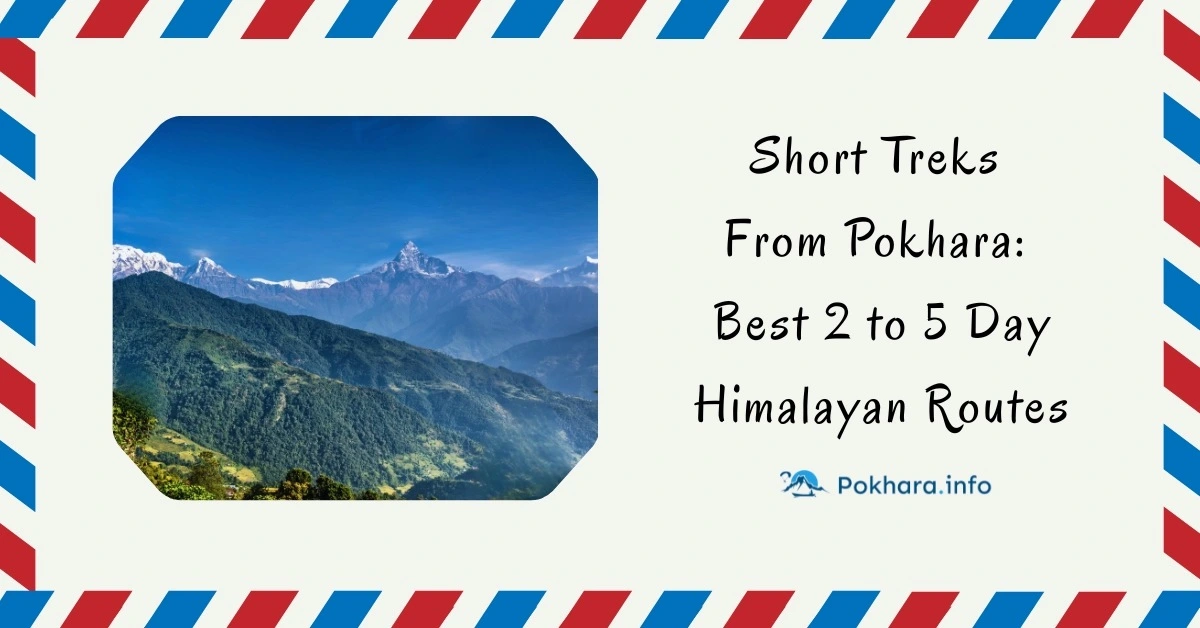
Situated within the Annapurna region of Nepal, this trek is famous for its spectacular sunrise views from Poon Hill, a viewpoint located at approximately 3,210 meters above sea level. From the summit, trekkers witness one of the most celebrated mountain panoramas in Nepal, including Annapurna South, Dhaulagiri, Hiunchuli, Machhapuchhre (Fishtail), Nilgiri, and numerous surrounding peaks.
The route combines mountain scenery, rhododendron forests, traditional Gurung and Magar villages, terraced farmlands, waterfalls, and rich local culture. Unlike many high-altitude Himalayan expeditions, the trek remains accessible to beginners, families, and travelers with limited time.
For many visitors, Ghorepani Poon Hill serves as a first introduction to trekking in Nepal. For experienced hikers, it remains one of the country's most enjoyable short treks due to its scenery, infrastructure, and cultural experiences.
Quick Overview
Region: Annapurna Region
Trek Duration: 4 to 7 Days
Trek Distance: Approximately 40 to 55 km
Maximum Altitude: 3,210 m (Poon Hill)
Difficulty: Easy to Moderate
Accommodation: Tea Houses and Lodges
Starting Point: Pokhara
Ending Point: Pokhara
Best Seasons: Spring and Autumn
Required Permits: Annapurna Conservation Area Permit (ACAP)
Guide Requirement: Check latest Nepal regulations before travel
Transportation: Jeep, Bus, or Private Vehicle
Why the Ghorepani Poon Hill Trek Remains So Popular
Every year, thousands of trekkers choose the Ghorepani Poon Hill route over more demanding expeditions.
The popularity is not simply because the trek is shorter. Instead, it offers an exceptional balance between accessibility and Himalayan scenery.
Within only a few days, trekkers can experience dense forests, traditional mountain settlements, dramatic ridgelines, and sunrise views that rival those found on far longer routes. The trail climbs high enough to provide stunning mountain panoramas while remaining below the altitude where severe altitude sickness becomes a major concern.
Another reason for its popularity is the excellent infrastructure. The route has well-established tea houses, marked trails, reliable accommodation, and easy transportation access from Pokhara.
For travelers visiting Nepal for one or two weeks, the Ghorepani Poon Hill Trek often provides the highest reward-to-time ratio among all trekking options.
Major Highlights of the Trek
Sunrise from Poon Hill
The defining experience of this trek is reaching Poon Hill before sunrise.
Trekkers usually leave Ghorepani in darkness and hike uphill for approximately 45 minutes to one hour. As dawn approaches, the Himalayan skyline gradually changes color.
The first rays of sunlight illuminate Dhaulagiri and Annapurna before spreading across the entire mountain range. This sunrise experience has become one of the most photographed moments in Nepal.
Rhododendron Forests
The Annapurna region contains some of Nepal's most beautiful rhododendron forests.
During spring, particularly from March through April, hillsides become covered with blooming rhododendrons in shades of red, pink, and white. Entire forests appear transformed into colorful landscapes that contrast dramatically against snowy mountain peaks.
Traditional Villages
The trek passes through several culturally significant settlements, including Ulleri, Banthanti, Nangethanti, Ghorepani, Tadapani, and Ghandruk. These villages provide insight into the traditions, architecture, and daily life of the Gurung and Magar communities.
Annapurna Conservation Area
The trek takes place within the Annapurna Conservation Area, Nepal's largest protected conservation region. The area supports diverse ecosystems, including rhododendron forests, oak forests, bamboo vegetation, alpine landscapes, numerous bird species, and himalayan wildlife.
Is the Ghorepani Poon Hill Trek Suitable for Beginners?
Yes. The Ghorepani Poon Hill Trek is often considered Nepal's best beginner trek.
Unlike Everest Base Camp or Annapurna Circuit, the route does not require prolonged exposure to extreme altitude. The trail is well developed and accommodation is widely available.
However, the trek should not be underestimated. Many sections involve steep stone staircases, particularly around Ulleri.
Trekkers may spend five to seven hours walking per day, often climbing continuously uphill. Individuals with reasonable fitness levels can complete the trek comfortably after basic preparation.
Trek Difficulty Explained
The trek is generally classified as easy to moderate.
Several factors influence difficulty:
Altitude
The highest point is Poon Hill at approximately 3,210 meters. Most trekkers experience little or no altitude-related issues at this elevation, though mild symptoms can occasionally occur.
Trail Conditions
Trails vary significantly: Stone staircases, Forest paths, Dirt trails, Rocky sections, and Village pathways. The famous Ulleri staircase contains thousands of stone steps and represents one of the most physically demanding portions of the trek.
Daily Walking Hours
Expect:
4 to 7 hours per day
Moderate elevation gain
Frequent ascents and descents
The trek is more physically demanding than many first-time visitors anticipate.
Required Permits for 2026
ACAP supports conservation efforts and trail maintenance throughout the Annapurna region. The permit is checked at multiple locations during the trek.
Trekking Regulations
Nepal's trekking policies have evolved over recent years. Travelers should verify current guide and permit requirements through official tourism authorities or licensed trekking agencies before beginning the trek.
Best Time to Trek
Choosing the right season significantly affects visibility, weather conditions, and overall experience.
Spring (March to May)
Spring is one of the most beautiful seasons for the trek.
Advantages include:
Blooming rhododendrons
Moderate temperatures
Clear mountain views
Long daylight hours
March and April are particularly popular.
Autumn (September to November)
Autumn is generally considered the best trekking season.
Advantages include:
Stable weather
Excellent visibility
Comfortable temperatures
Low rainfall
October often offers the clearest mountain views of the year.
Winter (December to February)
Winter trekking remains possible.
Advantages include:
Fewer trekkers
Clear skies
Quiet trails
Challenges include cold mornings and occasional snowfall.
Monsoon (June to August)
Monsoon is the least popular trekking season.
Challenges include:
Heavy rainfall
Slippery trails
Leeches
Reduced mountain visibility
However, forests become exceptionally green and crowds are minimal.
Typical 5-Day Ghorepani Poon Hill Trek Itinerary
Day 1: Pokhara to Ulleri
Drive from Pokhara to Nayapul or Tikhedhunga before beginning the trek toward Ulleri.
Walking Duration: 4 to 6 Hours
Day 2: Ulleri to Ghorepani
Ascend through rhododendron forests and mountain landscapes.
Walking Duration: 5 to 6 Hours
Day 3: Poon Hill Sunrise and Trek to Tadapani
Early morning hike to Poon Hill before continuing toward Tadapani.
Walking Duration: 6 to 7 Hours
Day 4: Tadapani to Ghandruk
Descend through forests to one of the Annapurna region's most famous villages.
Walking Duration: 3 to 5 Hours
Day 5: Ghandruk to Pokhara
Trek to the roadhead and drive back to Pokhara.
Walking Duration: 2 to 4 Hours
Cost of Ghorepani Poon Hill Trek in 2026
The total budget depends on season, travel style, guide services, and accommodation preferences.
Budget Trekker
Approximate Cost: USD 250 to 450
Includes: Local transportation, Basic accommodation, Standard meals, Permits
Guided Trek
Approximate Cost: USD 500 to 900
Includes: Guide, Accommodation, Meals, Transportation, Permit arrangements
Private Trek Package
Approximate Cost: USD 900 to 1,800+
Includes: Private transportation, Professional guide, Better accommodations, Customized itinerary
Physical Preparation
Although short, preparation improves the trekking experience significantly.
Recommended activities include:
Walking 5 to 10 km regularly
Stair climbing
Hiking local trails
Cycling
Jogging
Strengthening leg muscles before arrival makes the Ulleri section substantially easier.
Transportation from Pokhara
Most trekkers begin in Pokhara.
Common transport options include:
Shared Jeep: Fastest and most convenient.
Local Bus: Cheapest option.
Private Vehicle: Most comfortable but more expensive.
Travel time typically ranges from 1.5 to 3 hours depending on the trailhead and road conditions.
Accommodation During the Trek
One of the reasons the Ghorepani Poon Hill Trek is suitable for beginners is the availability of accommodation throughout the route. Unlike remote Himalayan expeditions that require camping, this trek can be completed entirely using local tea houses and mountain lodges.
Most villages along the route offer simple but comfortable rooms.
The majority of accommodations provide twin-sharing rooms with beds, mattresses, pillows, and blankets. During peak trekking seasons, booking through a trekking agency or arriving early is recommended because rooms can fill quickly.
The quality of accommodation generally improves in larger villages such as Ghorepani and Ghandruk. Some lodges now offer attached bathrooms, hot showers, Wi-Fi, and charging facilities, although these services often come with additional charges.
As altitude increases, facilities become simpler. Trekkers should expect shared dining halls and communal spaces where visitors gather around heated stoves during cold evenings.
Accommodation Costs
Approximate costs per night:
Basic Tea House: USD 5 to 15
Standard Lodge: USD 15 to 30
Premium Lodge: USD 30 to 60+
Prices vary according to season, location, and available facilities.
Food and Meals on the Trek
Food is an important part of the trekking experience. Tea houses throughout the route offer extensive menus designed to provide energy for long walking days.
Breakfast Options
Typical breakfast choices include: Tibetan bread, Chapati, Pancakes, Omelets, Porridge, Muesli, Toast, and Boiled eggs.
Tea, coffee, ginger tea, lemon tea, and hot chocolate are commonly available.
Lunch and Dinner
The most recommended meal is Dal Bhat. A traditional Nepali meal consisting of: Rice, Lentil soup, Seasonal vegetables, and Pickles.
Dal Bhat is popular because it provides sustained energy and many tea houses offer free refills.
Other common menu items include: Fried rice, Noodles, Momos, Pasta, Pizza, Soups, Spaghetti, Potatoes, Curry dishes
Food Costs
Food prices increase with altitude due to transportation challenges.
Average daily food budget:
Budget Traveler: USD 15 to 25
Mid-Range Traveler: USD 25 to 40
Premium Traveler: USD 40+
Drinking Water and Hydration
Proper hydration is essential during any Himalayan trek. Most tea houses provide Boiled water, Filtered water, and Bottled water
Instead of purchasing multiple plastic bottles, trekkers are encouraged to carry a reusable water bottle and use purification tablets, filtration systems, or boiled water.
A daily intake of 3 to 4 liters is generally recommended during trekking days.
Internet, Mobile Network and Charging
Connectivity continues to improve throughout the Annapurna region.
Mobile Networks
The most commonly used providers are Nepal Telecom (NTC) and Ncell. Coverage is generally available in most major villages, though signal strength varies.
Wi-Fi
Many tea houses offer Wi-Fi access. Typical cost: USD 1 to 5 depending on location.
Charging Facilities
Most lodges provide charging stations. Charges usually range from USD 1 to 3 per device. A power bank remains highly recommended.
Altitude and Safety Considerations
Although the Ghorepani Poon Hill Trek does not reach extreme elevations, altitude awareness remains important.
Maximum Altitude
Poon Hill: 3,210 meters
Most trekkers experience no serious altitude issues. However, some individuals may notice:
Mild headaches
Reduced appetite
Fatigue
Difficulty sleeping
Preventing Altitude Problems
To minimize risk:
Walk at a steady pace
Stay hydrated
Avoid excessive alcohol
Eat regularly
Get adequate rest
If symptoms worsen significantly, descending remains the most effective treatment.
Weather and Temperature Guide
Spring (March to May)
Daytime: 10°C to 20°C
Night: 0°C to 8°C
Spring offers blooming rhododendron forests and excellent mountain visibility.
Summer / Monsoon (June to August)
Daytime: 15°C to 25°C
Night: 10°C to 15°C
Expect heavy rainfall, muddy trails, and occasional leeches.
Autumn (September to November)
Daytime: 10°C to 20°C
Night: 0°C to 10°C
This is considered the best season for mountain views.
Winter (December to February)
Daytime: 5°C to 15°C
Night: -5°C to 5°C
Cold mornings and occasional snowfall are possible.
Month-by-Month Trekking Conditions
January: Cold, quiet trails, occasional snow.
February: Clear weather with fewer trekkers.
March: Rhododendrons begin blooming.
April: Peak flower season and excellent visibility.
May: Warm temperatures and beautiful landscapes.
June: Monsoon begins.
July: Heavy rainfall and slippery trails.
August: Green landscapes but wet conditions.
September: Monsoon retreats and visibility improves.
October: Best overall trekking month.
November: Stable weather and excellent mountain views.
December: Cold but peaceful trekking conditions.
Wildlife and Nature
The Ghorepani Poon Hill Trek passes through part of the Annapurna Conservation Area, Nepal's largest protected conservation region.
Wildlife that inhabits the area includes:
Himalayan Monal (Danphe)
Musk Deer
Himalayan Tahr
Langur Monkeys
Various pheasant species
Leopards (rarely seen)
The forests themselves are among the trek's greatest attractions.
Trekkers pass through:
Rhododendron forests
Oak forests
Pine forests
Bamboo-covered sections
Spring transforms the region into one of Nepal's most colorful trekking landscapes.
Culture and Local Communities
The route passes through villages primarily inhabited by Gurung and Magar communities. These communities have played a significant role in Nepal's history and mountain culture.
Visitors often experience:
Traditional stone houses
Local museums
Buddhist prayer flags
Ancient customs
Traditional agricultural lifestyles
Ghandruk Village
Ghandruk is considered one of Nepal's most beautiful mountain villages.
Highlights include:
Traditional architecture
Gurung Museum
Mountain viewpoints
Cultural experiences
Many trekkers consider Ghandruk one of the highlights of the entire journey.
Photography Opportunities
The Ghorepani Poon Hill Trek is among Nepal's best photography routes.
Best Photography Locations
Poon Hill Sunrise: The most iconic photography location.
Ghorepani: Excellent mountain and village photography.
Ghandruk: Traditional architecture combined with Himalayan backdrops.
Rhododendron Forests: Particularly stunning during March and April.
Photography Tips
Carry spare batteries
Use sunrise and sunset light
Protect equipment from moisture
Keep lenses accessible during the Poon Hill ascent
Responsible Trekking Practices
The Annapurna region faces increasing environmental pressure due to tourism growth.
Responsible trekking helps preserve the area for future generations.
Follow Leave No Trace Principles
Carry waste out whenever possible
Avoid littering
Stay on designated trails
Reduce Plastic Use
Use refillable bottles
Avoid single-use plastics
Respect Local Culture
Dress respectfully
Ask permission before photographing people
Respect religious sites
Support Local Businesses
Stay in locally owned lodges
Hire local guides
Purchase locally made products
Common Mistakes First-Time Trekkers Make
Many beginners underestimate the trek because of its reputation as an "easy" Himalayan route.
Common mistakes include:
Bringing insufficient warm clothing
Not carrying enough water
Starting too fast on steep ascents
Ignoring weather forecasts
Overpacking unnecessary gear
Wearing new, untested boots
Proper preparation significantly improves the trekking experience.
Is Ghorepani Poon Hill Worth It?
For travelers seeking a short Himalayan adventure, the answer is unquestionably yes.
Few treks in Nepal offer such an impressive combination of:
Accessibility
Cultural experiences
Mountain scenery
Comfortable infrastructure
Moderate difficulty
The sunrise from Poon Hill alone remains one of Nepal's most memorable trekking experiences. Combined with traditional villages, rhododendron forests, and panoramic views of the Annapurna and Dhaulagiri ranges, the trek delivers far more than its relatively short duration suggests.
For many visitors, Ghorepani Poon Hill becomes the trek that inspires future Himalayan adventures.
Frequently Asked Questions
How difficult is the Ghorepani Poon Hill Trek?
The trek is generally rated easy to moderate. Most healthy individuals with basic fitness can complete it successfully.
What is the highest point of the trek?
Poon Hill, located at approximately 3,210 meters above sea level.
How many days are needed for the trek?
Most itineraries range from 4 to 7 days, depending on the route and pace.
Can beginners do the Ghorepani Poon Hill Trek?
Yes. It is widely considered one of Nepal's best treks for beginners.
Is altitude sickness common on this trek?
Serious altitude sickness is uncommon due to the relatively moderate elevation, but mild symptoms can occasionally occur.
What permits are required?
Trekkers typically require an Annapurna Conservation Area Permit (ACAP). Travelers should verify current regulations before departure.
What is the best month for the trek?
October is often considered the best month because of stable weather and excellent visibility.
Are guides necessary?
Guides are highly recommended for safety, navigation, cultural insights, and logistical support. Travelers should check current trekking regulations before traveling.
How much does the Ghorepani Poon Hill Trek cost?
Most trekkers spend between USD 250 and USD 900 depending on travel style, accommodation choices, and guide services.
Can I see Annapurna and Dhaulagiri from Poon Hill?
Yes. Poon Hill offers panoramic views of both the Annapurna and Dhaulagiri mountain ranges, making it one of Nepal's most famous viewpoints.