Trip Duration: 4 Days / 3 Nights
Trek Duration: Approximately 3 to 5 hours hiking per day
Hiking Distance: Around 18 to 22 km (depending on route)
Trip Grade: Easy
Maximum Elevation: 2,175 m
Trip Cost: Approximately USD 150 to 350 per person (depending on transportation and accommodation)
Trip Start: Kathmandu
Trip End: Kathmandu
Accommodation: Tea Houses, Guesthouses & Eco-Lodges
Best Seasons: Spring (March to May) & Autumn (September to November)
Permit: No Trekking Permit Required
Guide: Optional but Recommended
Transportation: Private Vehicle, Local Bus or Tourist Vehicle
Introduction to Kathmandu to Balthali Village Trek
Not every memorable trek in Nepal requires climbing to high altitudes or walking for weeks through the Himalayas.
Some of the country's most rewarding journeys are found in its peaceful countryside, where traditional villages, ancient temples, terraced farmlands, and welcoming local communities create experiences that are just as unforgettable.
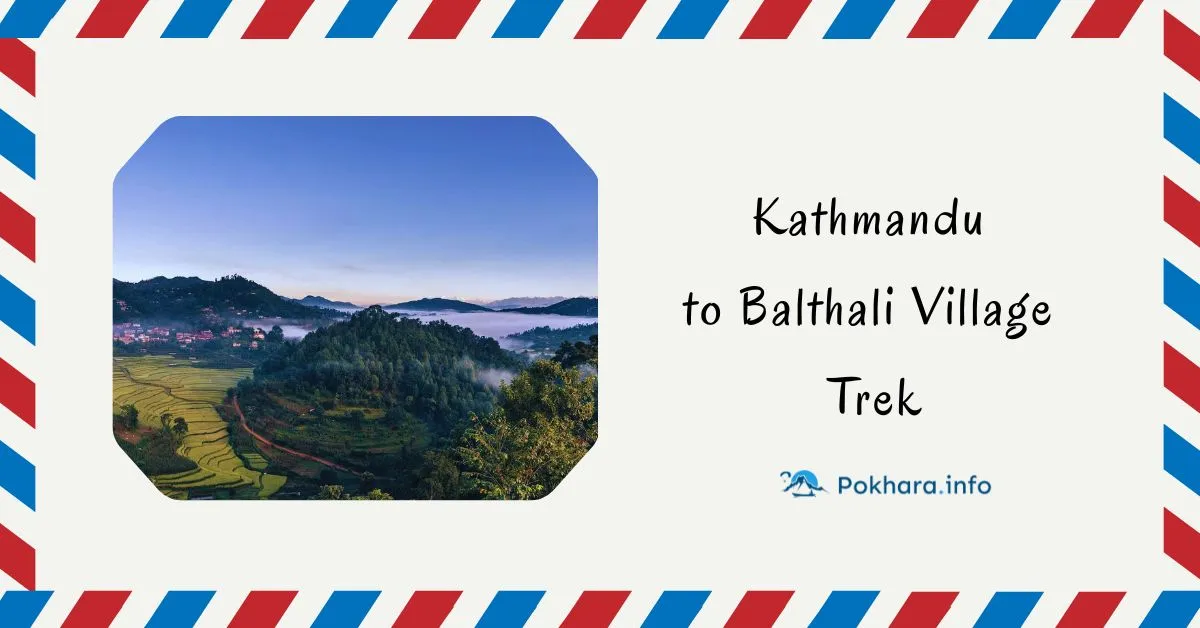
The Kathmandu to Balthali Village Trek is one such journey. Located in Kavrepalanchok District, approximately 40 kilometers southeast of Kathmandu, Balthali is a quiet rural village surrounded by green hills, fertile valleys, forests, and panoramic Himalayan landscapes.
Unlike Nepal's more crowded trekking routes, Balthali offers travelers an opportunity to experience authentic village life away from commercial tourism.
This easy four-day trek combines cultural exploration with scenic hiking. The route passes through historic towns such as Dhulikhel, the sacred Buddhist pilgrimage site of Namo Buddha, the tranquil countryside of Balthali Village, and the beautifully preserved Newari town of Panauti.
Along the way, travelers experience centuries-old traditions, ancient monasteries, traditional farming communities, and spectacular views of mountain ranges stretching from Langtang and Ganesh Himal to Gaurishankar on clear days.
The Balthali trek is ideal for families, beginner trekkers, photographers, birdwatchers, cultural travelers, and anyone seeking a peaceful escape from city life. The trails are gentle, accommodations are comfortable, and every day introduces a different side of rural Nepal that many visitors never experience.
Whether you have limited time in Nepal or simply want a relaxing trekking experience that combines culture, spirituality, and natural beauty, the Kathmandu to Balthali Village Trek offers an unforgettable journey through one of the country's most charming hidden destinations.
About Balthali Village
Situated at an elevation of approximately 2,175 meters (7,136 feet), Balthali Village lies on a ridge overlooking fertile valleys where the Roshi Khola and Ladku Khola river systems shape the surrounding landscape.
Despite being relatively close to Kathmandu, the village has preserved its traditional atmosphere and remains one of the most peaceful rural destinations in central Nepal.
Unlike many Himalayan trekking villages that primarily serve trekkers heading toward higher mountains, Balthali has developed as a destination in its own right. Visitors come not only for hiking but also to experience authentic village life, local culture, birdwatching, farming traditions, meditation retreats, and quiet mountain scenery.
The village is home to a diverse population, including Newar, Tamang, Brahmin, and Chhetri communities, each contributing to the area's rich cultural identity. Daily life continues to revolve around agriculture, livestock farming, local festivals, and close-knit community traditions that have remained largely unchanged for generations.
Walking through Balthali feels refreshingly different from visiting Nepal's larger tourist destinations.
Stone pathways connect traditional homes built with locally sourced materials, while terraced fields stretch across the hillsides and forests surround the village on nearly every side. Prayer flags flutter beside ancient shrines, children walk to nearby schools, and farmers work their fields much as their ancestors have for centuries.
The peaceful surroundings and slower pace of life make Balthali an excellent destination for travelers seeking relaxation as much as adventure.
Why Visit Balthali Village?
Balthali offers an experience that differs significantly from Nepal's famous high-altitude trekking destinations. Rather than focusing solely on reaching mountain viewpoints, this journey emphasizes cultural discovery, peaceful landscapes, and meaningful interactions with local communities.
A Peaceful Escape from Kathmandu
Within just a few hours of leaving Kathmandu, busy streets give way to quiet forests, terraced farms, traditional villages, and fresh mountain air. The dramatic contrast makes Balthali one of the best short escapes for travelers seeking relaxation without traveling far from the capital.
Experience Authentic Rural Nepal
Many villages across Nepal have become heavily commercialized due to tourism. Balthali remains refreshingly authentic, allowing visitors to observe everyday village life, traditional farming practices, local architecture, and cultural customs in a natural setting.
Scenic Countryside Instead of Crowded Trails
Unlike Everest or Annapurna trekking routes that can become busy during peak seasons, the Balthali trek follows peaceful village paths through forests, farmland, and small settlements where encounters with local residents often outnumber meetings with other trekkers.
Rich Cultural and Spiritual Heritage
The trek passes through some of central Nepal's most culturally significant destinations, including the sacred Buddhist site of Namo Buddha and the historic Newari settlement of Panauti. This combination of nature, history, and spirituality creates a unique trekking experience that extends beyond physical adventure.
Ideal for Families and Beginners
The relatively low altitude, gentle terrain, and comfortable accommodations make the trek suitable for children, older travelers, and first-time hikers. It provides an excellent introduction to trekking in Nepal without requiring advanced fitness or technical skills.
Detailed 4-Day Kathmandu to Balthali Village Trek Itinerary
Day 1: Kathmandu to Dhulikhel
Your journey begins with a scenic drive east from Kathmandu to the historic hill town of Dhulikhel.
After checking into your accommodation, spend the afternoon exploring the traditional Newari streets, temples, local markets, and viewpoints overlooking the Himalayan foothills. If weather conditions are favorable, you may even enjoy a beautiful sunset over the distant mountains.
Highlights
Scenic countryside drive
Traditional Newari architecture
Sunset viewpoints
Local markets and temples
Overnight: Dhulikhel
Day 2: Trek from Dhulikhel to Namo Buddha and Balthali
After breakfast, begin hiking through terraced farmland, pine forests, and peaceful villages toward Namo Buddha.
Namo Buddha is one of Nepal's most sacred Buddhist pilgrimage sites. According to Buddhist tradition, this is where Prince Mahasattva offered his own body to save a starving tigress and her cubs, making it one of Buddhism's most important compassion stories.
Spend time exploring the monastery, prayer halls, meditation areas, and panoramic viewpoints before continuing toward Balthali Village. The trail gently descends through forests and traditional settlements before reaching the peaceful village surrounded by green hills.
Highlights
Namo Buddha Monastery
Buddhist prayer flags and stupas
Forest hiking
Traditional villages
Beautiful countryside scenery
Walking Time: Approximately 5 hours
Overnight: Balthali Village
Day 3: Explore Balthali Village
Rather than rushing to another destination, dedicate the third day to exploring everything Balthali has to offer. Wake up early to enjoy sunrise over the surrounding hills before walking through the village to observe traditional farming practices, local homes, and everyday village life.
Nature lovers can explore nearby forest trails for birdwatching and wildlife observation, while photographers will appreciate the peaceful rural landscapes and Himalayan backdrops.
You can also interact with local residents, sample homemade Nepali cuisine, or simply relax and enjoy the quiet surroundings that make Balthali such a special destination.
Highlights
Sunrise viewpoints
Village exploration
Birdwatching
Local farming communities
Traditional Newari and Tamang culture
Relaxation in peaceful surroundings
Overnight: Balthali Village
Day 4: Trek to Panauti and Return to Kathmandu
After breakfast, begin the final section of your trek toward Panauti. The trail passes through terraced fields and small villages before arriving at one of Nepal's oldest and best-preserved Newari towns.
Panauti is famous for its beautifully carved temples, traditional houses, narrow alleys, and historic Durbar Square. Spend time exploring the cultural heritage of the town before driving back to Kathmandu.
Highlights
Scenic countryside walk
Historic Panauti
Ancient temples
Traditional Newari architecture
Return drive to Kathmandu
Trekking Route from Kathmandu to Balthali Village
One of the attractions of this trek is that it combines several culturally and historically significant destinations into a single itinerary.
Day 1: Kathmandu to Dhulikhel
The journey begins with a scenic drive from Kathmandu to Dhulikhel, one of Nepal's oldest hill towns. Famous for its traditional Newari architecture and Himalayan viewpoints, Dhulikhel offers an excellent introduction to the landscapes that characterize the region.
Travel Time: Approximately 1.5 to 2 hours
Day 2: Dhulikhel to Namo Buddha to Balthali
From Dhulikhel, well-maintained trails lead through forests, terraced farms, and small villages toward Namo Buddha.
After exploring the monastery and surrounding pilgrimage complex, the trail continues through peaceful countryside before gradually descending toward Balthali Village.
Walking Time:
Dhulikhel to Namo Buddha: Approximately 3 hours
Namo Buddha to Balthali: Approximately 2 hours
This section is widely considered the scenic highlight of the entire trek.
Day 3: Explore Balthali Village and Surroundings
Rather than covering long distances, the third day focuses on experiencing village life. Visitors can explore nearby forests, observe farming activities, interact with local families, enjoy birdwatching, or simply relax while admiring the surrounding Himalayan landscapes.
This slower pace is one of the defining characteristics that separates the Balthali trek from Nepal's more demanding trekking routes.
Day 4: Balthali to Panauti and Return to Kathmandu
The final hiking day descends toward the historic town of Panauti.
The route passes through beautiful countryside before arriving at one of Nepal's best-preserved medieval Newari settlements. After exploring its temples, courtyards, and cultural landmarks, travelers return to Kathmandu by road.
Walking Time: Approximately 3 to 4 hours
Drive to Kathmandu: Around 1.5 to 2 hours
The Cultural Heritage of Balthali
One of the greatest strengths of the Balthali trek lies in its remarkable cultural diversity. Unlike trekking routes where villages mainly function as overnight stops, the communities surrounding Balthali are destinations worth exploring in their own right.
Traditional Newar Heritage
Nearby Panauti is considered one of Nepal's oldest Newari towns, famous for its beautifully preserved temples, traditional wooden architecture, ancient courtyards, and rich craftsmanship. Visitors can observe centuries-old traditions that continue to shape daily life.
Tamang Communities
The surrounding hills are also home to Tamang villages, where visitors gain insight into one of Nepal's largest indigenous communities. Traditional homes, local customs, colorful festivals, and Buddhist influences remain central to everyday life.
Buddhist Influence
The region's spiritual significance is strongly connected to Namo Buddha, one of the holiest Buddhist pilgrimage sites in Nepal. The peaceful monastery, prayer wheels, colorful flags, and resident monks create a deeply spiritual atmosphere that attracts pilgrims from around the world.
Traditional Agriculture
Agriculture remains the backbone of village life. Throughout the trek, visitors walk beside carefully maintained terraces producing rice, maize, millet, wheat, mustard, and seasonal vegetables. Farming techniques passed down through generations continue to support local communities.
Natural Beauty of the Balthali Region
Although Balthali is best known for its peaceful countryside, the surrounding landscapes are equally impressive.
Rolling Green Hills
The trek passes through hills blanketed with forests, terraced farmland, fruit orchards, and small villages scattered across the landscape. Every season brings different colors, making the scenery attractive throughout much of the year.
Himalayan Views
On clear mornings, elevated viewpoints near Balthali offer impressive views of several Himalayan ranges, including:
Langtang Himal
Ganesh Himal
Dorje Lakpa
Gaurishankar
Manaslu (distant)
Portions of the Everest region on exceptionally clear days
Unlike dramatic close-up mountain panoramas found in the Annapurna region, these distant Himalayan vistas create a peaceful backdrop to the rolling mid-hills.
Forests and Wildlife
The forests surrounding Balthali contain pine, oak, rhododendron, and other native tree species that support a diverse ecosystem. Wildlife occasionally seen includes:
Barking deer
Rhesus monkeys
Langurs
Himalayan squirrels
Numerous butterfly species
The area is also becoming increasingly popular among birdwatchers due to its rich bird diversity.
Birdwatching Paradise
Bird enthusiasts frequently visit Balthali because the region provides habitat for many resident and migratory species. Depending on the season, visitors may spot:
Himalayan Bulbul
Oriental Magpie Robin
Green-tailed Sunbird
Woodpeckers
Eagles
Eagles soaring over surrounding valleys
Various species of pheasants and forest birds
Early morning hikes often provide the best opportunities for birdwatching.
Planning Your Trek
Best Time to Visit Balthali Village
One of the biggest advantages of the Kathmandu to Balthali Village Trek is that it can be enjoyed throughout most of the year. However, your overall experience will vary depending on the season, particularly in terms of weather, visibility, and landscape.
Spring (March to May)
Spring is widely considered one of the best seasons for visiting Balthali. The forests surrounding the village come alive with blooming rhododendrons, wildflowers, and fresh greenery, creating colorful hiking trails and excellent photography opportunities.
Temperatures remain comfortable throughout the day, while mornings usually offer clear views of the Himalayan ranges. Wildlife also becomes more active during spring, making it an excellent season for birdwatching and nature walks.
Autumn (September to November)
Autumn is another outstanding season for this trek. After the monsoon rains, the skies become exceptionally clear, allowing spectacular mountain views across the Langtang, Ganesh Himal, Gaurishankar, and surrounding peaks.
The weather is stable with pleasant daytime temperatures and cool evenings, making hiking enjoyable for trekkers of all ages. This season also coincides with Nepal's major festivals such as Dashain and Tihar, providing visitors with opportunities to experience local celebrations and cultural traditions.
Winter (December to February)
Winter offers a quieter trekking experience with fewer visitors. Although mornings and evenings can be cold, daytime temperatures remain comfortable for hiking.
The crisp winter air often provides excellent visibility of the mountains, while the peaceful atmosphere makes this season particularly appealing for travelers seeking solitude, photography, or meditation retreats.
Warm clothing is recommended, especially during overnight stays.
Monsoon (June to August)
The monsoon transforms the hills into lush green landscapes, filling rivers and streams while refreshing the surrounding forests.
However, frequent rainfall can make trails muddy and slippery, and mountain views are often hidden behind clouds. Leeches may also be present in forested sections during periods of heavy rain.
While the scenery is beautiful, this is generally considered the least favorable season for trekking unless you specifically enjoy monsoon landscapes.
Balthali Village Trek Difficulty
The Kathmandu to Balthali Village Trek is considered an easy trek, making it one of the best short hiking adventures in Nepal for travelers with little or no trekking experience.
Unlike high-altitude Himalayan expeditions, this trek involves moderate elevation, well-maintained village trails, and gradual ascents rather than steep mountain climbs.
Suitable for Beginners
The hiking distances are manageable, allowing beginners to complete each day's walk comfortably while still having enough time to enjoy the scenery and local culture.
Family-Friendly
Children, older adults, and families with moderate fitness levels can comfortably complete this trek. The route is also suitable for travelers looking for a relaxed walking holiday rather than a physically demanding expedition.
No Risk of High-Altitude Sickness
Since the highest point is approximately 2,175 meters, altitude sickness is generally not a concern, making the trek accessible to a wide range of travelers.
What to Pack for the Kathmandu to Balthali Village Trek
Although the trek is relatively easy, carrying the right equipment will make your journey far more comfortable.
Clothing
Lightweight trekking trousers
Moisture-wicking T-shirts
Fleece jacket
Waterproof jacket
Comfortable hiking socks
Hat or cap
Warm jacket for evenings
Footwear
Comfortable hiking boots or trekking shoes
Sandals or lightweight shoes for evenings
Essentials
Reusable water bottle
Sunglasses
Sunscreen
Lip balm
Camera
Power bank
Mobile phone charger
Personal identification documents
Cash (ATMs are limited)
Personal Care
Basic toiletries
Personal medications
Small first-aid kit
Insect repellent
Wet wipes
Hand sanitizer
Optional Items
Trekking poles
Binoculars for birdwatching
Notebook
Lightweight rain cover for backpack
Accommodation and Food
Accommodation Options
Accommodation along the Balthali trek focuses on comfort, hospitality, and authentic village experiences rather than luxury.
Tea Houses
Traditional tea houses provide clean rooms, simple meals, and opportunities to meet fellow travelers. They offer an authentic trekking experience while supporting local families.
Guesthouses
Family-run guesthouses are among the most popular accommodation options in Balthali. Guests can enjoy home-cooked meals, warm hospitality, and insight into everyday village life.
Eco-Lodges
Several eco-friendly lodges have developed around Balthali, offering comfortable rooms while emphasizing sustainable tourism and environmental conservation. Many feature beautiful gardens and panoramic countryside views.
Boutique Resorts
Travelers seeking additional comfort can also find boutique resorts near Balthali that combine traditional architecture with modern amenities. These properties are particularly popular among couples, photographers, and wellness travelers.
Food During the Trek
The Balthali trek provides opportunities to enjoy traditional Nepali cuisine prepared with fresh local ingredients.
Popular dishes include:
Dal Bhat (rice, lentils, vegetables, and curry)
Dhido
Gundruk
Homemade pickles
Seasonal vegetables
Fried rice
Noodles
Momos
Tibetan bread
Eggs and pancakes
Fresh local fruits
Many guesthouses also serve locally grown organic vegetables harvested directly from nearby farms.
Responsible Trekking Tips
To help preserve Balthali's peaceful environment and cultural heritage:
Respect local customs and religious sites.
Dress modestly when visiting monasteries and villages.
Carry reusable water bottles to reduce plastic waste.
Dispose of rubbish responsibly.
Ask permission before photographing local people.
Support locally owned guesthouses, restaurants, and guides whenever possible.
Stay on established trails to minimize environmental impact.
Keep noise levels low to preserve the peaceful atmosphere.
Estimated Cost
The total cost depends on your travel style.
Expense | Estimated Cost |
Transportation | USD 20 to 60 |
Accommodation | USD 20 to 80 per night |
Meals | USD 8 to 20 per day |
Guide (Optional) | USD 25 to 40 per day |
Miscellaneous Expenses | USD 20 to 40 |
Estimated Total: USD 150 to 350 per person
Luxury accommodations or private transportation may increase the overall cost.
Conclusion
The Kathmandu to Balthali Village Trek offers a refreshing alternative to Nepal's more demanding Himalayan expeditions. Instead of focusing on high mountain passes or challenging climbs, this journey celebrates the country's rich cultural heritage, peaceful countryside, and timeless village traditions.
From the historic streets of Dhulikhel and the sacred atmosphere of Namo Buddha to the tranquil beauty of Balthali and the architectural treasures of Panauti, every stage of the trek introduces a different aspect of rural Nepal.
Along the way, visitors experience warm local hospitality, scenic forest trails, terraced farmland, traditional farming communities, and distant Himalayan views that create lasting memories without requiring extensive trekking experience.
Whether you are visiting Nepal for the first time or searching for a quieter destination beyond the country's famous trekking routes, Balthali provides an authentic experience that combines nature, culture, and relaxation in equal measure.
It is an ideal journey for families, couples, solo travelers, photographers, birdwatchers, and anyone looking to slow down and discover a different side of Nepal.
Frequently Asked Questions
How far is Balthali Village from Kathmandu?
Balthali Village is located approximately 40 to 45 kilometers southeast of Kathmandu in Kavrepalanchok District. Depending on the chosen route and traffic conditions, reaching the trekking starting point usually takes around 1.5 to 2 hours by road.
Is a permit required for the Balthali Village Trek?
No. Unlike many popular trekking routes in Nepal, the Balthali Village Trek does not require an ACAP permit, TIMS card, or any other trekking permit, making it one of the easiest countryside treks to organize.
Is the Kathmandu to Balthali Village Trek suitable for beginners?
Yes. The trek is considered easy and is suitable for beginners, families, older travelers, and anyone with a reasonable level of fitness. The trails are well-established, elevations are moderate, and there is virtually no risk of altitude sickness.
What is Balthali Village famous for?
Balthali is known for its peaceful countryside, traditional Newari and Tamang communities, birdwatching opportunities, scenic Himalayan views, terraced farmland, and its proximity to the sacred Buddhist pilgrimage site of Namo Buddha and the historic town of Panauti.
How many days are needed for the trek?
A 4-day itinerary provides enough time to enjoy Dhulikhel, Namo Buddha, Balthali, and Panauti at a comfortable pace. Travelers with limited time can also shorten the journey, but four days allows for a more relaxed and immersive experience.
What type of accommodation is available?
Accommodation mainly consists of tea houses, guesthouses, eco-lodges, and boutique countryside resorts. Most offer comfortable rooms, home-cooked meals, and warm local hospitality.
Can I do the trek independently?
Yes. The trail is relatively straightforward, and experienced hikers can complete it independently. However, hiring a local guide can enrich the experience by providing cultural insights, historical information, and assistance with logistics while supporting the local tourism economy.
Is Balthali a good destination for birdwatching?
Absolutely. The forests and hills around Balthali are home to a wide variety of resident and migratory birds, making the region a popular destination for birdwatchers and wildlife enthusiasts, particularly during spring and autumn.