Trip Duration: 4 to 6 Days
Trip Distance: Approximately 40 to 45 km
Trip Grade: Moderate
Maximum Altitude: 4,500 m (Mardi Himal Base Camp)
Trip Cost: USD 250 to 500 per person
Trip Start: Pokhara
Trip End: Pokhara
Accommodation: Tea Houses
Best Season: Spring and Autumn
Permits: Annapurna Conservation Area Permit (ACAP)
Transportation: Taxi, Jeep or Local Bus
Guide: Highly Recommended
Introduction to Pokhara to Mardi Himal Trek
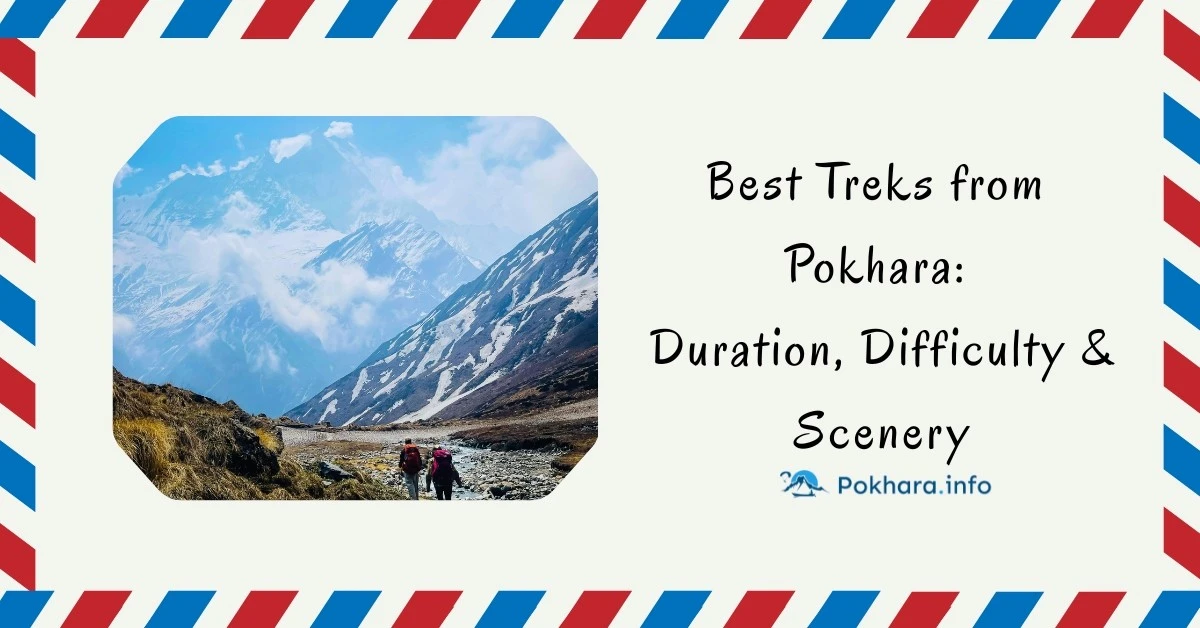
The Pokhara to Mardi Himal Trek is one of Nepal's best short Himalayan adventures. It combines beautiful rhododendron forests, quiet mountain trails, traditional villages, and spectacular close-up views of Machhapuchhre (Fishtail), Annapurna South, Hiunchuli, and Mardi Himal.
Mardi Himal remains comparatively peaceful. The trail follows forest ridges before climbing above the tree line into alpine grasslands, eventually reaching Mardi Himal Base Camp at 4,500 meters.
Along the way, every day's scenery changes dramatically, making it one of the most rewarding short treks in the Annapurna region.
Its proximity to Pokhara is another major advantage. The trailhead is only a short drive from the city, allowing trekkers to complete the journey in as little as four days without requiring domestic flights or long transfers.
This makes Mardi Himal one of Nepal's most accessible high-altitude treks.
Whether you are visiting Nepal for the first time or looking for a quieter alternative to the country's famous trekking routes, the Mardi Himal Trek offers an excellent balance of adventure, mountain scenery, and cultural experiences.
Where is Mardi Himal?
Mardi Himal lies within the Annapurna Conservation Area in central Nepal.
Although the mountain itself rises to 5,587 meters, trekkers do not climb the summit. Instead, the trekking route ends at Mardi Himal Base Camp (4,500 m), which provides spectacular panoramic views of the surrounding Himalayan peaks.
The trek begins from villages located just outside Pokhara, with Kande and Dhampus Phedi being the two most common starting points. Most itineraries finish by descending to Siding Village, where jeeps transport trekkers back to Pokhara.
Because the starting point is less than an hour from Pokhara, there is very little time spent on transportation compared to many other trekking destinations in Nepal.
Why Choose the Pokhara to Mardi Himal Base Camp Trek?
Many trekking routes in Nepal require two weeks or more to complete. Mardi Himal is different. It delivers breathtaking Himalayan scenery in less than a week, making it ideal for travelers with limited time.
Some of the biggest reasons people choose Mardi Himal include:
Close-up views of Machhapuchhre (Fishtail Mountain)
Panoramic views of Annapurna South, Hiunchuli and Mardi Himal
Less crowded trails than Annapurna Base Camp
Easy access from Pokhara
Suitable for moderately fit beginners
Comfortable tea house accommodation throughout the route
Excellent sunrise and sunset viewpoints
Beautiful rhododendron forests during spring
The trail also offers a greater sense of solitude. While you will still meet other trekkers during the peak seasons, the experience feels far more peaceful than Nepal's busiest trekking routes.
Pokhara to Mardi Himal Base Camp Trek Route
Although several variations exist, the classic route follows this sequence:
[Pokhara] to [Kande] to [Australian Camp] to [Forest Camp] to [Low Camp] to [Badal Danda] to [High Camp] to [Mardi Himal Base Camp] to [High Camp] to [Siding] to [Pokhara]
Some trekkers also begin from Dhampus Phedi, combining Dhampus Village with Australian Camp before joining the main trail.
The ascent follows forest trails for the first two days before entering alpine terrain. After reaching Base Camp, the descent takes a different route through Siding Village, creating a more varied trekking experience rather than returning the same way.
Pokhara to Mardi Himal Base Camp Trek Itinerary
Depending on your schedule and fitness level, the trek can comfortably be completed in 4, 5, or 6 days.
4-Day Mardi Himal Trek
Day 1: Pokhara to Kande to Trek to Forest Camp
Drive: 45 to 60 minutes
Trek: 5 to 6 hours
After a short drive from Pokhara to Kande, begin trekking through Australian Camp and Pothana before entering dense rhododendron forests. Continue climbing to Forest Camp, where you'll spend the night.
Day 2: Forest Camp to High Camp
Trek: 6 to 7 hours
Today's trail gradually leaves the forest behind as spectacular mountain views begin to appear. Pass through Low Camp and Badal Danda before reaching High Camp.
The views of Machhapuchhre become increasingly impressive throughout the day.
Day 3: High Camp to Mardi Himal Base Camp to Siding
Trek: 8 to 10 hours
Start before sunrise for the climb to Mardi Himal Base Camp. After enjoying panoramic views of the Annapurna range, descend back through High Camp before continuing down to Siding Village for the night.
Day 4: Siding to Pokhara
Trek: 1 to 2 hours
Jeep Ride: Approximately 2 to 3 hours
Take a short walk to the jeep pickup point before returning to Pokhara.
5-Day Mardi Himal Trek
A five-day itinerary allows a slower ascent and provides better altitude acclimatization.
Day 1: Pokhara to Kande to Forest Camp
Day 2: Forest Camp to Low Camp
Day 3: Low Camp to High Camp
Day 4: High Camp to Mardi Himal Base Camp to Badal Danda
Day 5: Badal Danda to Siding to Pokhara
This option is ideal for photographers and trekkers who prefer shorter walking days.
6-Day Mardi Himal Trek
For those wanting a more relaxed experience, six days offers the most comfortable itinerary.
Day 1: Pokhara to Dhampus to Pothana
Day 2: Pothana to Forest Camp
Day 3: Forest Camp to Low Camp
Day 4: Low Camp to High Camp
Day 5: High Camp to Mardi Himal Base Camp to Low Camp
Day 6: Low Camp to Siding to Pokhara
This itinerary provides more time to enjoy the scenery while reducing daily walking distances.
Trek Highlights
The Mardi Himal Trek offers a diverse trekking experience despite its relatively short distance.
Walk through Dense Rhododendron Forests
The lower section of the trail passes through thick forests filled with rhododendron, oak, maple, and bamboo trees. During spring, thousands of blooming rhododendrons transform the hillsides into vibrant shades of red, pink, and white.
Enjoy One of Nepal's Best Ridge Walks
After reaching Low Camp, the trail gradually climbs along a narrow mountain ridge. Unlike forest trekking, this section provides continuous panoramic views on both sides, making it one of the most scenic ridge walks in Nepal.
Spectacular Machhapuchhre Views
Few trekking routes bring you this close to Machhapuchhre (6,993 m), Nepal's sacred "Fishtail Mountain." The mountain dominates the skyline for much of the trek, especially between High Camp and Base Camp.
Reach Mardi Himal Base Camp (4,500 m)
The final ascent is undoubtedly the highlight of the trek. Although the climb begins before sunrise for many trekkers, the reward is unforgettable.
Standing at Mardi Himal Base Camp, you are surrounded by towering Himalayan giants, including Annapurna I, Annapurna South, Hiunchuli, Gangapurna, Machhapuchhre, and Mardi Himal itself.
On clear mornings, the sunrise paints the snow-covered peaks in shades of gold and orange, creating one of the finest mountain panoramas in Nepal.
Experience Traditional Mountain Villages
The trek also passes through small Gurung and Magar settlements, where traditional lifestyles remain largely unchanged. Villages such as Dhampus, Forest Camp, and Siding offer opportunities to experience local hospitality while staying in family-operated tea houses.
Preparing for Mardi Himal Base Camp Trek
How Difficult is the Mardi Himal Trek?
The Mardi Himal Trek is generally considered a moderate trek. It does not require technical climbing or mountaineering skills, but it involves several consecutive days of uphill walking, high altitude, and long trekking hours.
Most days involve between 5 and 7 hours of walking, with the hike to Base Camp often lasting 8 to 9 hours including the return to High Camp.
Trekkers should expect:
Continuous uphill climbs
Stone staircases
Narrow ridge sections
Rocky mountain trails
High altitude above 3,500 meters
Good physical fitness is recommended, although previous high-altitude trekking experience is not essential.
For beginners who prepare adequately and maintain a comfortable pace, Mardi Himal is an achievable Himalayan trek.
Who is This Trek Suitable For?
The Pokhara to Mardi Himal Trek is ideal for:
First-time Himalayan trekkers with good fitness
Solo travelers (preferably with a guide)
Couples
Small trekking groups
Adventure travelers visiting Pokhara
Photographers
Nature lovers
It may be less suitable for very young children or travelers with serious heart or respiratory conditions due to the altitude.
Altitude and Safety
Although Mardi Himal is considered a moderate trek, altitude should never be underestimated.
Mardi Himal Base Camp sits at 4,500 meters, where oxygen levels are significantly lower than at sea level. Some trekkers may experience mild symptoms of Acute Mountain Sickness (AMS), including headache, fatigue, nausea, loss of appetite, and difficulty sleeping.
To reduce the risk:
Ascend gradually.
Drink plenty of water.
Avoid alcohol.
Eat regular meals.
Descend immediately if symptoms become severe.
A slower five- or six-day itinerary generally provides better acclimatization than completing the trek in four days.
Best Time for the Pokhara to Mardi Himal Trek
The Mardi Himal Trek can be completed throughout the year, but weather conditions vary significantly between seasons. Choosing the right time can make a big difference to mountain views, trail conditions, and your overall experience.
Spring (March to May) to Best for Flowers and Clear Weather
Spring is one of the most popular seasons for the Mardi Himal Trek. The weather is generally stable, daytime temperatures are comfortable, and the forests come alive with blooming rhododendrons.
Higher sections of the trail usually remain snow-free by late March, while the clear skies offer excellent views of Machhapuchhre and the Annapurna range.
Pros
Blooming rhododendron forests
Pleasant daytime temperatures
Clear mountain views
Excellent photography conditions
Cons
Busy tea houses during April
Advance booking may be required during peak weeks
Autumn (September to November) to Best Overall Season
Autumn is widely regarded as the best time to trek in Nepal. After the monsoon, the skies become exceptionally clear, offering the year's best mountain visibility.
Comfortable temperatures and dry trails make this season ideal for both beginners and experienced trekkers.
Pros
Crystal-clear Himalayan views
Dry and stable weather
Comfortable trekking conditions
Best sunrise and sunset photography
Cons
Most popular trekking season
Tea houses can fill quickly during October
Winter (December to February)
Winter offers peaceful trails and spectacular snow-covered landscapes. While the lower sections remain accessible, snowfall near High Camp and Mardi Himal Base Camp can make trekking more demanding.
Temperatures frequently drop below freezing at night. Winter is suitable for experienced trekkers who are properly equipped for cold weather.
Monsoon (June to August)
The monsoon transforms the forests into lush green landscapes, but frequent rainfall creates slippery trails and increases the risk of landslides. Mountain views are often hidden behind clouds, making this the least popular trekking season.
However, experienced trekkers seeking solitude may still enjoy the route during breaks in the weather.
Permits Required for the Mardi Himal Trek (2026)
The Mardi Himal Trek lies inside the Annapurna Conservation Area, so all foreign trekkers must obtain an Annapurna Conservation Area Permit (ACAP) before starting the trek.
The former TIMS card is generally not required for independent trekkers on this route under the current permit system. However, permit requirements and trekking regulations can change, so it is advisable to verify the latest rules before your trip or consult your trekking agency if you are booking a guided trek.
Carry your passport and permit with you, as checkpoints along the trail may request them.
Planning Your Mardi Himal Base Camp Trek
Accommodation on the Mardi Himal Trek
Tea houses are available throughout the route, providing simple but comfortable accommodation.
Most rooms include:
Twin beds
Blankets
Shared bathrooms
Dining hall with heating stove
Charging facilities (usually for an additional fee)
Accommodation becomes more basic as altitude increases, especially at High Camp. During spring and autumn, booking through a trekking agency is recommended because tea houses can fill quickly.
Food Available on the Trail
Tea houses serve a surprisingly varied menu. Common meals include: Dal Bhat, Fried rice, Noodles, Momos, Pasta, Pancakes, Soup, Omelets, Tea and Coffee.
Dal Bhat remains the most popular choice among trekkers because it is nutritious, filling, and often comes with free refills in many tea houses.
As you climb higher, food prices gradually increase because supplies must be transported by porters or mules.
Pokhara to Mardi Himal Trek Cost (2026)
The total cost depends on whether you trek independently or book a guided package.
Independent Trek
Permits
Transportation
Accommodation
Meals
Estimated Cost: USD 250 to 350 per person
Guided Trek
Usually includes:
Licensed guide
Accommodation
Transportation
Permit assistance
Estimated Cost: USD 350 to 500 per person
Hiring a porter will increase the overall cost but can make the trek considerably more comfortable.
What to Pack
A lightweight backpack is ideal for this trek.
Clothing
Moisture-wicking shirts
Trekking pants
Fleece jacket
Down jacket
Waterproof shell
Gloves
Warm hat
Hiking socks
Footwear
Broken-in trekking boots
Comfortable sandals for evenings
Essentials
Trekking poles
Headlamp
Water bottles or hydration bladder
Water purification tablets or filter
Sunscreen
Sunglasses
Personal medications
Power bank
Passport and permits
Small first-aid kit
Internet, Electricity and Mobile Network
Most tea houses provide electricity for charging electronic devices, although charging often requires an additional fee.
Wi-Fi is available at many lodges but becomes less reliable as you gain altitude.
Mobile coverage is available in several sections of the trail but cannot be guaranteed throughout the entire trek.
Downloading offline maps before leaving Pokhara is highly recommended.
Responsible Trekking
Help preserve the Annapurna region by following responsible trekking practices.
Carry a reusable water bottle.
Avoid single-use plastics.
Stay on established trails.
Respect local customs and traditions.
Dispose of waste properly.
Support locally owned tea houses and guides.
Responsible travel helps protect both the environment and the communities that make this trek possible.
Final Thoughts
The Pokhara to Mardi Himal Trek is proof that you do not need weeks in the Himalayas to experience world-class trekking.
In just a few days, the trail takes you from lush subtropical forests to alpine ridges and finally to one of Nepal's finest viewpoints at Mardi Himal Base Camp. Along the way, you'll enjoy welcoming tea houses, authentic mountain hospitality, and uninterrupted views of Machhapuchhre and the Annapurna range.
Whether you choose a fast four-day itinerary or a more relaxed six-day journey, Mardi Himal offers an outstanding combination of accessibility, scenery, and adventure. For trekkers looking for a rewarding short trek from Pokhara, it remains one of the best choices in Nepal.
Frequently Asked Questions
How long is the Pokhara to Mardi Himal Trek?
Most trekkers complete the trek in 4 to 6 days, depending on their itinerary and walking pace.
What is the highest point of the trek?
The highest point is Mardi Himal Base Camp (4,500 m).
Is the Mardi Himal Trek difficult?
The trek is considered moderate. No technical climbing is required, but trekkers should be prepared for long uphill sections and high altitude.
Do I need a guide?
A guide is highly recommended for safety, local knowledge, and logistical support. Trekking regulations may also change, so checking the latest requirements before your trip is advisable.
Are permits required?
Yes. Foreign trekkers require an Annapurna Conservation Area Permit (ACAP).
Can beginners do the Mardi Himal Trek?
Yes. Beginners with a reasonable level of fitness and proper preparation can successfully complete the trek.
Is there a risk of altitude sickness?
Yes. Since the trek reaches 4,500 meters, mild altitude sickness is possible. Proper acclimatization and hydration help reduce the risk.
What is the best time to trek?
The best seasons are spring (March to May) and autumn (September to November), when weather conditions and mountain visibility are at their best.