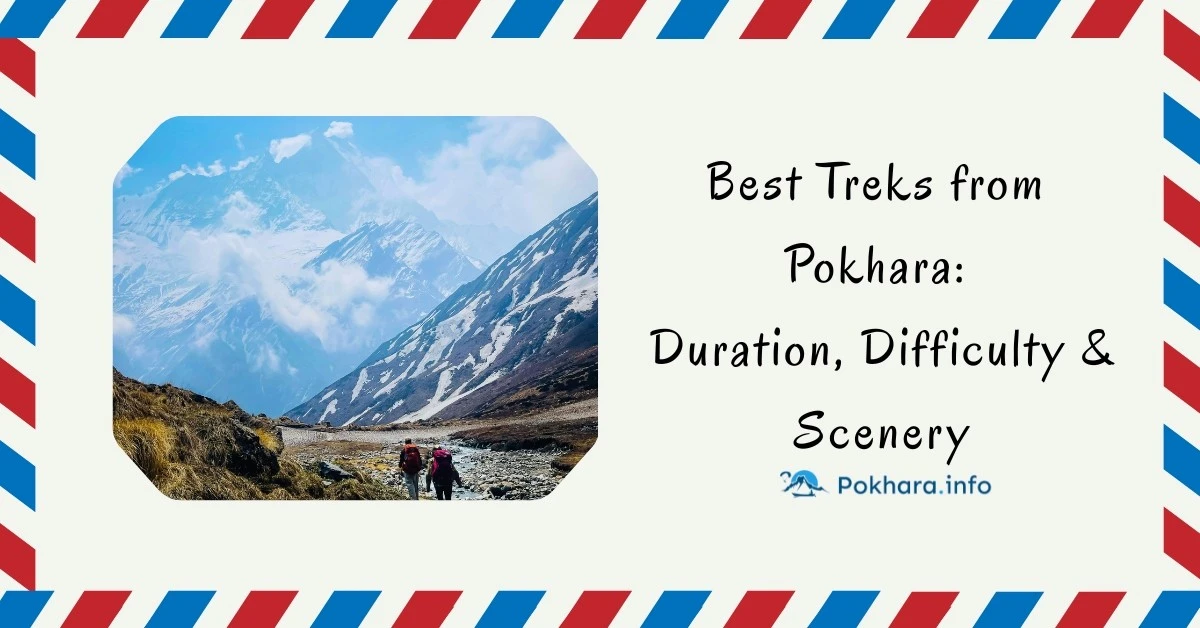
The Annapurna Base Camp Trek is one of Nepal's most famous Himalayan trekking adventures. Located inside the Annapurna Conservation Area, this trek takes travelers through traditional mountain villages, dense rhododendron forests, bamboo trails, glacier valleys, alpine landscapes, and finally into the heart of the Annapurna Sanctuary.
At approximately 4,130 meters above sea level, Annapurna Base Camp sits beneath some of the world's most iconic Himalayan peaks, including Annapurna I, Machhapuchhre (Fishtail), Hiunchuli, Annapurna South, and Gangapurna.
Unlike technical climbing expeditions, the Annapurna Base Camp Trek allows trekkers to experience dramatic high-altitude mountain scenery without mountaineering experience.
The trek has become increasingly popular among international travelers because it combines accessibility, natural beauty, cultural immersion, and relatively manageable trekking difficulty.
In comparison to some remote Himalayan expeditions, the Annapurna region has well-developed teahouse infrastructure, road connectivity, communication facilities, and reliable trekking support services.
For 2026, the Annapurna Base Camp Trek continues evolving with updated trekking regulations, changing transportation access, growing sustainability concerns, and increasing demand for licensed guides and organized trekking support.
This guide explains every major aspect of the Annapurna Base Camp Trek in detail, including permits, costs, trekking routes, itinerary planning, accommodation, food, weather, altitude sickness prevention, transportation, cultural etiquette, wildlife, internet access, and 2026 trekking updates.
Annapurna Base Camp Trek Quick Overview
Trek Name: Annapurna Base Camp Trek
Region: Annapurna Region, Nepal
Maximum Altitude: 4,130 meters
Trek Duration: 7 to 14 Days
Trek Difficulty: Moderate
Trek Type: Teahouse Trek
Starting Point: Pokhara
Ending Point: Pokhara
Best Seasons: Spring & Autumn
Accommodation: Teahouses & Lodges
Transportation: Bus, Jeep, Flight
Permit Required: ACAP
Typical Budget: USD 600 to USD 2,500
Daily Walking Hours: 4-7 Hours
Suitable For: Beginners to Experienced Trekkers
Why the Annapurna Base Camp Trek Is So Popular
The Annapurna Base Camp Trek has remained one of Nepal's most visited trekking routes for decades because it offers a complete Himalayan experience within a relatively short timeframe.
One of the biggest advantages of the Annapurna region is accessibility. Travelers can reach Pokhara by road or domestic flight from Kathmandu, avoiding complicated mountain flights required in some other trekking regions.
The trek also provides extraordinary geographical diversity. Trekkers pass through subtropical forests, terraced farmlands, waterfall trails, stone staircases, bamboo forests, glacial valleys, and snow-covered alpine terrain within only a few days.
Cultural experiences are equally important. Villages throughout the Annapurna region are primarily inhabited by Gurung and Magar communities, known for their hospitality, mountain traditions, and strong cultural identity.
The Annapurna Base Camp Trek is also considered achievable for many first-time trekkers. While physically demanding, it does not require ropes, ice climbing, or technical mountaineering skills.
Annapurna Base Camp Trek Route Overview
The classic Annapurna Base Camp route usually begins from Pokhara. Depending on road conditions and itinerary choices, trekkers drive toward Nayapul, Ghandruk, Jhinu Danda, or Siwai before beginning the main trekking section.
The route typically passes through:
Ghandruk
Chhomrong
Sinuwa
Bamboo
Dovan
Himalaya
Deurali
Annapurna Base Camp
The return journey usually follows the same trail before descending toward Jhinu Danda and Pokhara. Modern road construction has shortened portions of the traditional walking route, allowing trekkers to customize itinerary lengths.
Annapurna Base Camp Trek Difficulty
The Annapurna Base Camp Trek is categorized as a moderate Himalayan trek, but trekkers should not underestimate the physical demands.
Daily trekking involves:
Long walking hours
Continuous ascents and descents
Thousands of stone steps
Uneven terrain
High altitude conditions
Changing weather
The climb near Chhomrong and the stair sections around Ulleri are particularly demanding.
Although Annapurna Base Camp is lower than Everest Base Camp, altitude still affects many trekkers. Oxygen levels decrease significantly above 3,000 meters.
The trek is suitable for:
Moderately fit beginners
Experienced hikers
Adventure travelers
Solo trekkers with preparation
Older trekkers in good health
Proper training before the trek is strongly recommended.
Annapurna Base Camp Trek Altitude Profile
Pokhara: 822m
Ghandruk: 1,940m
Chhomrong: 2,170m
Bamboo: 2,310m
Dovan: 2,600m
Deurali: 3,230m
Annapurna Base Camp: 4,130m
Altitude gain should always be taken seriously. Even healthy trekkers may experience mild altitude symptoms.
Updated 2026 Annapurna Trekking Rules
Nepal has continued updating trekking management systems in recent years.
Guide Requirements
Foreign trekkers are increasingly encouraged to hire licensed trekking guides for safety, navigation, permit management, rescue coordination, and emergency communication.
While some independent trekking still occurs in the Annapurna region, most organized trekking operators now strongly recommend guided trekking.
Guides are particularly useful because:
Trails occasionally change due to landslides
Weather conditions shift rapidly
Rescue procedures become easier
Local knowledge improves safety
Accommodation management becomes simpler during peak seasons
Annapurna Conservation Area Permit (ACAP)
Trekkers entering the Annapurna region require an ACAP permit.
Estimated 2026 Permit Fees:
Foreign Nationals: NPR 3,000
SAARC Nationals: NPR 1,000
Passport copies and photographs are commonly required during processing.
TIMS Card Situation
TIMS processing policies continue evolving depending on local tourism authority decisions and trekking agency systems. Trekkers should verify current procedures before departure.
Annapurna Base Camp Trek Itinerary (12 Days)
Day 1: Arrival in Kathmandu
Arrival, hotel transfer, permit preparation, and final gear check.
Day 2: Kathmandu to Pokhara
Travel by tourist bus or domestic flight.
Day 3: Pokhara to Jhinu Danda, Trek to Chhomrong
Drive toward the trailhead and begin trekking through terraced villages and suspension bridges.
Day 4: Chhomrong to Bamboo
Descend toward Chhomrong Khola before climbing through forest sections.
Day 5: Bamboo to Deurali
Gradual ascent through bamboo forests and alpine terrain.
Day 6: Deurali to Annapurna Base Camp
Pass Machhapuchhre Base Camp and enter Annapurna Sanctuary.
Day 7: Annapurna Base Camp to Bamboo
Descend through glacier valley sections and forest trails.
Day 8: Bamboo to Jhinu Danda
Continue descending and enjoy natural hot springs.
Day 9: Jhinu Danda to Pokhara
Drive back to Pokhara.
Day 10: Rest Day in Pokhara
Recovery and sightseeing.
Day 11: Pokhara to Kathmandu
Return journey.
Day 12: Final Departure
Airport transfer and departure.
Annapurna Base Camp Trek Cost in 2026
Annapurna trek costs vary based on trekking style, guide services, transportation, accommodation quality, and trip length.
Budget Trek
Estimated Cost: USD 600-900
Includes:
Shared transportation
Basic teahouses
Simple meals
Budget trekking style
Mid-Range Trek
Estimated Cost: USD 1,000-1,600
Includes:
Licensed guide
Better accommodation
More comfortable transportation
Organized logistics
Luxury Trek
Estimated Cost: USD 2,500+
Includes:
Premium hotels
Private jeep services
Helicopter options
Professional support teams
Typical Trekking Expenses
ACAP Permit: USD 25-30
Guide: USD 30-40 per day
Porter: USD 20-30 per day
Meals: USD 20-40 daily
Teahouse Room: USD 5-20
Hot Shower: USD 2-5
Charging Devices: USD 2-5
WiFi: USD 2-5
Gear Rental: USD 50-150
Travel Insurance: USD 80-250
Prices increase significantly at higher elevations.
Best Time for Annapurna Base Camp Trek
Spring (March to May)
Spring is one of the best trekking seasons in Nepal.
Advantages:
Blooming rhododendrons
Moderate temperatures
Clear mountain visibility
Stable weather
Disadvantages:
Crowded trails
Higher lodge demand
Autumn (September to November)
Autumn is considered the peak trekking season.
Advantages:
Crystal-clear mountain views
Dry trails
Comfortable temperatures
Excellent photography conditions
Disadvantages:
Busy trekking routes
Accommodation competition
Winter (December to February)
Winter trekking is quieter but colder.
Advantages:
Fewer tourists
Snow-covered landscapes
Peaceful trails
Disadvantages:
Cold nights
Snowfall risks
Possible avalanche concerns
Monsoon (June to August)
Monsoon trekking is challenging.
Advantages:
Lush greenery
Fewer trekkers
Disadvantages:
Leeches
Slippery trails
Landslides
Cloudy mountain views
Annapurna Base Camp Trek Travel Essentials
Accommodation on Annapurna Base Camp Trek
The Annapurna region has one of Nepal's best-developed teahouse systems.
Accommodation generally includes:
Twin-sharing rooms
Shared bathrooms
Dining halls
Basic blankets
Electricity access
Lower-altitude villages offer more comfortable facilities.
Higher elevations provide:
More basic conditions
Colder rooms
Limited water access
Shared sanitation facilities
Luxury lodges exist in lower sections but become limited higher on the route.
Peak seasons may require advance booking.
Food and Drinks During the Trek
Food availability throughout the Annapurna region is extensive.
Common meals include:
Dal bhat
Fried rice
Noodles
Pasta
Soups
Momos
Pancakes
Eggs
Potatoes
Tea and coffee
Dal bhat remains the preferred trekking meal because it provides balanced nutrition and unlimited refills in many teahouses.
Trekkers should drink plenty of water and avoid excessive alcohol consumption at altitude.
Drinking Water and Hydration
Hydration is critical during Himalayan trekking.
Safe options include:
Boiled water
Water purification tablets
Water filters
UV purification systems
Trekkers should avoid untreated river or tap water.
Reusable bottles are strongly recommended to reduce plastic waste.
Internet, Charging & Mobile Networks
Connectivity in the Annapurna region has improved significantly.
Many villages now provide:
WiFi access
Mobile signal coverage
Charging stations
However:
Speeds are often slow
Connectivity weakens at higher elevations
Charging usually costs extra
Weather can affect services
Power banks remain essential trekking equipment.
Annapurna Base Camp Trek Packing List
Essential Clothing
Base layers
Thermal wear
Down jacket
Waterproof jacket
Trekking pants
Warm gloves
Warm hat
Sun hat
Trekking socks
Trekking Gear
Trekking boots
Backpack
Rain cover
Trekking poles
Sleeping bag
Headlamp
Sunglasses
Safety & Health Items
First aid kit
Sunscreen
Lip balm
Personal medication
Water purification tablets
Altitude medicine if prescribed
Electronics
Power bank
Charging cables
Camera
Spare batteries
Packing light but efficiently is extremely important.
Altitude Sickness on ABC Trek
Altitude sickness is one of the most important health concerns.
Common symptoms include:
Headaches
Nausea
Fatigue
Dizziness
Appetite loss
Sleeping difficulty
Prevention Tips
Ascend gradually
Drink enough water
Avoid alcohol
Take rest breaks
Listen to your body
Descend if symptoms worsen
Comprehensive travel insurance covering helicopter evacuation is strongly recommended.
Wildlife and Natural Beauty of Annapurna Conservation Area
The Annapurna Conservation Area is Nepal's largest protected area.
Trekkers may encounter:
Rhododendron forests
Himalayan Monal birds
Langur monkeys
Himalayan tahr
Musk deer
Rare red pandas in forest areas
Landscape diversity changes dramatically throughout the trek.
Spring is particularly famous for colorful rhododendron blooms.
Cultural Experience During the Annapurna Base Camp Trek
The Annapurna Base Camp Trek provides meaningful cultural interaction alongside mountain scenery.
Trekkers pass through Gurung and Magar villages known for:
Stone-built homes
Mountain farming
Buddhist traditions
Traditional hospitality
Local food culture
Respecting local customs is important.
Trekkers should:
Dress respectfully
Ask permission before photographs
Respect monasteries and shrines
Support local businesses
Solo Trekking vs Guided Annapurna Trekking
Solo Trekking
Advantages:
Flexible schedule
Lower costs
Independent experience
Disadvantages:
Navigation responsibility
Higher safety risk
Difficult emergency coordination
Guided Trekking
Advantages:
Improved safety
Cultural interpretation
Easier logistics
Better emergency support
Disadvantages:
Higher overall cost
Less itinerary flexibility
Guided trekking is highly recommended for first-time Himalayan trekkers.
Transportation for Annapurna Base Camp Trek
Kathmandu to Pokhara
Tourist Bus
Affordable
6-8 hours
Scenic route
Domestic Flight
Around 25 minutes
Faster but weather-dependent
Pokhara to Trek Start Point
Options include:
Shared jeep
Local bus
Private jeep
Road conditions vary depending on weather and seasonal maintenance.
Responsible Trekking and Sustainable Tourism
Tourism growth has increased environmental pressure on the Annapurna region.
Responsible trekking includes:
Avoiding single-use plastic
Carrying reusable bottles
Staying on marked trails
Respecting wildlife
Supporting local businesses
Minimizing waste
Eco-conscious travel helps preserve the Annapurna region for future generations.
Is Annapurna Base Camp Trek Worth It?
For many travelers, the Annapurna Base Camp Trek becomes one of the most memorable experiences of their lives.
The trek combines:
Himalayan scenery
Cultural immersion
Physical challenge
Personal achievement
Natural diversity
The final arrival at Annapurna Base Camp, surrounded by massive Himalayan peaks and glacier landscapes, is often described as unforgettable.
Conclusion
The Annapurna Base Camp Trek continues to stand out as one of Nepal's most complete trekking experiences because it combines Himalayan scenery, accessible trekking infrastructure, diverse landscapes, and deep cultural experiences within a manageable trekking duration.
The route combines accessible Himalayan trekking with extraordinary scenery, rich cultural experiences, biodiversity, and personal accomplishment.
From terraced villages and rhododendron forests to glacier valleys and snow-covered mountain amphitheaters, the trek offers a complete Himalayan experience without requiring technical climbing skills.
Successful trekking depends on preparation, physical fitness, realistic budgeting, proper acclimatization, responsible travel behavior, and awareness of changing weather conditions.
For travelers seeking an unforgettable trekking experience in Nepal, Annapurna Base Camp continues to stand among the finest trekking routes in the Himalayas.
The trek is suitable for both experienced hikers and prepared beginners. With proper planning, physical preparation, realistic expectations, and responsible travel practices, the Annapurna Base Camp Trek can become a life-changing Himalayan adventure.
Annapurna Base Camp Trek FAQs
How difficult is the Annapurna Base Camp Trek?
The trek is considered moderate. Trekkers should have good stamina and basic fitness.
How many days are needed for Annapurna Base Camp Trek?
Most itineraries range between 7 and 14 days.
What is the maximum altitude of Annapurna Base Camp?
Annapurna Base Camp is located at approximately 4,130 meters.
Do I need a guide for Annapurna Base Camp Trek in 2026?
Guides are strongly recommended and increasingly common due to updated trekking management systems.
What permits are required?
Trekkers require the Annapurna Conservation Area Permit (ACAP).
What is the best season for Annapurna Base Camp Trek?
Spring and autumn are considered the best trekking seasons.
Is altitude sickness common on ABC Trek?
Yes. Some trekkers experience mild altitude symptoms above 3,000 meters.
Can beginners do Annapurna Base Camp Trek?
Yes. Beginners with preparation and proper pacing can complete the trek successfully.
What is the average cost of ABC Trek in 2026?
Costs usually range from USD 600 to USD 2,500 depending on trekking style.
Is Annapurna Base Camp Trek safe?
Yes, when completed with proper preparation, weather awareness, and acclimatization.
Can I charge my phone during the trek?
Yes. Most teahouses offer charging services for additional fees.
Is WiFi available on the route?
Yes, but speeds can be limited at higher elevations.
What kind of accommodation is available?
The route mainly uses teahouses and mountain lodges.
Is drinking water safe?
Water should always be purified before drinking.
Can I trek during winter?
Yes, but winter trekking requires proper cold-weather preparation.
Are ATMs available on the route?
ATMs are reliable in Pokhara but limited in higher trekking areas.
How cold does Annapurna Base Camp get?
Temperatures often fall below freezing at night.
Do teahouses provide blankets?
Yes, but carrying a sleeping bag is still recommended.
Is travel insurance necessary?
Yes. Insurance covering high-altitude trekking and helicopter evacuation is strongly recommended.
What are the major highlights of the trek?
Highlights include Annapurna Sanctuary, Machhapuchhre views, rhododendron forests, Gurung villages, Poon Hill sunrise, and natural hot springs.