The Gosainkunda Lake Trek is one of Nepal's most rewarding short Himalayan adventures. Combining stunning mountain scenery, ancient pilgrimage traditions, alpine landscapes, and high-altitude trekking, it offers an experience that feels very different from the more commercial trekking routes in the Annapurna and Everest regions.
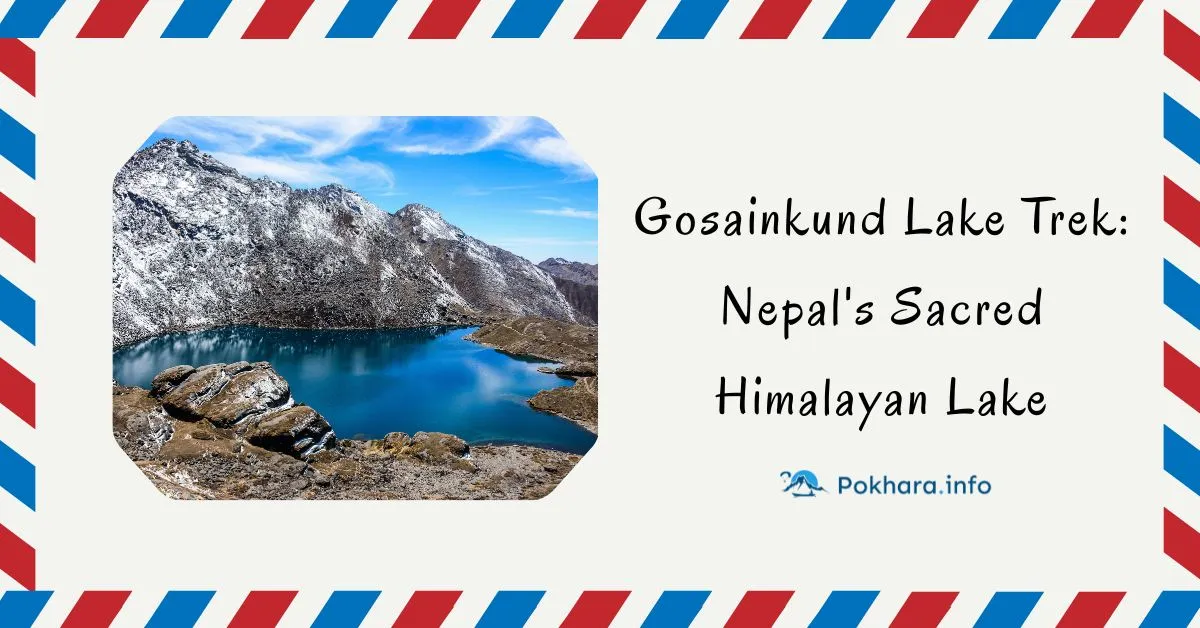
Situated within the protected boundaries of the Langtang National Park, Gosainkunda is a sacred glacial lake located at an altitude of approximately 4,380 meters (14,370 feet). Surrounded by rugged peaks and alpine ridges, the lake attracts both trekkers and religious pilgrims throughout the year.
For many visitors, the trek represents the perfect balance between accessibility and wilderness. Unlike longer Himalayan expeditions that require weeks of walking, the Gosainkunda Trek can be completed in less than a week while still providing a genuine high-altitude mountain experience.
This guide covers everything you need to know for trekking to Gosainkunda, including permits, costs, itinerary options, difficulty, accommodation, altitude concerns, transportation, packing lists, and trekking regulations.
Gosainkunda Trek Quick Facts
Region: Langtang Region
Trek Duration: 4-8 Days
Trek Distance: Approximately 35-50 km
Maximum Elevation: 4,610 m (Lauribina Pass Area)
Lake Elevation: 4,380 m
Difficulty: Moderate
Starting Point: Dhunche or Syabrubesi
Closest City: Kathmandu
Accommodation: Tea Houses
Best Seasons: Spring and Autumn
Required Permits: Langtang National Park Entry Permit
Guide Requirement: Licensed guide highly recommended; regulations may vary depending on current tourism policies
Highest Risk: Altitude Sickness
What Makes Gosainkunda Special?
Many Himalayan treks are famous for mountain views. Gosainkunda stands apart because it combines natural beauty with deep spiritual significance.
Unlike purely adventure-focused destinations, Gosainkunda is considered one of Nepal's most sacred pilgrimage sites. Hindu and Buddhist traditions both revere the lake, creating a unique cultural atmosphere that cannot be found on many other trekking routes.
The lake itself remains frozen during much of winter and reflects surrounding snow-covered peaks during spring and autumn. On calm days, the water creates mirror-like reflections of the mountains, producing some of the most photogenic scenery in Nepal.
Trekkers also enjoy the transition through multiple ecological zones, beginning in forested hills and ending in a harsh alpine environment above the tree line.
Religious and Cultural Importance of Gosainkunda
The importance of Gosainkunda extends far beyond trekking.
According to Hindu mythology, the lake was created by Lord Shiva after he consumed poison during the cosmic event known as Samudra Manthan. Seeking relief from the intense heat caused by the poison, Shiva struck the mountains with his trident, creating the sacred lake.
Because of this legend, thousands of pilgrims travel to Gosainkunda every year during the festival of Janai Purnima.
During the festival:
Hindu pilgrims take ritual baths
Priests conduct religious ceremonies
Temporary camps appear around the lake
Traditional music and cultural celebrations take place
Buddhist communities in the Langtang region also regard the lake as a sacred spiritual site.
This combination of faith, culture, and nature gives Gosainkunda a distinctive identity among Nepal's trekking destinations.
Where Is Gosainkunda Located?
Gosainkunda lies in Nepal's Rasuwa District within the Langtang region. The trekking route begins north of Kathmandu and travels through mountainous terrain bordering Tibet.
Key distances include:
Kathmandu to Dhunche: Approximately 115 km
Dhunche to Gosainkunda: Approximately 17 km one way
Pokhara to Kathmandu: Approximately 200 km
Pokhara to Dhunche: Approximately 315 km
Travelers coming from Pokhara generally travel to Kathmandu first before continuing toward Dhunche.
Can You Start the Gosainkunda Trek from Pokhara?
Technically, yes. However, there is no direct trekking route from Pokhara to Gosainkunda.
Most trekkers follow this transportation route: Pokhara to Kathmandu to Dhunche to Gosainkunda
The journey usually requires:
Tourist bus
Public bus
Private jeep
Domestic vehicle transfer
Travel time from Pokhara to the trailhead can take 10 to 14 hours depending on road conditions and transportation choices. Because of this, many trekkers spend one night in Kathmandu before traveling to Dhunche.
Drive Combined with Trek
Drive combined with a trek is one of the popular options to reach from Pokhara to Gosaikunda Lake.
You can hire a private vehicle or take a public bus to Dhunche, which is the gateway to the Gosainkunda Trek. The scenic drive provides an opportunity to glimpse the changing terrain as you ascend to the Langtang region.
From Dhunche, your trekking adventure officially begins, leading you to the Lake. The trail leads you through lush forests, terraced fields, charming villages, and alpine meadows.
By Helicopter
For those with time or physical limitations, Pokhara to Gosainkunda Lake by helicopter is a convenient and easy option.
Helicopter tours provide an aerial view of the breathtaking Langtang region, and land near the lake, saving you days of trekking. This luxurious approach allows you to appreciate the high-altitude wilderness without the physical demands of a long trek.
No matter which mode of transportation you choose, Gosainkunda Lake promises a memorable and awe-inspiring experience. Each approach offers its batch of advantages.
Gosainkunda Trek Highlights
The trek offers a surprisingly diverse range of experiences despite its relatively short duration.
Major highlights include:
Sacred Alpine Lakes
Gosainkunda is actually part of a larger network of high-altitude lakes.
Important lakes include:
Gosainkunda
Bhairab Kunda
Saraswati Kunda
Surya Kunda
Mountain Views
Trekkers can see impressive Himalayan peaks including:
Langtang Lirung
Ganesh Himal
Manaslu
Annapurna range on clear days
Tibetan mountain ranges
Forests and Wildlife
The lower trail passes through:
Rhododendron forests
Oak forests
Pine forests
Bamboo zones
Wildlife sightings occasionally include:
Red Panda
Himalayan Tahr
Musk Deer
Himalayan Monal pheasants
Cultural Encounters
Visitors pass through villages inhabited by:
Tamang communities
Sherpa communities
Tibetan-influenced settlements
Gosainkunda Trek Difficulty
The Gosainkunda Trek is generally classified as a moderate trek.
Most healthy individuals with reasonable fitness can complete it successfully. However, difficulty should not be underestimated.
The challenge comes primarily from:
Rapid altitude gain
Steep uphill climbs
Rocky terrain
Cold temperatures
Thin air above 3,500 meters
Sections and Difficulty Levels
The initial part of the trekking journey involves a mix of flat terrains and gradual ascents. As you ascend, the trail becomes steeper.
The path is a moderate to challenging level of difficulty, especially as you gain altitude. Some sections of this trail have steep ascents and varying trail conditions.
Trekkers should be prepared physically for this trekking journey.
Elevation Gain and Trail Conditions
The initial elevation gain is gradual in the Pokhara to Gosainkunda allowing trekkers for acclimatization. Trail conditions are generally well-defined.
Later, the elevation gain becomes more pronounced, and the trail becomes rocky and uneven. You can expect a stretch that involves a significant elevation gain, steep ascents and descents, and some sections with loose gravel throughout your trekking journey.
Unlike Annapurna Base Camp, where altitude gain occurs over a longer period, Gosainkunda reaches high elevations relatively quickly. This increases the likelihood of altitude-related symptoms.
Who Can Do This Trek?
Suitable for:
Beginners with good fitness
Experienced hikers
Solo travelers
Photography enthusiasts
Religious pilgrims
Less suitable for:
Individuals with serious heart conditions
People with severe respiratory issues
Those unable to walk 5-7 hours daily
Altitude and Acclimatization
The highest sleeping altitude is around 4,380 meters. At this elevation, oxygen levels are significantly lower than at sea level.
Common symptoms may include:
Headache: An early warning sign, often presenting as a persistent and throbbing headache.
Nausea and Vomiting: Feelings of queasiness or experiencing vomiting sensations.
Dizziness: Sensations of feeling lightheaded or unsteady on your feet.
Shortness of Breath: Difficulty in breathing, especially noticeable during exertion.
Insomnia: Difficulty in sleeping is a common symptom experienced at higher altitudes.
Proper acclimatization strategies include:
Gradual Ascent: Ascend slowly, allowing your body to acclimatize to the decreasing oxygen levels.
Hydration: Drink plenty of water and fluids to stay hydrated, but avoid excessive caffeine and alcohol consumption.
Rest Days: Integrate rest days into your trek itinerary to allow your body enough time to adjust to the altitude.
Proper Nutrition: Maintain a well-balanced diet, rich in carbohydrates and low in fat, to support your body’s energy needs.
If symptoms worsen, immediate descent is necessary. Altitude illness should never be ignored.
In the event of altitude sickness symptoms, consider these common remedies:
Descend if Symptoms Persist: If symptoms worsen, descending to a lower altitude is the most effective remedy.
Medication: Acetazolamide (Diamox) can aid in preventing and alleviating symptoms. However, it is crucial to consult a healthcare professional before use.
Supplemental Oxygen: In severe cases, supplemental oxygen should be used to minimize the symptoms of altitude sickness.
Seek medical help if you experience:
Severe Symptoms: If symptoms are severe and persist despite descending and other remedies, seek medical attention immediately.
High Altitude Pulmonary Edema (HAPE) or Cerebral Edema (HACE): Conditions such as HAPE (fluid in the lungs) or HACE (swelling of the brain) necessitate immediate medical intervention.
Gosainkunda Trek Permits in 2026
Permit requirements change occasionally, so trekkers should verify the latest regulations before departure.
As of 2026, most foreign trekkers generally require:
Langtang National Park Entry Permit
Approximate park entry fee:
Foreign nationals: NPR 3,000
SAARC nationals: NPR 1,500
Nepali citizens: Lower local fee
TIMS Card
The TIMS system has undergone multiple policy changes over recent years. Depending on the trekking regulations in effect during your travel period, TIMS requirements may differ.
Always confirm current permit requirements with:
Licensed trekking agencies
Trekking guides
Best Time for the Gosainkunda Trek
Spring (March-May)
Spring is one of the most popular seasons.
Advantages include:
Rhododendron blooms
Stable weather
Moderate temperatures
Clear mountain views
Day temperatures remain comfortable while nights are cold but manageable.
Autumn (September-November)
Autumn is widely considered the best trekking season.
Benefits include:
Excellent visibility
Dry trails
Comfortable temperatures
Spectacular mountain views
October often offers the clearest skies of the year.
Winter (December-February)
Winter trekking is possible but challenging.
Expect:
Heavy snowfall
Frozen lakes
Sub-zero temperatures
Closed lodges in some areas
Only experienced trekkers should consider winter conditions.
Monsoon (June-August)
Monsoon presents several challenges:
Landslides
Muddy trails
Reduced visibility
Transportation delays
However, Janai Purnima pilgrimage season occurs during this period.
Recommended 5-Day Gosainkunda Trek Itinerary
Day 1: Kathmandu to Dhunche
Drive approximately 6-8 hours.
Altitude: 1,950 m
Day 2: Dhunche to Chandanbari
Walking Time: 5-6 hours
Altitude: 3,250 m
Day 3: Chandanbari to Gosainkunda
Walking Time: 5-6 hours
Altitude: 4,380 m
Explore the sacred lakes.
Day 4: Gosainkunda to Dhunche
Walking Time: 7-8 hours
Descend through alpine and forest zones.
Day 5: Dhunche to Kathmandu
Return by road.
Accommodation on the Trek
Accommodation consists mainly of tea houses.
Typical facilities include:
Twin-sharing rooms
Shared toilets
Dining halls
Basic electricity
Limited internet access
As altitude increases, accommodation becomes simpler. Luxury lodging should not be expected.
Food Available on the Trek
Tea houses offer a surprisingly extensive menu.
Popular meals include:
Breakfast: Tibetan bread, Pancakes, Porridge, Eggs, Toast
Lunch and Dinner: Dal Bhat, Fried rice, Noodles, Momos, Pasta, Soup, Potatoes
Dal Bhat remains the most practical choice because it provides high calories and unlimited refills in many tea houses.
Gosainkunda Trek Cost in 2026
Actual expenses vary depending on season, transportation, guide services, and accommodation choices.
Budget Independent Trek
Approximate Cost: NPR 20,000-35,000
Guided Trek
Approximate Cost: USD 350-900+
Typically includes: Transportation, Accommodation, Meals, Guide services, Permit assistance
Helicopter Tour
Depending on group size and operator: USD 300-1,000+ per person
Essential Packing List
Clothing: Base layers, Fleece jacket, Down jacket, Waterproof shell, Trekking pants, Thermal underwear
Footwear: Trekking boots, Camp shoes, Wool socks
Equipment: Trekking poles, Sleeping bag, Headlamp, Power bank, Water bottles
Health and Safety: Personal medications, Water purification tablets, Sunscreen, Lip balm, First aid kit
Responsible Trekking Practices
The Gosainkunda region is environmentally sensitive.
Trekkers should:
Carry reusable bottles
Avoid plastic waste
Stay on established trails
Respect religious sites
Support local businesses
Follow national park regulations
Responsible tourism helps preserve the area for future generations.
Final Thoughts
The Gosainkunda Lake Trek remains one of Nepal's most underrated Himalayan adventures. While it lacks the global fame of Everest Base Camp or Annapurna Base Camp, it offers something equally valuable: a powerful combination of sacred heritage, dramatic mountain landscapes, alpine lakes, and authentic local culture.
Its relatively short duration makes it accessible to travelers with limited time, while the high-altitude environment provides a genuine Himalayan trekking experience. Whether you are drawn by religious significance, mountain photography, wildlife, or adventure, Gosainkunda delivers an unforgettable journey into one of Nepal's most spiritually important landscapes.
Frequently Asked Questions (FAQs)
1. How difficult is the Gosainkunda trek?
The Gosainkunda trek is considered to be a moderately challenging trek. However, the difficulty level of the Gosainkunda trek may vary depending on your fitness. The trail involves steep ascents and descents, rocky paths, and high-altitude terrain, which can be physically demanding. It is advisable to be in good physical shape and have prior trekking experience before trying this trail. Finally, proper acclimatization is necessary to prevent altitude-related issues.
2. Where does Gosainkunda Lake lie?
Gosainkunda is situated inside the premises of Langtang National Park, in the Rasuwa District of Nepal. The lake is located at an altitude of approximately 4,380 meters above sea level.
3. Which God is Worshipped in Gosainkunda?
Gosainkunda is primarily associated with Lord Shiva, the Hindu deity. Therefore, the lake holds deep religious significance for Hindus, and it is believed to be one of Lord Shiva’s abodes. During the sacred festival of Janai Purnima in August, devotees from both Hindu and Buddhist traditions undertake a pilgrimage to pay homage to Lord Shiva and take a holy dip in the lake.
4. What is the highest altitude of the Gosainkunda trek?
The highest point of the Gosainkunda trek is Lauribina Pass, which reaches an altitude of approximately 4,610 meters above sea level. This pass provides stunning panoramic views of the Himalayan mountains which is a significant milestone on the trek. Proper acclimatization is crucial when approaching this high altitude to minimize the risk of altitude sickness.
5. Can I complete the Gosaikunda trek in 3 days?
Except for the bus travel from Kathmandu to Dhunche and back, the Gosaikunda trek is indeed manageable in three days. After a six to seven-hour drive from Kathmandu, the trek officially begins at Dhunche. Three-day itinerary for Gosaikunda Lake:
Day 1: Dhunche to Sing Gompa
Day 2: Sing Gompa to Gosaikunda Lake
Day 3: Gosaikunda Lake to Dhunche
6. What is the distance from Kathmandu to Gosaikunda?
Gosaikunda is 121 kilometers away from Kathmandu collectively. To get to Dhunche, the starting point of the stroll, you would need to travel 116 kilometers by road, which could take six or seven hours. Gosaikunda Lake will then be reached after a 35-kilometer hike.
7. What is the walking distance from Dhunche to Gosaikunda Lake?
The trip takes three days to complete and covers a distance of about 35 km from Dhunche to Gosainkunda Lake. This remarkable hiking trip comes to an end with a transport back to Kathmandu from Dhunche.