Quick Overview
Trip Duration: 3 Days / 2 Nights
Trip Distance: Approximately 18 to 25 KM depending on route
Trip Grade: Easy
Max Altitude: 1,890M
Trip Cost: Starting from $150 to $500 depending on services
Trip Start: Pokhara
Trip End: Pokhara
Accommodation: Tea House
Best Season: Spring and Autumn
Trip Permits: TIMS & Annapurna Conservation Area Permit (ACAP)
Transportation: Public Bus / Jeep
Guide: Licensed guide recommended (mandatory regulations may vary according to Nepal tourism rules)
Introduction to Pokhara to Pothana Trek
Nestled near the stunning Annapurna Range, Pokhara is the gateway to extraordinary trekking experiences. As the second-largest city in Nepal, Pokhara is renowned for its serene lakes, majestic mountains, vibrant cultural scene, and access to many neighboring villages.
The Pokhara valley acts as the starting point for the enchanting journey towards the peaceful hill village of Pothana. Pothana is a hidden gem along the Mardi Himal trekking route, welcoming nature enthusiasts into the Annapurna Conservation Area.
Established as trekking tourism expanded in the Annapurna region during the 1970s, the village gradually developed into an important overnight stop for trekkers heading toward Mardi Himal and nearby mountain trails. Situated south of the Annapurna Range, Pothana offers a beautiful combination of natural scenery and cultural heritage.
The village reflects the traditional lifestyle of the Gurung communities while also adapting to the growing trekking culture of the region. Its peaceful atmosphere, mountain views, and warm hospitality create a trekking experience that feels both relaxing and immersive.
As you move along the Pokhara to Pothana trekking route, the trail passes through forests, hillside farms, terraced landscapes, and charming settlements. The journey is not physically demanding compared to major Himalayan expeditions, making it ideal for beginner trekkers, families, and travelers looking for a short but rewarding mountain adventure near Pokhara.
Where is Pothana?
Pothana is situated approximately 26 kilometers northwest of Pokhara valley inside the Annapurna Conservation Area of Nepal. The village lies at an altitude of approximately 1,890 meters above sea level and serves as one of the popular resting points for trekkers exploring the lower Annapurna trekking routes.
Despite being close to Pokhara, Pothana feels completely different from the city environment. The peaceful forests, traditional stone houses, and mountain scenery create a calm Himalayan atmosphere that attracts both domestic and international travelers.
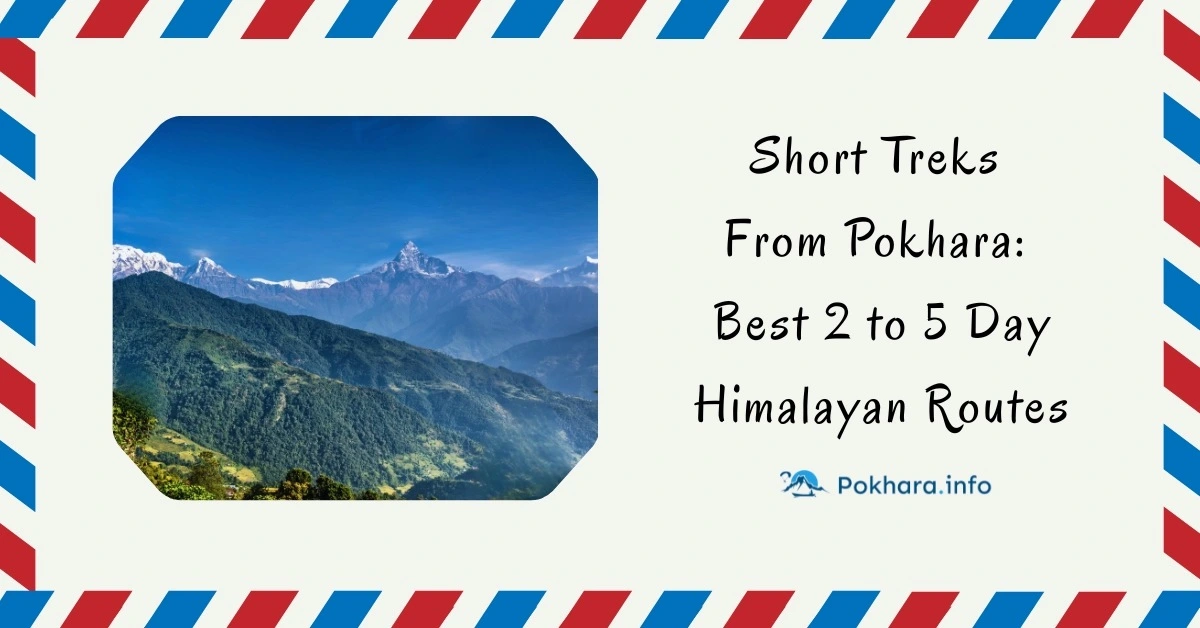
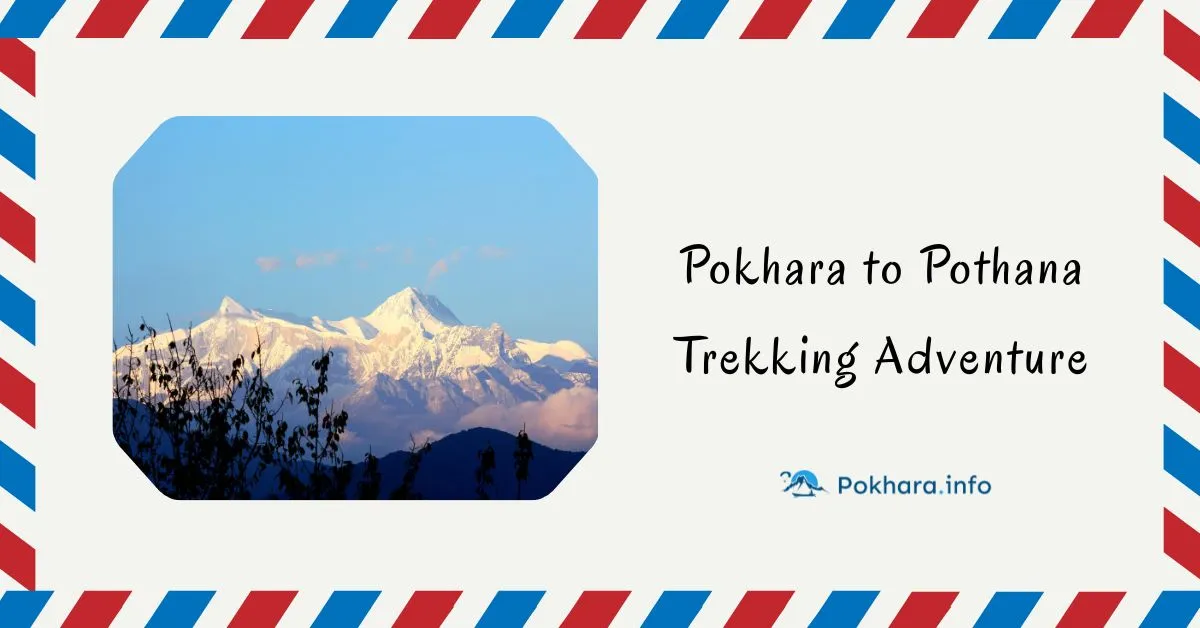
On clear days, visitors can witness stunning views of Annapurna South, Machhapuchhre (Fishtail), and Hiunchuli directly from the village area. Pothana is also strategically located between Dhampus and Deurali, making it an important stop for trekkers heading toward Mardi Himal Base Camp or Australian Camp routes.
Routes for Pokhara to Pothana Trek
Pokhara to Pothana Trek via Dhampus
The most popular route to Pothana begins with a short drive from Pokhara to Phedi. From Phedi, trekkers start hiking uphill through stone staircases, forest paths, and small villages before reaching Dhampus.
The route then continues gradually toward Pothana through scenic rhododendron and oak forests. Dhampus itself is a traditional Gurung village famous for panoramic Himalayan views and cultural experiences.
Many trekkers choose to spend a night in Dhampus before continuing toward Pothana. The trail between Dhampus and Pothana is relatively comfortable and suitable even for first-time trekkers.
Route Overview: Pokhara to Phedi to Dhampus to Pothana
Pokhara to Pothana via Ghandruk
Another culturally rich route toward Pothana passes through Ghandruk, one of the most famous Gurung villages in Nepal. This route begins with a drive from Pokhara to Nayapul followed by trekking through terraced farmlands, suspension bridges, forests, and mountain settlements.
Ghandruk is well known for its traditional architecture, local museums, and close-up mountain scenery. Trekkers following this route experience a deeper cultural journey through the Annapurna region before eventually connecting toward Landruk, Deurali, and Pothana.
Compared to the Dhampus route, this option is longer and more physically demanding but provides broader exposure to the cultural and natural diversity of the Annapurna region.
Route Overview: Pokhara to Nayapul to Ghandruk to Landruk to Deurali to Pothana
Permit Required to Visit Pothana
Pokhara to Pothana Trek requires trekking permits for foreign trekkers entering the Annapurna Conservation Area. These permits are important for maintaining trekking records, supporting conservation efforts, and ensuring trekker safety in the mountain region.
Required Permits
TIMS (Trekkers' Information Management System) Card
Trekkers can obtain these permits from the Nepal Tourism Board offices in Pokhara or Kathmandu. Registered trekking agencies also assist travelers in processing permit documentation before the trek begins.
Approximate Permit Costs
TIMS Card: NPR 2,000 (may vary according to nationality and trekking type)
ACAP Permit: NPR 3,000 for foreign nationals
Travelers should carry passport copies and passport-sized photographs while applying for permits.
Highlights of Pokhara to Pothana Trek
Off-the-Beaten-Path Exploration
One of the most rewarding aspects of this trek is the opportunity to explore peaceful mountain trails away from crowded tourist areas. The route passes through small villages and forest sections where trekkers can experience the slower pace of Himalayan life.
Unlike commercial trekking routes, the Pothana trail still preserves much of its local charm and natural environment. The journey also allows trekkers to observe traditional farming practices, hillside settlements, and the daily lifestyle of local mountain communities.
Cultural Inclusivity and Festive Participation
The trek offers more than scenic beauty.
Along the trail, trekkers interact with Gurung communities known for their hospitality and rich cultural traditions. Local teahouses often provide insights into village lifestyles, food habits, and regional customs.
If your trek coincides with local festivals or celebrations, the experience becomes even more memorable. Cultural dances, traditional clothing, and festive gatherings provide a closer connection to the Himalayan way of life.
Panoramic Views of Snow-Capped Peaks
Mountain scenery is one of the biggest highlights of the Pokhara to Pothana trek. Throughout the journey, trekkers can enjoy panoramic views of Annapurna South, Machhapuchhre (Fishtail), Hiunchuli, and nearby Himalayan peaks.
Early mornings and evenings often provide the clearest visibility, with golden sunlight reflecting beautifully across the snow-covered mountains. These viewpoints make the trek especially popular among photographers and nature lovers.
Scenic Forest Trails and Rhododendron Blooms
The trekking route passes through dense forests filled with oak, bamboo, and rhododendron trees. During spring, the rhododendron forests bloom with vibrant red, pink, and white flowers, transforming the hillsides into colorful landscapes.
The peaceful forest atmosphere also makes the trek relaxing and refreshing. The sound of birds, cool mountain air, and shaded walking paths create a comfortable trekking experience even during warmer months.
Easy Accessibility and Affordable Trek
Unlike long Himalayan expeditions requiring extensive planning, the Pokhara to Pothana trek is relatively easy to access and budget-friendly. Trekkers can reach the starting point within a short drive from Pokhara, making it ideal for travelers with limited time in Nepal.
Accommodation and food costs along the route are also comparatively affordable. This makes the trek popular among solo travelers, students, beginner trekkers, and families looking for a short Himalayan experience without high trekking expenses.
Best Time to Visit Pothana
Choosing the right trekking season is important for enjoying clear mountain views and comfortable weather conditions. Although Pothana remains accessible throughout most of the year, certain seasons provide a significantly better trekking experience.
Spring Season (March to May)
Spring is one of the best times to visit Pothana. The forests become colorful with blooming rhododendrons, temperatures remain moderate, and mountain visibility is usually excellent.
The pleasant weather conditions make trekking comfortable for both beginners and experienced hikers. Spring is also a good time for photography because the landscapes appear especially vibrant after winter.
Autumn Season (September to November)
Autumn is considered the peak trekking season in Nepal. After the monsoon rains clear the atmosphere, the mountain views become exceptionally sharp and clear.
The weather during autumn is generally stable with mild daytime temperatures and cooler evenings. Trails also remain dry and easier to walk compared to the monsoon period, making this season ideal for short treks like Pothana.
Winter Season (December to February)
Winter trekking in Pothana is possible because of the village's relatively low altitude. The trails are quieter during this season, allowing trekkers to enjoy a peaceful Himalayan atmosphere without large crowds.
However, mornings and nights can become quite cold, especially in January. Travelers trekking during winter should carry proper warm clothing and prepare for lower temperatures.
Monsoon Season (June to August)
The monsoon season brings heavy rainfall to the Annapurna region.
Trails may become muddy and slippery, while clouds often block mountain visibility. Leeches can also appear along forested sections during rainy months.
Although the landscapes become greener during monsoon, trekking conditions are generally less favorable. Most trekkers prefer visiting during spring or autumn instead.
3 Days Trek Itinerary from Pokhara to Pothana Village
Day 1: Pokhara to Dhampus
The journey begins with a short drive from Pokhara to Phedi, the starting point of the trek. From there, the trail gradually climbs through forests, stone staircases, and traditional hillside settlements before reaching Dhampus Village.
Dhampus is known for its panoramic Himalayan scenery and peaceful village atmosphere. Trekkers can spend the evening exploring the local surroundings while enjoying sunset views over the Annapurna range.
Day 2: Trek from Dhampus to Pothana
After breakfast in Dhampus, continue trekking toward Pothana through scenic forest trails and ridgeline paths. The route remains relatively comfortable and offers continuous mountain views throughout the journey.
Upon arrival in Pothana, trekkers can relax in local teahouses and enjoy the calm mountain atmosphere. Pothana is also a common overnight stop for trekkers heading toward Mardi Himal Base Camp.
Day 3: Return to Pokhara
Wake up early in the morning to witness sunrise views over the Annapurna and Machhapuchhre ranges. After breakfast, begin descending toward Phedi through Dhampus.
The downhill trek offers another opportunity to enjoy forest scenery and hillside landscapes before driving back to Pokhara in the afternoon.
Trek Difficulty of Pokhara to Pothana Village
Easy to Moderate Trek
Pokhara to Pothana Trek is generally classified as an easy trek suitable for beginners and trekkers with average fitness levels. The route does not involve technical climbing or extreme altitudes, making it accessible to a wide range of travelers.
Although the trail includes uphill sections and stone staircases, the walking pace can remain comfortable with regular breaks.
Altitude Consideration
Pothana lies at an altitude of approximately 1,890 meters, which is relatively low compared to major Himalayan trekking destinations. Because of this, the chances of altitude sickness are minimal.
Trekkers can usually complete the journey comfortably without needing extensive acclimatization days.
Terrain and Trail Conditions
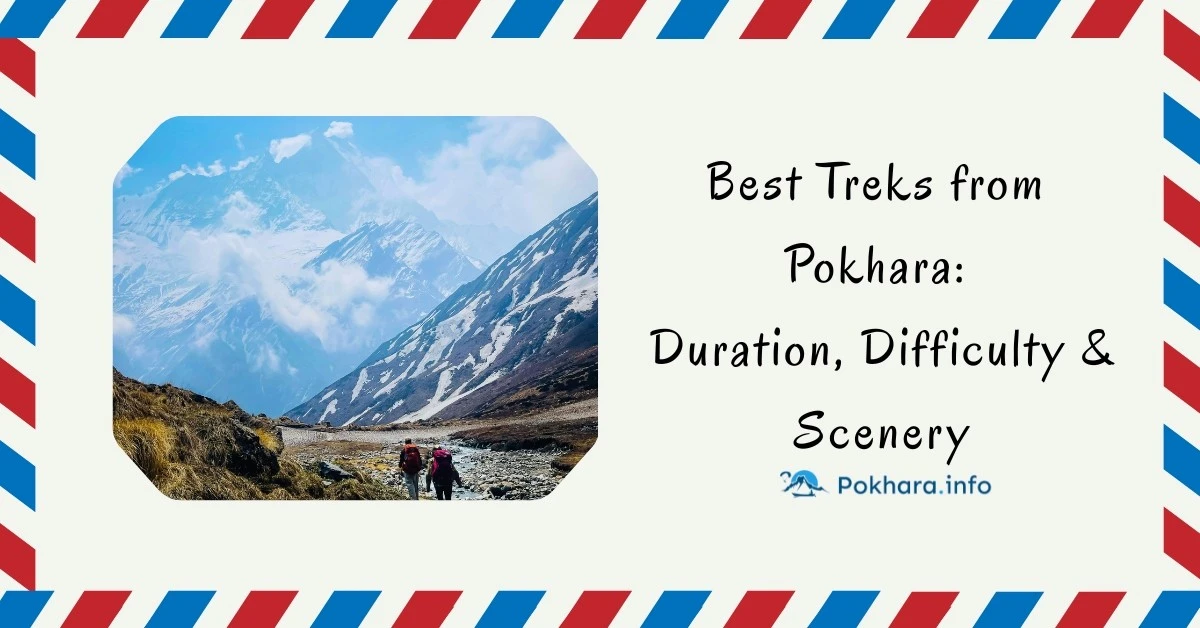
The trekking trail passes through forests, village paths, terraced fields, and rocky stair sections. Most of the route is well-maintained and easy to follow.
However, some sections may become slippery during rainy weather, so proper trekking shoes are strongly recommended for safety and comfort.
Daily Walking Hours
Trekkers generally walk between 2 to 5 hours per day depending on their itinerary and walking speed. The relatively shorter daily trekking hours make this route enjoyable rather than physically exhausting.
This moderate pace also allows travelers to spend more time enjoying mountain views, photography, and local interactions.
Accommodation Options During the Trek
Tea Houses
Tea houses are the most common accommodation option along the Pothana trekking route. These locally operated guesthouses provide simple rooms, warm meals, and a welcoming environment for trekkers.
Staying in tea houses also allows visitors to interact directly with local families and experience traditional hospitality in the Himalayan region.
Mountain Lodges
Several mountain lodges along the route provide slightly upgraded facilities compared to basic tea houses. Depending on the location, trekkers may find attached bathrooms, hot showers, charging facilities, and private rooms.
Although accommodations remain simple compared to city hotels, they provide comfortable overnight stays suitable for short trekking adventures.
What to Pack for Pokhara to Pothana Trek
Footwear and Clothing
Proper hiking shoes
Sandals or flip-flops
Warm socks
Lightweight trekking clothes
Warm jacket (winter season)
Hiking pants or shorts
T-shirts
Windcheater or rain jacket
Sun hat and sunglasses
Carrying comfortable and weather-appropriate clothing is important because mountain weather can change quickly, especially during evenings and early mornings.
Tools and Accessories
Torch or headlamp
Rain gear
Mosquito repellent
Trekking pole
Camera and chargers
Power bank
Extra Nepali currency for personal expenses
Electricity and charging facilities may not always be reliable in remote trekking areas, so carrying backup power sources can be useful.
Hygiene and Health Essentials
Toiletries
Water bottles
Snacks and dry foods
Basic medicines
Bandages and antiseptic cream
Trekkers should also carry personal medications and stay hydrated throughout the trek to maintain energy and comfort during daily walks.
Other Popular Treks in the Annapurna Region
The Annapurna region offers several short and long trekking routes suitable for different experience levels. Travelers visiting Pothana often combine their journey with nearby trekking destinations to extend their Himalayan experience.
Popular trekking routes in the region include:
Mardi Himal Trek
Ghorepani Poon Hill Trek
Annapurna Base Camp Trek
Kori Village Trek
Panchase Trek
Mohare Danda Trek
Dhampus Trek
Machhapuchhre Model Trek
Final Say
As we wrap up our guide on the Pokhara to Pothana trekking trail, it becomes clear that this journey offers much more than a simple mountain walk. The trek combines Himalayan scenery, peaceful villages, forest landscapes, and cultural experiences into a short yet rewarding adventure.
The route is suitable for travelers seeking a beginner-friendly Himalayan trek without committing to long and physically demanding expeditions. Its accessibility from Pokhara, affordable trekking experience, and panoramic mountain scenery continue to attract trekkers from around the world.
Whether you are a trekking enthusiast, photographer, or nature lover looking for tranquility, the Pokhara to Pothana Trek promises an unforgettable Himalayan escape through one of Nepal's most scenic regions.
Frequently Asked Questions (FAQs)
How long does it take to complete the Pokhara to Pothana Trek?
The trek usually takes around 2 to 3 days depending on the chosen route, walking pace, and overnight stops. Some trekkers also complete it as part of longer Mardi Himal or Annapurna trekking itineraries.
What is the best time of year to visit Pothana Village?
Spring (March to May) and autumn (September to November) are considered the best seasons because of clear mountain views, stable weather, and comfortable trekking temperatures.
Are permits required for the Pokhara to Pothana Trek?
Yes. Foreign trekkers generally require TIMS and ACAP permits before entering the Annapurna Conservation Area.
Is the trek suitable for beginners?
Yes, the trek is beginner-friendly and suitable for travelers with average fitness levels. The relatively low altitude and moderate walking hours make it a comfortable introduction to trekking in Nepal.
Are there cultural experiences during the trek?
The trail passes through traditional Gurung villages where trekkers can interact with local communities, experience village lifestyles, and enjoy regional hospitality and food culture.
Can I hire a guide or porter?
Yes. Guides and porters are available in Pokhara and can help make the trekking experience safer, easier, and more informative, especially for first-time visitors.
What kind of accommodation is available?
Tea houses and guesthouses are available throughout the route. Most accommodations provide basic rooms, meals, blankets, and common dining areas suitable for trekkers.