Trek Name: Dhampus Village Trek
Region: Annapurna Conservation Area
Starting Point: Pokhara
Ending Point: Pokhara
Duration: 1 to 2 Days
Trek Distance: Approximately 10 to 15 km (depending on route)
Maximum Elevation: Around 1,650 m
Difficulty: Easy
Accommodation: Tea Houses, Lodges, Homestays, Hotels
Best Seasons: Spring and Autumn
Permits: Annapurna Conservation Area Permit (ACAP); check current regulations regarding TIMS
Transportation: Private Vehicle, Taxi, Local Bus
Guide: Optional for experienced hikers, recommended for first-time visitors
Introduction to Dhampus Village Trek
Not every Himalayan adventure requires a week of trekking or climbing to high altitudes. Sometimes, a short walk through traditional villages and forested hills is enough to experience Nepal's breathtaking mountain scenery.
The Dhampus Village Trek is one of the country's most accessible and rewarding short treks. Located only a short drive from Pokhara, it offers spectacular views of the Annapurna range, authentic Gurung culture, peaceful rural landscapes, and comfortable accommodation, all without the physical demands of high-altitude trekking.
For travelers with limited time, families with children, beginner trekkers, photographers, or anyone wanting a gentle introduction to trekking in Nepal, Dhampus represents an ideal destination.
Despite its popularity, the trek never feels overwhelmingly difficult. Well-maintained trails, welcoming local communities, and constant Himalayan views make it one of the finest short trekking experiences in the Annapurna region.
Whether you choose a day hike or an overnight stay, the journey to Dhampus demonstrates why Nepal remains one of the world's greatest trekking destinations.
Where Is Dhampus Village?
Dhampus is a traditional Gurung village situated in Nepal's Kaski District within the Annapurna Conservation Area. The village lies on a ridge approximately 1,650 meters above sea level, overlooking the Pokhara Valley to the south and the Annapurna Himalaya to the north.
Its location makes it one of the closest Himalayan trekking destinations to Pokhara. The village can be reached after a short drive to either Phedi or Kande, followed by several hours of walking through forests, terraced farmland, and rural settlements.
Because of its accessibility, Dhampus serves as an excellent starting point for longer treks toward:
Australian Camp
Landruk
Ghandruk
Mardi Himal
Many trekkers also combine Dhampus with Australian Camp as part of a two-day circuit.
Why Is Dhampus Village So Popular?
Among the dozens of trekking routes surrounding Pokhara, Dhampus continues to attract both domestic and international visitors for several reasons.
First, the trek offers exceptional value for time. Within only a few hours of leaving Pokhara, trekkers find themselves surrounded by mountain scenery that rivals much longer expeditions.
Second, the route remains suitable for almost everyone. Children, elderly travelers, families, photographers, and first-time hikers can comfortably complete the trek without requiring technical skills or extensive preparation.
Another important reason is accessibility. Unlike remote Himalayan treks that require flights or several days of travel, Dhampus can easily be visited as a weekend trip or even as a long day hike.
The village itself also plays an important role in its popularity. Traditional Gurung homes, stone-paved pathways, terraced fields, and friendly local hospitality provide visitors with an authentic glimpse into rural mountain life.
The History and Culture of Dhampus
Dhampus is predominantly inhabited by the Gurung community, one of Nepal's most culturally rich ethnic groups.
For centuries, Gurung families have lived along the southern slopes of the Annapurna range, relying on agriculture, animal husbandry, and trade. Their traditions remain closely connected to the surrounding mountains and natural environment.
Many Gurung men have historically served in the renowned Gurkha regiments, creating a proud military heritage recognized around the world.
Walking through Dhampus, visitors can observe:
Traditional stone houses
Slate roofs
Agricultural terraces
Local temples
Prayer flags
Community gathering spaces
Daily village life still revolves around farming, livestock, family traditions, and seasonal festivals.
Unlike highly commercialized destinations, Dhampus continues to balance tourism with its traditional identity, making cultural interaction one of the highlights of the trek.
Geography of the Dhampus Region
Dhampus occupies a remarkable geographical position along the southern foothills of the Annapurna range. The ridge separates the lush Pokhara Valley from the rapidly rising Himalayan mountains.
As trekkers ascend from Phedi or Kande, they pass through several ecological zones.
Lower elevations feature subtropical forests, cultivated farmland, and scattered villages. Higher sections transition into temperate forests dominated by oak, rhododendron, and pine trees.
This gradual change in vegetation creates an interesting ecological journey despite the relatively short trekking distance.
Because the village sits on an exposed ridge, panoramic mountain views remain visible throughout much of the trek.
Detailed Two-Day Itinerary
Day 1: Pokhara to Phedi to Dhampus
After breakfast in Pokhara, drive to Phedi and begin the gradual climb toward Dhampus.
The trail passes through terraced farmland, traditional villages, forests, and stone staircases. Along the way, the scenery changes dramatically as subtropical vegetation gradually gives way to open mountain ridges.
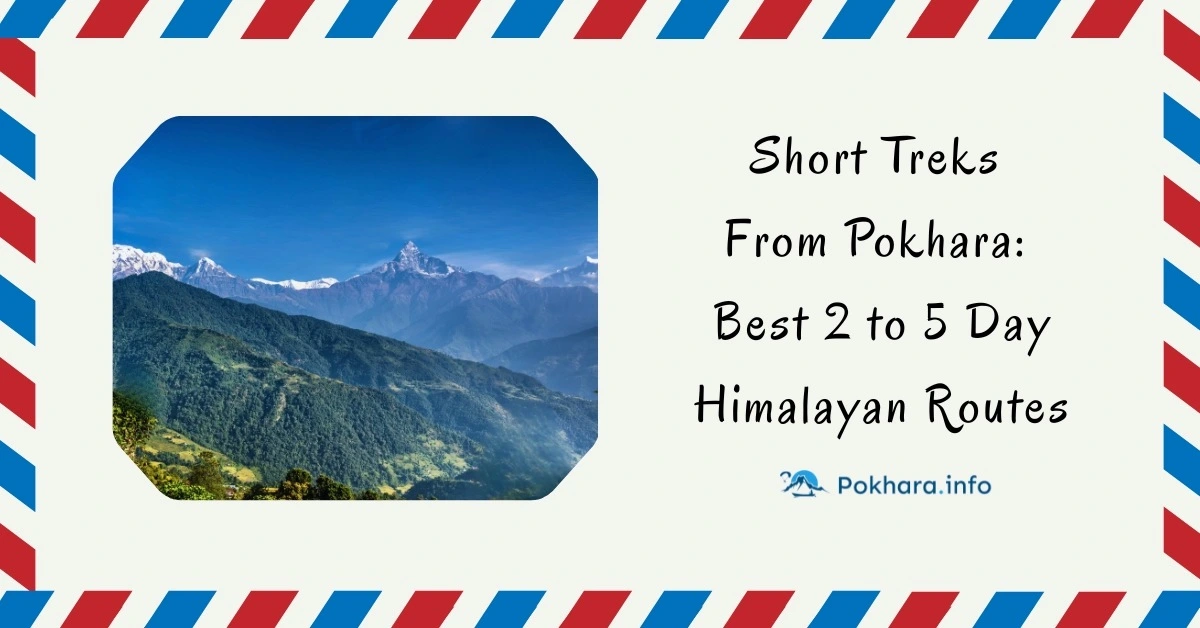
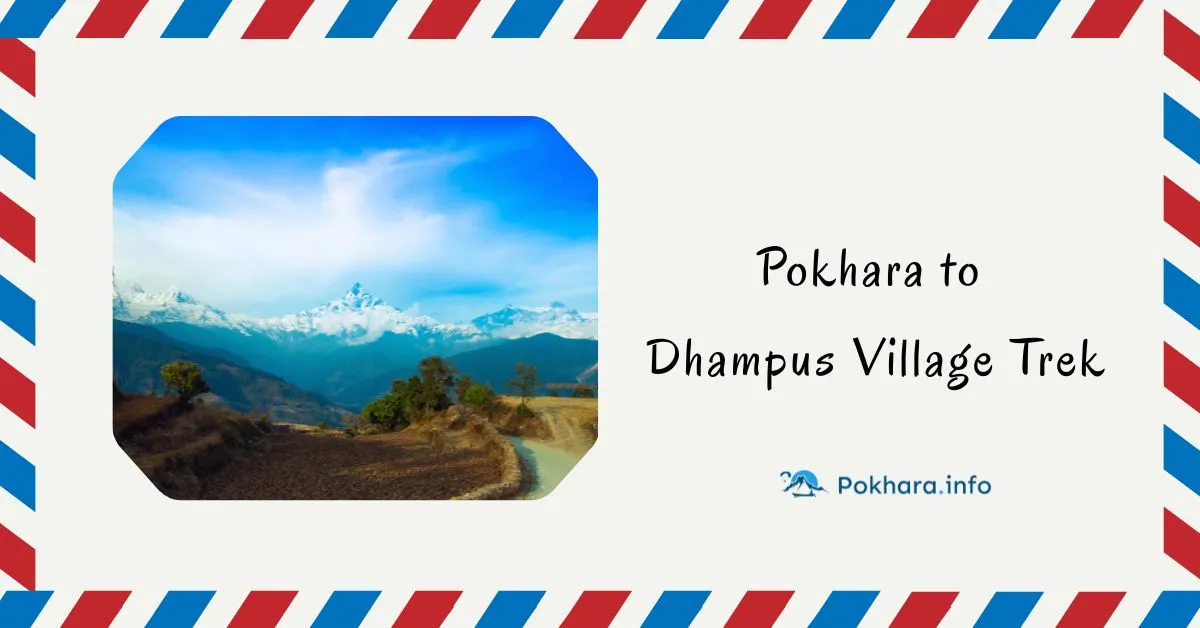
Upon reaching Dhampus, visitors are rewarded with panoramic views of Machhapuchhre, Annapurna South, Hiunchuli, and Lamjung Himal.
Spend the afternoon exploring the village, interacting with local residents, and enjoying sunset over the Himalayas.
Walking time: 3 to 4 hours
Overnight: Dhampus
Day 2: Dhampus to Phedi (or Kande) to Pokhara
Wake early to witness one of Nepal's finest mountain sunrises. As the first sunlight reaches the Annapurna range, the surrounding peaks glow in brilliant shades of gold and orange.
After breakfast, begin the descent toward either Phedi or Kande depending on your chosen route. The return journey provides fresh perspectives of the forests, villages, and Pokhara Valley below.
Drive back to Pokhara by afternoon.
Walking time: 2.5 to 4 hours
One-Day vs Two-Day Trek
One of Dhampus' greatest advantages is its flexibility.
One-Day Trek
Travelers with limited time can comfortably complete the trek within a single day.
A typical itinerary includes:
Morning drive to Phedi or Kande
Trek to Dhampus
Lunch overlooking the Annapurna range
Return trek to the roadhead
Evening drive back to Pokhara
This option suits visitors who want a short Himalayan experience without overnight accommodation.
Two-Day Trek
The overnight trek provides a far richer experience. Spending the night in Dhampus allows visitors to witness both sunset and sunrise over the Annapurna Himalayas.
The village atmosphere also changes significantly after day visitors leave, creating a peaceful environment where guests can enjoy local hospitality and traditional mountain life.
For photographers and nature lovers, the two-day option is highly recommended.
How to Reach Dhampus from Pokhara
Reaching Dhampus is straightforward, making it one of Nepal's easiest Himalayan trekking destinations.
There are two primary starting points for the trek.
Route 1: Pokhara to Phedi to Dhampus
The most traditional route begins with a drive of approximately 30 to 40 minutes from Pokhara to Phedi, located along the Pokhara to Baglung Highway.
From Phedi, the trail ascends through terraced farmland and stone staircases before entering forested sections. Most trekkers reach Dhampus in about three hours.
This route is steeper but shorter.
Route 2: Pokhara to Kande to Australian Camp to Dhampus
Many trekkers prefer starting from Kande, around 45 minutes from Pokhara. The trail climbs gently to Australian Camp, one of the region's most famous viewpoints, before descending gradually to Dhampus.
Although slightly longer, this route offers broader mountain panoramas and is generally considered easier because of its gradual gradient.
Many visitors complete a loop by ascending from Phedi and returning via Kande, or vice versa.
Phedi Route vs Kande Route
Visitors often ask which route is better.
Phedi to Dhampus
The Phedi route is the classic approach. It involves a steeper climb through stone staircases and forest trails before reaching the village.
This option is shorter but more physically demanding.
Kande to Australian Camp to Dhampus
The Kande route is generally more gradual.
Trekkers first reach Australian Camp before descending gently toward Dhampus. This route offers broader mountain panoramas and is often considered the more scenic option.
Both routes provide excellent trekking experiences, and many visitors combine them into a circular trek by ascending one route and descending the other.
Dhampus Village Trek Highlights
Mountain Views from Dhampus
The spectacular Himalayan panorama is undoubtedly the main reason many travelers visit Dhampus. Unlike some trekking routes where mountains appear only occasionally, Dhampus provides nearly continuous views once the ridge is reached.
The most prominent peaks include:
Machhapuchhre (Fishtail)
Annapurna South
Hiunchuli
Annapurna II
Lamjung Himal
During exceptionally clear weather, distant views toward Manaslu and parts of the Dhaulagiri range may also be visible from certain viewpoints.
Sunrise transforms the snow-covered peaks into brilliant shades of orange, gold, and pink, while sunset creates equally dramatic lighting across the Annapurna range.
Many visitors choose to spend the night in Dhampus specifically to witness these unforgettable mountain sunrises.
Sunrise and Sunset in Dhampus
One of Dhampus' greatest attractions is its spectacular sunrise experience.
Before dawn, trekkers often walk to nearby viewpoints overlooking the Annapurna range. As daylight gradually reaches the mountains, Machhapuchhre is usually the first peak illuminated by the rising sun.
Within minutes, Annapurna South and Hiunchuli begin glowing in golden light while the valleys below remain covered in morning mist.
Sunset provides an entirely different atmosphere. The Pokhara Valley slowly lights up while the mountains change color throughout the evening, creating excellent opportunities for landscape photography.
Unlike higher-altitude trekking destinations where weather changes rapidly, Dhampus often enjoys relatively stable conditions that make both sunrise and sunset photography highly rewarding.
Flora Along the Trek
Although short, the Dhampus Trek passes through surprisingly diverse vegetation.
Spring is particularly beautiful.
Between March and May, forests become filled with blooming rhododendrons, Nepal's national flower. Oak forests dominate much of the lower trail, while bamboo, pine, and numerous wildflowers add further diversity.
Terraced farmland surrounds the villages, where local farmers cultivate rice, maize, millet, vegetables, and seasonal crops depending on the time of year.
Autumn offers a different type of beauty, with clear skies providing exceptional visibility across the surrounding hills and mountains.
Wildlife in the Annapurna Conservation Area
Because Dhampus lies within the Annapurna Conservation Area, the surrounding forests support a variety of wildlife.
Although larger mammals usually remain hidden, observant trekkers may encounter:
Himalayan Monal (Danphe), Nepal's national bird
Kalij pheasant
Himalayan langur
Barking deer
Various butterfly species
Himalayan griffon vultures
Eagles and other birds of prey
Birdwatchers often find the Dhampus region particularly rewarding because of its rich avian diversity and relatively undisturbed forest habitats.
Planning Your Dhampus Trek
Best Time to Visit Dhampus Village
Dhampus can be visited throughout much of the year, although each season offers a different experience.
Spring (March to May)
Spring is widely regarded as one of the finest seasons for the trek.
Pleasant daytime temperatures, blooming rhododendrons, and generally clear skies create ideal trekking conditions. The forests become colorful with flowering plants, while mountain views remain excellent.
Autumn (September to November)
Autumn is the most popular trekking season throughout Nepal.
After the monsoon rains, dust and humidity disappear, producing exceptionally clear Himalayan views. Stable weather also makes this season particularly suitable for photography.
Major Nepali festivals such as Dashain and Tihar add cultural richness to village life during this period.
Winter (December to February)
Winter mornings are cold but often provide crystal-clear mountain views.
Snow rarely accumulates in Dhampus itself, although nearby higher elevations may receive snowfall. Trekkers should prepare for chilly evenings and early mornings.
Monsoon (June to August)
Heavy rainfall makes trails muddy and slippery. Mountain views are frequently obscured by clouds.
However, the surrounding forests become incredibly lush, waterfalls flow at full strength, and visitor numbers decrease significantly.
Permit Requirements for the Dhampus Village Trek
One of the reasons the Dhampus Village Trek is so popular is its accessibility. However, permit requirements are often misunderstood, and many older travel guides contain outdated information.
Dhampus lies within the Annapurna Conservation Area (ACA). As a result, international visitors trekking in this region generally require an Annapurna Conservation Area Permit (ACAP).
Nepal's trekking regulations have evolved over time, particularly regarding the Trekkers' Information Management System (TIMS) and mandatory guide requirements. Before beginning your trek, it is advisable to confirm the latest regulations through the Nepal Tourism Board or a registered trekking agency.
Permit checkpoints are located along several Annapurna trekking routes, so trekkers should carry their permits and passports throughout the journey.
Many trekking companies arrange all permit formalities before departure, making the process convenient for visitors.
Accommodation, Food, and Connectivity
Accommodation in Dhampus
Despite being a small mountain village, Dhampus offers accommodation suitable for various budgets.
Tea Houses
Tea houses remain the most popular choice among trekkers. Rooms are simple yet comfortable, typically featuring twin beds, blankets, shared bathrooms, and communal dining areas.
The atmosphere encourages conversations among travelers from around the world.
Lodges
Several lodges provide more comfortable private rooms with attached bathrooms and improved facilities. These accommodations are suitable for families and visitors seeking additional comfort.
Homestays
Homestays provide perhaps the most authentic experience. Guests stay with local Gurung families, enjoy home-cooked meals, and gain insight into everyday village life.
Many visitors consider these cultural interactions among the most memorable parts of the journey.
Boutique Hotels and Resorts
In recent years, several boutique accommodations have opened around Dhampus, combining modern comfort with outstanding mountain views. These properties appeal to travelers seeking a quieter retreat close to nature.
Food Available During the Trek
Although Dhampus is only a short distance from Pokhara, its restaurants and tea houses offer an impressive variety of meals.
Traditional Nepali cuisine remains the highlight.
The famous Dal Bhat, rice, lentil soup, vegetables, and pickles, is the most common meal served and provides excellent nutrition for trekking.
Other frequently available dishes include: Tibetan bread, Chapati, Pancakes, Toast, Eggs, Fried rice, Vegetable curry, Chowmein, Thukpa, Pasta, Momo, Soups, Tea, Coffee, Hot lemon, Ginger tea
Many ingredients are sourced locally, giving meals a fresh and authentic flavor.
Drinking Water
Safe drinking water is available throughout the trek.
Rather than purchasing multiple plastic bottles, trekkers are encouraged to carry reusable bottles and refill them with:
Boiled water
Filtered water
Purified water
Using purification tablets or portable filters is another environmentally responsible option.
Staying well hydrated remains important even on relatively short hikes.
Mobile Network, Internet, and Electricity
Dhampus enjoys better connectivity than many Himalayan villages because of its proximity to Pokhara. Both Nepal Telecom (NTC) and Ncell provide mobile coverage in much of the village.
Many lodges also offer Wi-Fi, although speeds vary depending on weather and network conditions.
Electricity is widely available, and most accommodations provide charging facilities. Some may charge a small fee for electronic devices.
Dhampus Village Trek Preparation and Difficulty
Cost of the Dhampus Trek
The Dhampus Trek is among the most affordable Himalayan adventures. Costs vary depending on accommodation standards, transportation, and whether a guide is hired.
Typical expenses include:
Transportation from Pokhara
Accommodation
Meals
Permits (where applicable)
Personal expenses
Budget travelers can complete the trek relatively inexpensively using local buses and tea houses, while private guided trips with upgraded accommodation naturally cost more.
What to Pack
Although this is a short trek, proper preparation ensures greater comfort.
Clothing
Moisture-wicking T-shirts
Trekking trousers
Warm fleece
Down jacket (winter)
Waterproof jacket
Hat
Gloves
Extra socks
Footwear
Comfortable trekking shoes or hiking boots
Sandals for evening use
Equipment
Small backpack
Rain cover
Trekking poles
Water bottle
Headlamp
Power bank
Personal Items
Sunscreen
Sunglasses
Lip balm
Camera
Toiletries
Basic first-aid kit
Personal medications
Photography Guide
Dhampus is one of the finest short photography destinations in Nepal.
Excellent photography opportunities include:
Sunrise over Machhapuchhre
Sunset behind Annapurna South
Terraced rice fields
Traditional Gurung architecture
Forest trails
Mountain ridges
Village life
Morning mist over Pokhara Valley
Spring provides colorful rhododendron blooms, while autumn offers the clearest mountain visibility.
Responsible Trekking
The Annapurna Conservation Area protects one of Nepal's richest ecological regions.
Visitors should help preserve it by:
Carrying reusable water bottles
Avoiding single-use plastics
Respecting local customs
Staying on designated trails
Supporting locally owned businesses
Minimizing noise
Taking all waste back to Pokhara where possible
Responsible tourism helps ensure that future generations can continue enjoying the natural and cultural heritage of Dhampus.
Trek Difficulty
The Dhampus Trek is classified as easy. Unlike high-altitude expeditions, the route remains below 2,000 meters and requires no technical climbing skills.
The primary challenge involves ascending stone staircases from Phedi. Most healthy individuals can comfortably complete the trek with moderate fitness.
It is especially suitable for:
First-time trekkers
Families
Children
Senior travelers
School groups
Photographers
Because of its gentle nature, many trekking companies also recommend Dhampus as a warm-up trek before attempting longer Himalayan expeditions.
Dhampus Village Trek Comparisons
Dhampus vs Australian Camp
The Dhampus & Australian base camp trek is often combined but offers different experiences.
Dhampus
Advantages:
Larger traditional village
Rich Gurung culture
More accommodation choices
Better opportunities for cultural interaction
Excellent sunrise and sunset
Australian Camp
Advantages:
Higher elevation
More open panoramic viewpoint
Excellent mountain photography
Popular overnight destination
Many trekkers visit both during the same journey.
Dhampus vs Sarangkot
Another common comparison is between Dhampus and Sarangkot.
Sarangkot
Famous sunrise viewpoint
Easily accessible by road
Popular paragliding destination
Larger number of tourists
Dhampus
More authentic trekking experience
Traditional mountain village
Better cultural immersion
Quieter atmosphere
Longer walking trails
Travelers seeking a genuine village trekking experience generally prefer Dhampus.
Final Thoughts
The Dhampus Village Trek proves that unforgettable Himalayan experiences do not always require long expeditions or high-altitude challenges. Within just a few hours of leaving Pokhara, trekkers can walk through terraced farmland, peaceful forests, and traditional Gurung villages before reaching panoramic viewpoints overlooking some of Nepal's most iconic mountains.
Its combination of accessibility, cultural richness, and outstanding scenery makes Dhampus an ideal introduction to trekking in Nepal. Whether you are traveling with family, taking your first hike in the Himalayas, or looking for a relaxing overnight escape from Pokhara, the trek offers an experience that is both rewarding and achievable.
Beyond the mountain views, Dhampus leaves visitors with a deeper appreciation of rural Himalayan life. The warmth of the local community, the slower pace of village living, and the ever-changing landscapes create memories that often inspire travelers to return and explore more of the Annapurna region.
For anyone seeking a short yet meaningful Himalayan adventure, the Pokhara to Dhampus Village Trek remains one of Nepal's finest and most enduring classics.
Frequently Asked Questions
Is Dhampus suitable for beginners?
Yes. It is widely considered one of Nepal's best beginner-friendly treks due to its short duration, moderate elevation, and well-maintained trails.
How long is the trek?
Most visitors complete the trek in one or two days.
Can children do the Dhampus Trek?
Yes. The trail is suitable for families with children who are comfortable walking for several hours.
Do I need a guide?
Experienced hikers can complete the trek independently if regulations permit. However, guides enhance the experience by sharing information about local culture, history, and the Annapurna region.
Is altitude sickness a concern?
No. At approximately 1,650 meters, altitude sickness is extremely unlikely.
Can I combine Dhampus with other treks?
Yes. Dhampus is commonly combined with Australian Camp, Landruk, Ghandruk, Mardi Himal, and Annapurna Base Camp.
Is Wi-Fi available?
Many lodges provide Wi-Fi, although speeds may vary.
What mountains can I see?
On clear days, trekkers commonly enjoy views of Machhapuchhre (Fishtail), Annapurna South, Hiunchuli, Annapurna II, and Lamjung Himal. Under exceptionally clear conditions, distant views toward Manaslu and parts of the Dhaulagiri range may also be visible.